

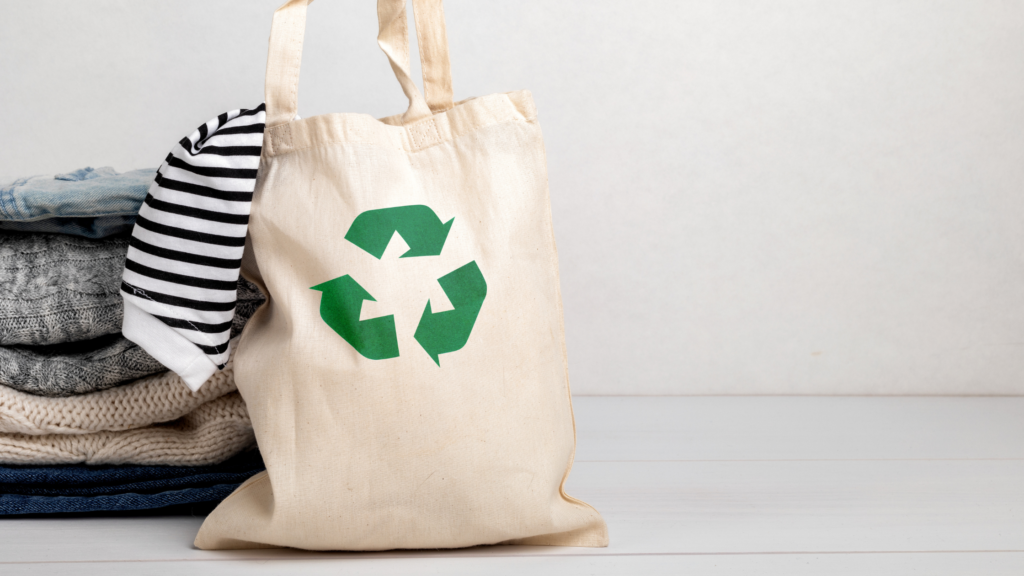
It’s close to an ironclad law of economics: as the cost of living rises, consumers will seek cheaper alternatives for the goods and services they buy. Given that inflation has been incredibly high over the last year or so, and interest rates have been pushed up to match, it’s no surprise that we’ve seen a general boom in second-hand shopping.
Since it’s younger people who have the least amount of money to throw around. Therefore it should come as no surprise that the trend has been particularly pronounced in Generation Z. Research carried out in 2022 suggests that this demographic is the most prone to second-hand shopping.
But it’s not just thriftiness that’s driving this trend. There are also environmental factors to consider. When we manufacture something from scratch, we create emissions that would otherwise have been avoided. What’s more, there might be environmental and social damage inflicted by creating certain products that don’t have anything to do with greenhouse gas emissions.
Second-hand shopping is therefore often the environmentally-friendly choice, as well as the frugal one.

The Second Hand Luxury Market
The second-hand luxury market, including watches and jewellery, has grown significantly, with Suttons and Robertsons leading the way. Their expertise in sourcing high-quality pre-owned pieces allows collectors to own coveted items at a fraction of the cost while supporting sustainability and craftsmanship. Individuals can also sell jewellery and watches to Suttons and Robertsons, offering a trusted platform for both buying and selling. As demand for value and rarity increases, they provide a reliable way to invest in timeless treasures.
How are big brands embracing resale culture?
It might be tempting to assume that big brands would be against this shift. After all, the more we buy second-hand, the less we’re buying new.
But many of the biggest names are listening to consumers and participating in the used market. Largely, this is being done for reasons of public image. Big brands know that Generation Z represents the future of their customer base. As such, they want to project the values of those younger customers back to them.
Moreover, the fear of second-hand sales ‘cannibalising’ primary ones is thought of as overblown. Premium quality products, like wristwatches and high-end jewellery, are already limited in their supply. And the rise of second-hand is unlikely to tip the scale severely.
What about second-hand apps?
The explosion in second-hand digital sales, brought about by the Covid-19 pandemic, represents an irresistible opportunity for the brands of today to help shape the market of the future.
eBay, Facebook, Gumtree, and Vinted have, in recent years, exploded in popularity. The dedicated app makes it much easier for customers to buy, and to sell, their property. It’s younger people, again, who disproportionately favour these channels.
This is a highly competitive space, with emerging disruptors taking on established giants and often coming away successfully. In many cases, this is done by focusing on a particular expanding niche and forming an association with that niche.
Vinted, for example, has made itself synonymous with vintage fashion and accessories – and thus, it’s become the go-to space for those sorts of items. For particular niche items, smaller and more specialised online vendors and applications might be worth looking into.
Conclusion
In conclusion, the boom in the second-hand market is a multifaceted phenomenon. A mix of economic necessity, environmental consciousness, and a shift in consumer values towards individuality and sustainability drives it. With technology making it easier than ever to buy and sell used goods and with consumers increasingly prioritising value and sustainability, the second-hand market is likely to continue its upward trajectory. As we move forward, it’s clear that the second-hand market isn’t just a passing fad but a significant shift in our consumer culture. The future of retail might lie in the past as we all learn to embrace the benefits of ‘pre-loved’ items.