Welcome to the ultimate guide on reducing inflammation naturally! Inflammation is the body’s natural response to injury or infection, but chronic inflammation can be both painful and harmful to your overall health. In this comprehensive guide, we will explore 10 effective strategies to help you alleviate inflammation and promote a healthier, happier life. From incorporating anti-inflammatory foods into your diet to adopting stress management techniques, this guide covers everything you need to know about tackling inflammation naturally.
We will delve into the science behind inflammation, exploring how certain lifestyle changes and habits can play a significant role in reducing inflammation levels. Whether you suffer from chronic inflammation or are simply looking to maintain optimal health, this guide is for you. It offers practical tips, evidence-based research, and expert advice to empower you in your journey toward better well-being. So, if you’re ready to take control of your health and discover how to reduce inflammation naturally, let’s dive in and explore these powerful strategies. Get ready to reclaim your vitality and live your life to the fullest!
Disclaimer: This post is in partnership with Responsival
The importance of reducing inflammation naturally
Inflammation is a natural process that occurs when the body’s immune system responds to an injury or infection. It is a vital part of the healing process, as it helps to remove damaged cells and fight off harmful pathogens. However, when inflammation becomes chronic, it can have serious implications for your health.
Chronic inflammation has been linked to a wide range of health conditions, including heart disease, diabetes, arthritis, and even certain types of cancer. It can also lead to symptoms such as pain, swelling, fatigue, and a weakened immune system.
To effectively reduce inflammation, it is important to understand the underlying causes and triggers. Inflammation can be caused by a variety of factors, including poor diet, lack of exercise, chronic stress, and exposure to environmental toxins. By identifying and addressing these factors, you can take steps to reduce inflammation naturally and improve your overall health.
Diet and nutrition for reducing inflammation
Reducing inflammation naturally is crucial for maintaining optimal health and well-being. While there are medications available to manage inflammation, they often come with unwanted side effects and may only provide temporary relief. Focusing on natural strategies to reduce inflammation can address the root causes and promote long-term healing.
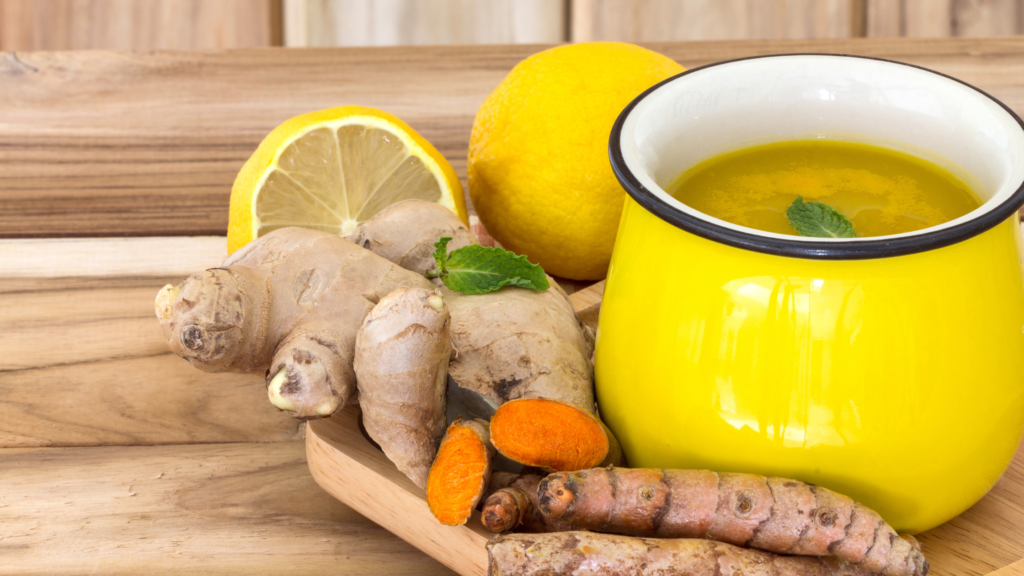
Natural approaches to inflammation reduction help alleviate symptoms and support the body’s overall health and vitality. They can help to improve your immune system function, reduce the risk of chronic diseases, and enhance your overall quality of life.
By adopting natural strategies to reduce inflammation, you can take control of your health and empower yourself to make positive, lasting changes. So let’s explore some of the most effective strategies for reducing inflammation naturally.
1. Incorporating anti-inflammatory foods into your diet
One of the most powerful ways to reduce inflammation naturally is through your diet. The foods you eat can either promote inflammation or help to alleviate it. By incorporating anti-inflammatory foods into your diet, you can reduce inflammation levels and support your body’s healing process.
A diet rich in fruits, vegetables, whole grains, and healthy fats can provide your body with the nutrients it needs to fight inflammation. These foods are packed with antioxidants, vitamins, and minerals that help to reduce oxidative stress and support a healthy immune system.
On the other hand, processed foods, sugary beverages, and foods high in saturated fats can promote inflammation and contribute to chronic disease. By minimising your intake of these inflammatory foods, you can significantly reduce inflammation levels and improve your overall health.
Incorporating anti-inflammatory foods into your diet is simple and delicious. Some of the best anti-inflammatory foods include fatty fish like salmon and sardines, leafy greens like spinach and kale, berries, nuts and seeds, and olive oil. By including these foods in your meals and snacks, you can naturally nourish your body and reduce inflammation.
2. Harnessing Natural Ingredients: The Power of Menthol Cream for Inflammation
In our quest to manage inflammation and its accompanying discomfort, we are often led to explore a variety of remedies. One such solution that has stood the test of time is menthol cream. And not just any menthol cream, but those formulated with natural ingredients, like Dr. Hoy’s Menthol Cream for Inflammation.
The Magic of Menthol
Menthol, derived from mint plants, is known for its cooling sensation when applied to the skin. This sensation results from menthol’s ability to bind to temperature-sensitive receptors in our skin, leading to a feeling of coolness without actually changing the skin’s temperature. This action can help distract the nervous system from pain signals, providing temporary relief from discomfort associated with inflammation. This is why menthol cream for inflammation is so effective.
Why Choose Natural Ingredients?
Opting for a menthol cream made with natural ingredients, like Dr. Hoy’s, offers several benefits. Natural ingredients are often gentler on the skin, making them suitable for individuals with sensitive skin or those prone to allergies caused by synthetic substances. Additionally, many natural ingredients contain properties that complement the action of menthol, creating a synergistic effect for inflammation relief.
Dr. Hoy’s Menthol Cream: A Natural Solution
Dr. Hoy’s Menthol Cream for Inflammation is a fantastic example of a product that harnesses the power of natural ingredients. Alongside menthol, it includes Arnica, a plant-based ingredient renowned for its anti-inflammatory properties, and Witch Hazel, a natural astringent that reduces skin irritation. Moreover, this cream is free of parabens and artificial fragrances, further emphasising its commitment to natural, skin-friendly ingredients.
To use, simply apply the cream to the affected area up to four times daily. As the natural ingredients work together, you’ll experience a cooling sensation that helps to numb the pain, reduce swelling, and promote healing
Turning to nature for relief from inflammation can be a wise decision. You’re not only benefitting from the proven effects of menthol but also reaping the advantages of other carefully selected natural ingredients. It’s a combination that delivers relief and promotes well-being, naturally.
3. The role of exercise in reducing inflammation
Regular exercise is not only important for maintaining a healthy weight and cardiovascular health, but exercise also plays a crucial role in reducing inflammation. Engaging in physical activity helps to stimulate the production of anti-inflammatory cytokines, which can help to reduce inflammation levels in the body.
Exercise can also help to improve insulin sensitivity, reduce oxidative stress, and promote a healthy gut microbiome. All of which can contribute to reduced inflammation. Whether it’s going for a brisk walk, practicing yoga, or hitting the gym, finding a form of exercise that you enjoy and can stick to is key.

It is important to note that while exercise can be beneficial for reducing inflammation, it’s essential to listen to your body and avoid overexertion. Engaging in moderate-intensity exercise for at least 30 minutes a day, five days a week, is generally recommended for optimal health and inflammation reduction.
4. Managing stress and its impact on inflammation
Chronic stress is a significant contributor to inflammation and can have an impact on your overall health. When you’re stressed, your body releases stress hormones such as cortisol, which can trigger inflammation and weaken your immune system.
Finding effective stress management techniques is crucial for reducing inflammation naturally. There are various strategies you can try, including mindfulness meditation, deep breathing exercises, yoga, and engaging in activities that bring you joy and relaxation.
Making self-care a priority is also essential for managing stress and reducing inflammation. Taking time for yourself, practicing gratitude, getting enough sleep, and nurturing positive relationships can all help to reduce stress levels and promote a sense of well-being.
5. The benefits of getting enough sleep for inflammation reduction
Getting enough quality sleep is often overlooked but is essential for reducing inflammation and supporting overall health. Sleep deprivation can trigger an inflammatory response in the body and disrupt the balance of immune system function.
During sleep, your body goes into repair and regeneration mode, allowing it to heal and restore itself. Lack of sleep can impair this process, leading to increased inflammation and a higher risk of chronic conditions.
To promote better sleep and reduce inflammation, establish a consistent sleep routine, create a relaxing sleep environment, and practice good sleep hygiene. Avoiding caffeine and electronic devices before bed, keeping a regular sleep schedule, and practicing relaxation techniques can all help to improve your sleep quality and reduce inflammation naturally.
6. Natural supplements and herbs that can help reduce inflammation
In addition to lifestyle changes, certain natural supplements and herbs can provide additional support for reducing inflammation. These supplements and herbs contain compounds that have been shown to have anti-inflammatory properties and can help to alleviate symptoms.
Some of the most commonly used natural supplements for inflammation reduction include omega-3 fatty acids, turmeric, ginger, and green tea extract. Biodynamix Joint Genesis is another option specifically designed to support joint health by addressing inflammation and promoting joint comfort. These supplements can be taken in capsule or liquid form and should be used under the guidance of a healthcare professional.
For those looking for personalised formulation or alternative delivery methods, a specialist service can be beneficial. Professionals from an iowa compounding pharmacy, or similar pharmacies elsewhere, can create customized medications or solutions to meet individual health needs, which can be an excellent way to take care of the specific inflammatory conditions.
It’s important to note that while natural supplements can be beneficial, they should not be used as a substitute for a healthy lifestyle. They are intended to complement a balanced diet and regular exercise routine and should be used in conjunction with other natural
strategies for reducing inflammation. It’s important to consult with a healthcare professional before starting any new supplement.
7. Lifestyle changes to support inflammation reduction
In addition to diet, exercise, sleep, and stress management, there are several other lifestyle changes you can make to support inflammation reduction. These changes may seem small but can have a significant impact on your overall health and well-being.
Reducing exposure to environmental toxins, such as air pollution and chemicals found in household products, can help to minimise inflammation. Opting for natural cleaning and personal care products, using air purifiers, and avoiding smoking and secondhand smoke are all steps you can take to reduce your toxic burden.
Prioritising hydration is also crucial for reducing inflammation. Drinking plenty of water throughout the day helps to flush out toxins, support digestion, and maintain optimal cellular function. Aim for at least eight glasses of water per-day and adjust your intake based on your activity level and climate.
Finally, incorporating relaxation techniques into your daily routine can help to reduce inflammation and promote overall well-being. Practices such as deep breathing exercises, guided imagery, and aromatherapy can help to activate the body’s relaxation response and counteract the effects of stress.
Conclusion: Taking a holistic approach to reducing inflammation naturally
Reducing inflammation naturally is not a one-size-fits-all approach. It requires a holistic approach that includes a healthy diet, regular exercise, stress management, quality sleep, natural supplements, and other lifestyle changes. By incorporating these strategies into your daily life, you can significantly reduce inflammation levels and improve your overall health and well-being.
Remember, reducing inflammation is a journey. It takes time and commitment. Start by making small, sustainable changes and gradually build upon them. Stay consistent, listen to your body, and seek support from healthcare professionals or experts in the field when needed.
With dedication and perseverance, you can reclaim your vitality, reduce inflammation naturally, and live your life to the fullest. So take the first step today and embark on your journey toward better health and well-being. You deserve it!
Now that you have all the tools and knowledge to reduce inflammation naturally, it’s time to put them into practice. Start by incorporating anti-inflammatory foods into your diet, finding a form of exercise you enjoy, and exploring stress management techniques that work for you. Remember, every small change counts, and each step brings you closer to a healthier, inflammation-free life. Good luck!