First Aid Course
Most parents in Leeds reach a moment in the first five years of family life when first aid knowledge feels less optional than it did before kids. A toddler that bumps a head on the kitchen tile, a six-year-old that chokes on a grape, a sibling who falls off a bike with the helmet sliding sideways. The instinct to act is universal. The training that makes the action effective is not.
A short course closes that gap. First aid programmes like this course run in Leeds and across Yorkshire teach the core skills (CPR, choking response, bleeding control, recovery position) in a single weekend. The training is cheap, accessible, and stays useful for the rest of the parenting years. The same practical preparedness lens runs through coverage of balancing work and family life, where the small upfront investments compound across decades.
Why Does a First Aid Course Matter More for Parents?
Three structural realities push parents toward first aid training.
The first is the exposure rate. Children encounter more small medical moments than adults do across the same week. Cuts, scrapes, allergic reactions, choking risks, head bumps, and asthma flare-ups all happen routinely in family life. A parent who knows what to do in the first 60 seconds shapes the outcome.
The second is the location reality. Most child first aid moments happen at home, in the park, or on the school run. An ambulance response in Leeds averages 8 to 12 minutes for non-critical calls. The parent on the scene is the first responder in practice.
The third is the confidence multiplier. Trained parents act faster and worry less in the moments when speed matters. The training reduces stress across the whole family-life rhythm, not just the rare emergency.
What Does a Typical First Aid Course Cover?
Six core skills sit inside most parent-focused courses.
- CPR for children and infants. Compression depth and rate by age
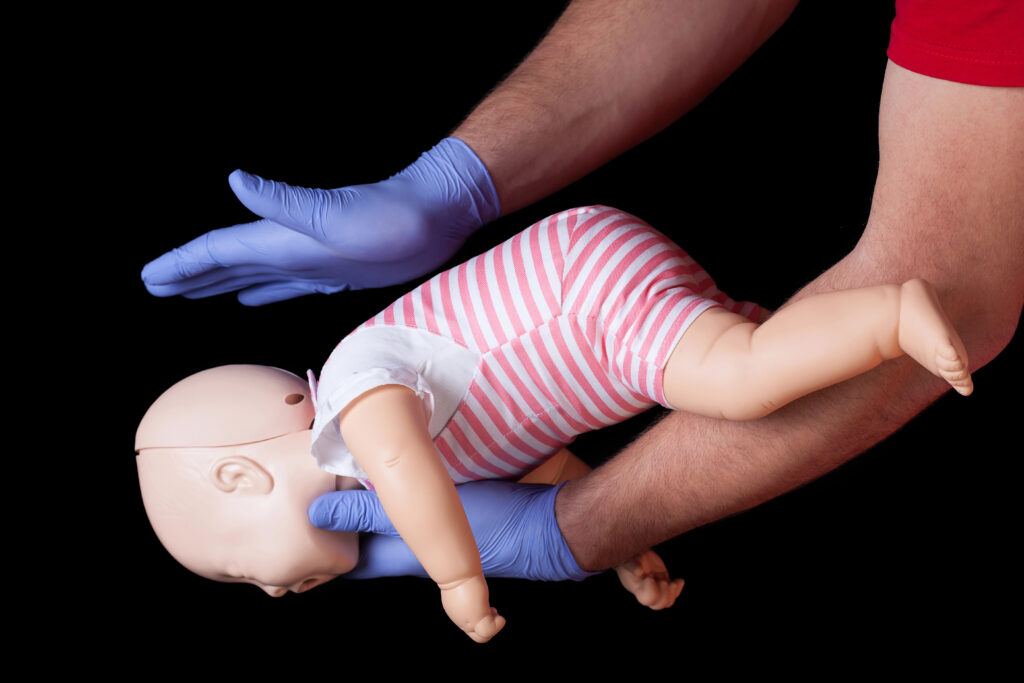
- Choking response. Back blows, abdominal thrusts, infant-specific technique
- Bleeding control. Pressure, elevation, dressing application
- Burn response. Cooling timing, dressing, when to escalate
- Recovery position. When and how to place an unconscious casualty
- Anaphylaxis recognition. Symptom timeline and EpiPen use
A weekend course covers each skill with practical practice on training mannequins. The certificate typically runs three years before refresh. The NHS choking and first aid guidance hub covers the broader framework parents should reference alongside the in-person training.
When Do These Skills Actually Get Used?
Five family scenarios recur across parent experience.
- Toddler choking on food. Most common scenario in the 12-to-36-month range.
- Bicycle or scooter fall. Common across 4-to-12 years old.
- Allergic reaction. First exposures often surface in 2-to-7 years old.
- Asthma flare-up. Often diagnosed between 3 and 10 years old.
- Head injury from indoor furniture. Common across all early-childhood years.
Each scenario is survivable with prompt response. Each is more frightening without the training. Parents who run through the practical scenarios on day one of the course report meaningfully better outcomes in the real moments that follow.

What Errors Surface in Parent First Aid Decisions?
Five mistakes recur when parents haven’t trained.
The first is the freeze. Untrained parents often freeze for 10 to 30 seconds when something happens. Training cuts that gap to near-zero.
The second is calling 999 too late. A trained parent triages quickly and calls when the situation warrants it. An untrained parent often calls when the moment is already past the response window.
The third is the panicked over-treatment. Untrained parents sometimes apply pressure to wounds that don’t need it, or move casualties who should stay still. Training teaches the appropriate response by scenario.
The fourth is the choking-versus-coughing confusion. A coughing child is clearing the airway. A choking child cannot. Parents who haven’t trained sometimes intervene on coughing children and miss the actual choking moments.
The fifth is the burn timing. Cool water on a burn within the first 20 minutes meaningfully changes the outcome. Untrained parents often skip this step or apply ice (which makes the burn worse).
Quick Reference: Course Options in Leeds
| Course Type | Duration | Typical Cost (GBP) |
| Adult and child first aid (weekend) | 12 hours | £75 to £150 |
| Paediatric first aid (full) | 2 days | £120 to £200 |
| Refresher course | 3 to 6 hours | £40 to £80 |
| Workplace first aid (parents at home) | 1 day | £80 to £140 |
| Online + practical hybrid | Mixed | £45 to £100 |
The variance reflects the provider’s accreditation, the venue, and the practical-component depth. Most Leeds parents benefit from the in-person weekend format with a paediatric focus.
Pre-Booking Checklist for Leeds Parents
- Confirm the accreditation (Ofqual or industry-recognised body)
- Check the paediatric content depth for parent-focused courses
- Plan the refresh cycle at three years from the certificate date
- Coordinate with partner or co-parent so both adults are trained
- Identify a refresher venue close to home for the 3-year refresh
- Build a home first aid kit before the course rather than after
The Bottom Line for Leeds Parents
A weekend first aid course is one of the highest-return investments a parent makes in the first five years. The cost is modest. The skills stay useful for decades. The confidence shift across the family rhythm shows up in countless small moments, not just the rare emergencies the course is sold around.
Most Leeds parents who book the course wish they had done it earlier. The school years cover so many small medical moments that the training pays back many times over. The Royal Society for the Prevention of Accidents home safety hub covers the broader framework parent-focused training fits within. The same daily preparedness logic surfaces in how to stop your kids fighting with each other.
Frequently Asked Questions
How Soon After a Baby Arrives Should Parents Take a First Aid Course?
Most parents benefit from a course in the second trimester of pregnancy or the first three months after birth. The skills become relevant fast. Many providers run baby-and-toddler-specific sessions designed for new parents.
Do Both Parents Need to Take the Course?
Both adults benefit. The skills are easier to apply when both parents have practised on the training mannequins. Most courses are priced per person, but some providers run family or couple rates.
How Often Should Parents Refresh the Training?
The certificate typically runs three years. Most providers recommend a short refresher every 12 to 18 months, especially for parents of children under five. The skills fade without practice.
Can the Skills Replace a 999 Call?
No. First aid training fills the gap before professional help arrives. It does not replace the ambulance service. Most parent moments still involve calling 999 alongside the practical first aid.