Working mothers juggling careers, families, and budgets are discovering that feeling luxurious doesn’t need breaking the bank. Second-hand fashion offers a brilliant solution for achieving style sophistication whilst maintaining financial responsibility and environmental consciousness.
1. Why second-hand fashion is booming (and what that means for you)
The UK’s second-hand fashion market is experiencing extraordinary growth, creating mainstream acceptance that benefits busy mums everywhere. The UK second-hand apparel market is projected to grow from £2.3 billion in 2023 to an estimated £6.0 billion by 2032, representing an impressive compound annual growth rate of 11.12%. This surge reflects changing attitudes across all age groups, with younger adults aged 18-34 leading the charge by purchasing an average of 5.3 second-hand items in 2023 compared to just 1.7 items for those aged 55 and over. For working mothers, this mainstream acceptance means no stigma attached to pre-loved purchases. Instead, it’s considered smart, stylish, and socially responsible shopping that fits seamlessly into modern lifestyles.
2. Affordable luxury: how second-hand delivers style without the price tag
Second-hand shopping offers access to designer-quality pieces at a fraction of original prices, allowing working mothers to curate great wardrobes without overspending on clothing budgets. High-end brands, premium fabrics, and well-constructed garments become accessible when purchased pre-owned, meaning you can achieve the polished, professional look essential for career success whilst maintaining household financial priorities. Recent retail innovations make this even easier, with major retailers recognising the trend and adapting accordingly. The ability to find quality pieces that would typically cost hundreds of pounds for tens of pounds instead means working mothers can invest saved money in other family priorities whilst still looking impeccably put-together for important meetings, events, and daily professional requirements.
3. Smart, sustainable fashion for the eco-conscious mum
Purchasing preloved garments reduces environmental impact whilst supporting circular economy principles, which is a consideration increasingly important to conscious consumers. Research shows that the second-hand clothing industry will save around 20 trillion gallons of water over the next decade, equivalent to 30 million Olympic-sized swimming pools that would have been used for manufacturing new clothing. For environmentally aware mothers teaching children about sustainability, choosing second-hand shows practical environmental stewardship. The fashion industry currently produces 2.1 billion tonnes of CO2 emissions annually, making conscious consumption choices genuinely impactful. Second-Hand September campaigns and similar initiatives highlight how individual choices collectively create meaningful change, allowing working mothers to align spending habits with environmental values whilst maintaining style standards.
4. Where to shop second-hand: from boutiques to apps—finding pieces that fit
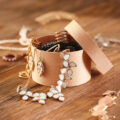
Modern second-hand shopping goes far beyond traditional charity shops, encompassing convenient digital platforms and curated boutique experiences perfect for time-pressed working mothers. Popular apps like Vinted, Depop, and eBay offer selections browsable during commutes or lunch breaks, whilst specialist boutiques provide curated collections of quality pieces. Many platforms offer filtering options by size, brand, and price range, making targeted searches efficient for busy schedules. For professional wardrobes, second-hand jewellery pieces provide affordable luxury touches that elevate entire outfits, adding sophistication and personality without significant investment.
5. Real-life style: stories of working mothers who nailed it
Successful working mothers across the UK are building impressive wardrobes through strategic second-hand shopping, proving that pre-owned doesn’t mean compromising on style or professionalism. Sarah, a marketing manager from Manchester, created her entire interview wardrobe through carefully selected second-hand pieces, landing her dream promotion whilst spending less than £200. My friend Emma, a teacher and mother of twins, discovered vintage blazers and quality knitwear that colleagues regularly compliment, unaware they’re second-hand finds. These examples show how thoughtful curation creates wardrobes that appear expensive whilst remaining budget-friendly, allowing working mothers to present their best professional selves without financial stress.
The beauty of second-hand fashion is in its ability to deliver luxury aesthetics, environmental responsibility, and financial sensibility, which is exactly what modern working mothers need.