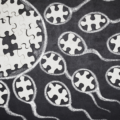
Malaria can be a fatal disease caused by Plasmodium parasites that transmit it to humans through mosquito bites of infected female Anopheles mosquitoes. Following an infected bite, the parasites multiply in the liver, infecting red blood cells and leading to various symptoms, including fever, chills, and flu-like illness.
If left untreated, severe cases of malaria can progress to coma and death. This disease poses a public health risk in many tropical and subtropical regions, and travellers are at risk of contracting the disease.
Four species of Plasmodium parasite cause malaria in humans:
- Plasmodium falciparum
- Plasmodium vivax
- Plasmodium ovale
- Plasmodium malariae
Plasmodium falciparum is the most lethal and is the cause of most malaria-related deaths globally.
Malaria can also be spread through organ transplants, blood transfusions, or shared needles or syringes. Pregnant women are also at risk of transmitting the infection to their unborn children, resulting in low birth weight and other complications.
Fever, Chills, and More: Common Symptoms of Malaria
Fever is one of the hallmark symptoms and is often the first sign of infection. The fever associated with malaria is usually cyclical, with periods of intense shivering and chills followed by high fever and sweating.
These cycles can occur every two to three days, depending on the species of parasite causing the infection. Other common symptoms of malaria include headache, muscle ache, nausea and vomiting, and diarrhea.
In severe cases, malaria can cause organ failure, seizures, and coma. Besides the typical symptoms of malaria, specific populations are at risk of developing grave complications from the disease.
These include young children, pregnant women, travellers from non-endemic areas, and individuals with compromised immune systems. Pregnant women with malaria are at risk of developing anemia and delivering low-birth-weight babies. At the same time, young children are more susceptible to extreme forms of the disease because of their undeveloped immune systems.
Travellers from non-endemic areas may be at an increased risk of developing severe complications if infected because they do not have immunity to malaria.
Knowing When Malaria Symptoms Require Medical Attention
It is essential to seek medical attention if you develop symptoms of malaria, particularly if you have recently travelled to a malaria-endemic area or have been in close contact with someone who has the disease.
Anytime Doctor has anti-malaria treatments. Malaria can progress quickly and cause severe complications if not treated promptly. If you experience fever, chills, sweats, headaches, muscle aches, nausea, vomiting, or other flu-like symptoms after travelling to a malaria-endemic area, it is vital to see a healthcare provider as soon as possible.
A healthcare provider will likely order blood tests to determine the species of the parasite causing the infection and confirm the diagnosis. In some cases, malaria can cause severe complications, such as cerebral malaria, which can lead to coma and death if not treated promptly.
If you develop neurological symptoms, such as confusion, seizures, or difficulty breathing, seek emergency medical care immediately. Prompt treatment with antimalarial medications helps prevent complications and improves your chances of recovery.