
Can anxiety cause sleep apnea and other sleep issues? The short answer is yes, possibly, although I am aware of no definitive proof of this. I’m no expert, but I’ve trawled the internet to learn more and summarise in this blog article on how anxiety can cause sleep apnea and look at some of the symptoms and possible solutions.
The relationship between anxiety and sleep apnea is not yet clear or well-researched. However, some studies show a connection between the two, suggesting that anxiety could be a risk factor for sleep apnea. Research has indicated that people with anxiety have higher levels of cortisol in their blood, which can disrupt breathing. Cortisol is released when someone feels stressed or anxious, and it causes the muscles around the airways to tighten up, making breathing difficult. This can result in chronic sleep deprivation and excessive daytime sleepiness due to frequent breathing interruptions during sleep.
Disclaimer: I am not an expert, and you should always seek medical and professional help if suffering from any condition, including sleep apnea, psychiatric disorders, anxiety disorders and panic disorder.

It has also been speculated that anxiety can lead to sleep apnea because it causes people to breathe faster than usual while asleep. Sometimes up to 60 times per minute. This makes them stop breathing for short periods of time during their sleep cycle, which leads to increased carbon dioxide in the blood, which then increases acidity levels in the body. This means you are not getting enough sleep, which can eventually lead to insomnia.
This is a collaborative post.
What is Anxiety?
When people think of mental health, they often think of depression, which is a mood disorder. However, mood disorders also include anxiety, which can be just as debilitating as depression.
Anxiety is a state of intense fear and apprehension. Symptoms of anxiety can include physical symptoms like a racing heart, high blood pressure, tight chest, chest pain, or sweating. People with anxiety disorders may also experience physical symptoms like stomach aches and headaches. Anxiety disorders are characterised by excessive and persistent worry about several different things. It can be caused by many factors, such as genetics, trauma, stress, environmental factors, life events, work, school, family, post-traumatic stress disorder or even lack of sleep. Anxiety can also be caused by depression and substance abuse.
People with anxiety disorders often have trouble sleeping because their thoughts keep them awake at night. They may also have trouble sleeping because they’re worried about the next day’s events or bad feelings from the past that they can’t stop thinking of. Those who suffer from anxiety will probably know what it is like to feel the fear of not being able to breathe. Some believe that the condition of sleep apnea is one of the most common effects of anxiety, which can be treated with therapy and medication.
As a mental health first aider, I urge anyone experiencing anxiety or other mental health conditions to seek help and support. Remember, you are not alone. Speak to friends and family if you can, but also speak to your GP or refer yourself for therapy.
What is Sleep Apnea?

Sleep apnea is a condition where the person has trouble breathing while they are sleeping. It’s a condition that causes the airway to close during sleep, interrupting breathing for short periods. It can happen when the muscles in the airway relax and block air from flowing into and out of the lungs. It can also occur when a person’s throat becomes narrow or blocked for some reason, such as from enlarged tonsils or adenoids or from extra tissue in their mouth that blocks their throat. The incidence rate of severe OSA (obstructive sleep apnea) has been increasing recently and has become a genuine concern for many people.
Sleep apnea symptoms include snoring and breathing pauses during sleep, which leads to daytime fatigue and irritability. Symptoms include loud snoring, trouble sleeping at night, morning headaches or dizziness upon waking up in the morning, dry mouth in the morning due to lack of oxygen flow during sleep hours, disrupted sleep and daytime sleepiness.
It’s worth being aware that sleep apnea may be a symptom of heart disease. The first step in diagnosing sleep apnea is to have an examination by your doctor, who will ask about your symptoms and give you a physical exam. Always talk to your doctor if you have concerns about cardiovascular disease.
How does anxiety cause sleep apnea?
As well as what has been previously mentioned, anxiety is often associated with heart rate because it can cause rapid breathing. This increases the heart rate. This in turn causes hyperventilation, which leads to an increase in respiratory alkalosis and hypoventilation, both of which can lead to sleep apnea.
What are the treatment options for Sleep Apnea?
Treatment is primarily non-surgical. Treatment includes weight loss, avoiding alcohol and other sedatives, avoiding tobacco and caffeine, quitting smoking, using CPAP therapy (a device that helps the airway to remain open), and lifestyle changes such as getting more sleep each night. Here are some of the ways that you can treat your sleep apnea:
CPAP Machine
Continuous positive airway pressure (CPAP) is a type of treatment for obstructive sleep apnea. The CPAP device delivers a steady stream of pressurised air to the upper airway and prevents it from collapsing.
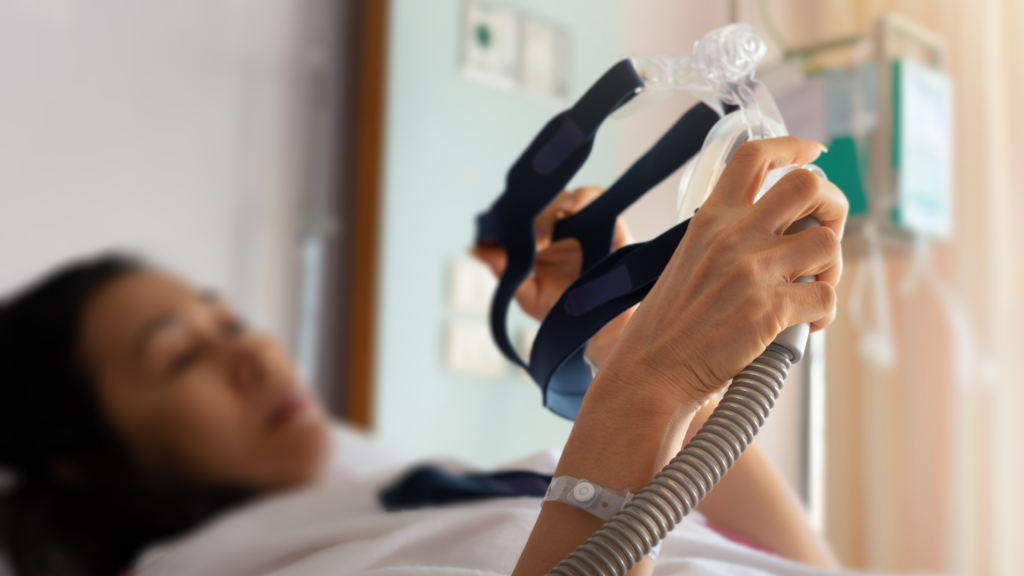
The CPAP masks are typically made of a flexible material that will form on the patient’s face and seal off the nose and mouth. The mask is attached to a machine, which provides the desired pressure.
Intelligent Sleep System
Healthy sleep is more than a luxury. It’s as essential to a healthy lifestyle as diet and exercise. That’s probably not a surprise when you consider we spend approximately a third of our lives asleep. Having a good night’s sleep refreshes the mind, repairs the body and boosts the immune system. Our energy, mood and mental performance can all be enhanced or diminished by the quality of our sleep. So if you have a sleep problem it can really impact your well-being.
The world’s first intelligent sleep system OROmed International has been harnessing the power of technology to improve the quality of our sleep for more than two decades. The ORO Advanced Sleep System is the world’s first intelligent bed that can make a significant difference in your sleep. The bed automatically adjusts to support your body as you change position in your sleep to ensure optimum sleeping position throughout the night. The mattress features a pressure relief comfort recess and latex pillow to support your neck and spine, which are more advanced than anything you have slept on before. The mattress is made of hypo-allergenic high-density 100% Natural Latex which is far superior to innerspring and memory foam mattresses. The ORO Advanced Sleep System can help to alleviate stiff joints, back pain, and snoring. It can help prevent snoring and Sleep Apnoea.
The health benefits of the ORO Advanced Sleep System are so compelling that they have supplied their products to health-related organisations such as NHS Trusts and Nursing Homes. “A bed that changes through the night to suit your position could be one of the most advanced breakthroughs in the search for a perfect night’s sleep.” -Morbi Stephanie Zinser, Good Health (The Daily Mail Editorial).
Sleep when Pregnant
In addition to the benefits, we can all get from healthier sleeping, the ORO Advanced Sleep System’s features have particular resonance for pregnant mothers. Sleeping and Stillbirth In November 2017, the Royal College of Obstetricians and Gynaecologists published a report on the association between maternal sleep practices and late stillbirth[1]. The sleep study confirmed a direct link between a supine (back) sleeping position and an increased risk of miscarriage and stillbirth.
ORO Latex Mattress, with its Pressure Relief Comfort Recess and Automatically Adjustable Bed Base, provide all expectant mothers with ultimate comfort and a blissful night’s sleep throughout pregnancy while side sleeping and their latest Invention, ORO Baby Alarm, provides safety through the third trimester minimising the risk to mother and child.
What would you give to sleep well?
The ORO Advanced Sleep System can be purchased for prices comparable to standard manually adjustable electric beds. If you would like to put their sleep science to the test, they are currently offering a 30-day trial period with a 100% money-back guarantee and free collection. All their products come with a ten-year warranty. Find out more here:
Sleep Specialist
If you’re still at your wit’s end and lack of sleep is causing you anxiety, speak to a sleep specialist. A sleep specialist is a doctor who specialises in diagnosing and treating sleep-related disorders. They will discuss your sleep deficit (also known as sleep debt) and help get you out of the vicious cycle which is caused by lack of sleep. Sleep specialists are trained to diagnose and treat the following sleep disorders:
1. Apnea: Breathing pauses or becomes shallow during sleep, which can lead to daytime fatigue or even heart attacks.
2. Insomnia and chronic insomnia: Difficulty falling asleep, staying asleep, or waking up too early in the morning.
3. Narcolepsy: Excessive daytime sleepiness that may be caused by a loss of brain cells that produce a chemical called hypocretin (orexin).
4. Restless Leg Syndrome (RLS): A neurological disorder characterised by an irresistible urge to move the legs usually accompanied by an uncomfortable tingling sensation in the legs and feet that typically worsens at night when at rest; symptoms are relieved temporarily when walking, stretching, or massaging the legs and feet.
Sleep specialists work with patients to help them understand their sleep problems and offer solutions. They have a variety of tools at their disposal, including CPAP machines, oral appliances, and surgery. They may also talk to you about sleep techniques, relaxation techniques and sleep medicine if they think that may help. Always seek professional advice before taking medicine.


Pingback: 5 Tips for Dealing with Social Anxiety during the Holiday Season - My Balancing Act
Pingback: Unveiling the Mystery: How Long Does a Teenager Need to Sleep? - My Balancing Act