


In today’s busy world, it’s easy to get caught up in the chaos of everyday life. We often prioritise work, family, and social obligations over our own well-being. However, neglecting our physical, mental, and emotional health can lead to burnout and a lack of productivity. That’s why implementing a self-care routine is crucial for maintaining a balanced and fulfilling life. It’s so important to look after yourselves.
The Ultimate Self-Care Checklist is a comprehensive guide to daily habits that will help you achieve optimal health and happiness. From practising gratitude to getting enough sleep, this checklist covers all the essential components of a well-rounded self-care routine. So, whether you’re a busy professional or a stay-at-home parent, take a few minutes each day to prioritise your own self-care and look after yourselves. Here’s how to reap the benefits of a more balanced and fulfilling life.
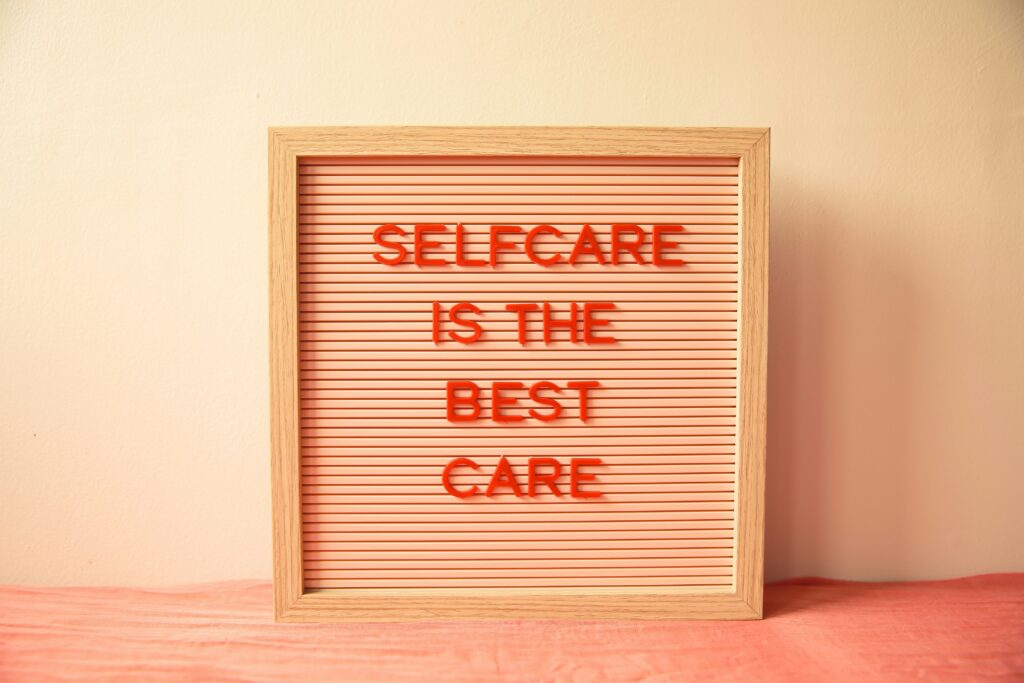
Understanding Self-Care: Why it’s Important to look after yourselves
So why is self-care important and why should we look after yourselves? Self-care is all about how to look after yourselves. Both physically and mentally. It involves making a conscious effort to prioritise your own well-being over other obligations. Self-care is not a one-time event. It should be a continuous process that requires you to make a consistent effort to take care of your body, mind, and soul. A self-care routine can include anything from getting enough sleep to practising mindfulness to eating a balanced diet.
Self care is often seen as a luxury, but it is essential for overall well-being. It is not selfish to prioritise your own needs. In fact, it is necessary for leading a fulfilling life. When you take care of yourself, you are better equipped to handle life’s challenges and have a more positive outlook on life. The problem is, it’s so easy to get caught up in our busy lives and forget to prioritise our own health, but it’s crucial to make a conscious effort to look after ourselves. Not only does taking care of our physical and mental well-being have numerous benefits for our energy levels and productivity, but it also strengthens our immune system and helps us ward off illnesses. While personal efforts are important, true self-care can also mean recognizing when professional help is needed. For those facing persistent mental health challenges, organizations like Serenity Mental Health Centers can offer the professional support and guidance that can be beneficial for long-term well-being.
We can’t pour from an empty cup, so taking the time to prioritise our own self-care will ultimately benefit those around us as well. Whether it’s getting enough sleep, exercising regularly, or making time for activities that bring us joy, investing in ourselves is always a
worthwhile endeavour.
For those dealing with sleep apnoea or ongoing sleep disruption, equipment such as a reliable ResMed CPAP mask from RespShop can support better sleep quality, improved energy levels, and long-term well-being. Sleep plays a vital role in self-care, as poor-quality rest can have a significant impact on both mental and physical health.
The Benefits of Self-Care: Improving Mental Health and Well-being
Incorporating self-care into your daily routine has numerous benefits for your mental health and well-being. When you look after yourselves, you are better equipped to handle life’s challenges. Here are some benefits of self-care:
- Reduced stress and anxiety
- Improved sleep quality
- Increased energy and productivity
- Boosted mood and overall well-being
- Improved physical health and immunity
The Importance of Daily Habits in order to look after yourselves
Taking good care of yourself is crucial for both your physical and mental wellbeing. And the best way to do that is by developing daily healthy habits. Daily habits are the building blocks of a self-care routine. They are small, consistent actions that can make a significant impact on your overall well-being. When you make self-care a daily habit, it becomes a natural part of your routine, making it easier to maintain in the long run. These habits can be simple and easy to incorporate into your routine, such as drinking plenty of water, eating a balanced diet, and getting enough sleep. Along with physical health, it’s essential to prioritise your mental wellbeing by practising mindfulness, self-care, and spending time with loved ones.
Daily habits help you stay focused and motivated throughout the day. They provide a sense of structure and routine that can help reduce stress and anxiety. When you have a set of daily habits that you can rely on, you are less likely to feel overwhelmed or exhausted. Remember that small, consistent steps lead to significant progress. So, start today with just one daily habit, and with time, you’ll build a healthy and happier lifestyle.
The Ultimate Self-Care Checklist: How to look after yourselves
The Ultimate Self-Care Checklist is a comprehensive guide to daily habits that will help you achieve optimal health and happiness. It is designed to help you create a self-care routine that covers all the essential components of a well-rounded self-care regimen.
The checklist includes the following daily habits:
Morning Routine: Tips and Tricks
Your morning routine sets the tone for the rest of your day. That’s why it’s important to start your day with a few self-care practices that help you feel energised and focused. By incorporating these morning routine steps into your daily life, you’ll set the stage for improved well-being, productivity, and a successful day ahead.
1. Wake up early:
Rise with the sun and give yourself enough time to ease into the day without rushing. Waking up early helps regulate your sleep cycle and provides you with quiet time to prepare for the day ahead. If you can’t wake up early due to late night shifts or current sleeping habits, try to wake up at the same time every day to establish a consistent sleep schedule.
2. Hydrate:
Begin your day by drinking a glass of water to rehydrate your body after a night’s rest. Hydration is essential for maintaining optimal brain function, energy levels, and overall health.

3. Meditate or practice mindfulness:
Dedicate 5-10 minutes to meditation or mindfulness exercises to clear your mind and set a positive tone for the day. This practice can help reduce stress, improve focus, and enhance emotional well-being.
4. Exercise:
Even if you aren’t the most active person, exercise will always improve how you feel, and you might even get into it! Everyone can always benefit from varied exercise and training, especially when you’re looking to improve your endurance, strength, and resilience. Although structured plans are essential for performance, adding variety can help you address any weaknesses that don’t always show up during your day to day. Activities like swimming, running and functional strength training can support your fitness goals and improve overall stability. It can also help to prevent burnout during those longer training blocks.
If you’re already an established or keen athlete who’s ready to push their performance even further, exploring multi-discipline coaching can be especially valuable. This is where triathlon coaching can give you a more well-rounded training goal, as it blends swimming, biking and running training into one balanced program. Even if you are not preparing for a triathlon specifically, the principles of doing triathlon training can translate effectively into your fitness-focused goals. This often leads to more consistent progress and may also improve your mental health too. Sometimes focusing on going to the gym by yourself can cause fatigue, and you can become stuck in a rut with the same routine each day. It’s always a good idea to keep an open mindset when it comes to training, as trying something new could unlock new potential you never even knew existed. So, carry out some research on other forms of training, including triathlon, and see how you can incorporate it into your day to day exercise schedule.
5. Eat a nutritious breakfast:
Fuel your body with a healthy and balanced meal that includes protein, complex carbohydrates, and healthy fats. A nutritious breakfast will provide you with the energy and nutrients needed to tackle the day ahead.
6. Set daily goals or intentions:
Take a few minutes to write down your goals, to-do list, or intentions for the day. This practice helps you stay organised, focused, and motivated throughout the day.
7. Practice gratitude:
Before diving into your day, take a moment to reflect on the things you are grateful for. Cultivating gratitude can enhance your overall well-being and help you approach the day with a positive mindset.
Mid-Day Check-In Steps to Boost Your Wellbeing and Renergise Your Day
Taking a few minutes to check-in with yourself mid-day can help you stay focused and motivated. Here are some mindful practices you can incorporate into your mid-day routine
1. Pause for a moment of mindfulness:
Take a few minutes to clear your mind and focus on your breath. Practising mindfulness during the day helps reduce stress, improve focus, and maintain a sense of calm amidst daily challenges.
2. Recite positive affirmations:
Remind yourself of your strengths, accomplishments, and goals by repeating positive affirmations. This practice can help boost your self-confidence, reinforce a growth mindset, and put you in a better position to tackle the rest of the day.
3. Reflect on your progress:
Assess the tasks you’ve completed and the progress you’ve made towards your daily goals. Celebrate your achievements, no matter how small, and adjust your plan as needed to stay on track for the remainder of the day.
4. Take a short break to recharge:
Step away from your work for a brief period to rest and recharge. Engage in a relaxing activity like stretching, taking a walk, or chatting with a friend. These breaks can help improve overall wellbeing by reducing mental fatigue and enhancing productivity.
5. Nourish your body and mind:
Refuel with a healthy snack that includes protein, fibre, and healthy fats to sustain your energy levels throughout the afternoon. Additionally, consider engaging in a brief mental exercise, such as reading an inspiring article or good book, or listening to a motivating podcast, to stimulate your mind and maintain focus.
By incorporating these mid-day check-in steps into your daily routine, you’ll foster a greater sense of wellbeing, productivity, and resilience, setting yourself up for continued success throughout the day.
Evening Routine Steps to Wind Down for Restful Sleep and Boost Your Wellbeing
Your evening routine is just as important as your morning routine. It is essential to wind down at the end of the day to prepare your mind and body for restful sleep. Here are some tips and tricks for creating an evening routine:
1. Disconnect from technology:
Disconnect from screens at least one hour before bedtime to reduce exposure to blue light, which can interfere with your sleep cycle. Use this time to engage in calming activities such as reading, journaling, or gentle stretching.

Disclaimer: As an Amazon Associate I earn from any qualifying purchases.
2. Practice gratitude:
Reflect on the positive moments and accomplishments of the day by jotting down a few things you’re grateful for in a gratitude journal. This simple way of cultivating gratitude on a daily basis can improve your overall mood and help shift your mindset towards positivity.
3. Create a soothing environment:
Prepare your bedroom for a restful night’s sleep by ensuring it’s cool, dark, and quiet. Consider using blackout curtains, a white noise machine, or earplugs to minimise disruptions and create a peaceful atmosphere.
4. Try guided meditations or deep breathing exercises
Engage in relaxation techniques like guided meditations or deep breathing exercises to help calm your mind and reduce stress levels. This practice can help you transition into a restful state, making it easier to fall asleep.
5. Establish a consistent sleep schedule:
Going to bed and waking up at the same time every day helps regulate your internal clock and improve the quality of your sleep. Aim for 7-9 hours of sleep per night to ensure your body has ample time to rest and recover.
6. Develop a bedtime ritual:
Create a soothing pre-sleep routine that signals to your body that it’s time to wind down. This may include activities such as taking a warm bath, sipping on herbal tea, practising gentle yoga, or listening to calming music.
By incorporating these evening routine steps into your daily life, you’ll set the stage for restful sleep and improved wellbeing, allowing you to wake up refreshed and ready to tackle the day ahead.
Weekly Self-Care Practices: Taking Time for Yourself and Nurturing Your Wellbeing
In addition to daily habits, it is essential to take time for yourself on a weekly basis. This can include anything from a spa day to a solo hike in nature. Here are some self-care practices to consider:
1. Schedule regular exercise:
Incorporate physical activity into your weekly routine to boost your mood, reduce stress, and improve overall health. Whether it’s a brisk walk, yoga, or a high-intensity workout, find an exercise that you enjoy and make it a priority.
2. Connect with loved ones:
As social human beings, we thrive on meaningful connections with friends and family. Set aside time each week to catch up with the people who matter most, whether in person, over the phone, or through video calls.
3. Celebrate good news:
Acknowledge your accomplishments, both big and small, by sharing your successes with others or treating yourself to a small reward. Celebrating the good news helps reinforce a positive mindset and encourages continued growth.
4. Indulge in small things that bring you joy:
Make time each week to enjoy simple pleasures, like reading a book, listening to your favorite music, or watching a movie. These activities can help you unwind and recharge, contributing to your overall wellbeing.
5. Pamper yourself with little treats:
Show yourself some love by indulging in self-care rituals like taking a bubble bath, getting a massage, or enjoying a face mask. These little treats can help you feel refreshed and rejuvenated.
6. Explore a new hobby or interest:
Dedicate time each week to discovering new passions or developing existing skills. Engaging in creative or learning activities can provide a sense of accomplishment and personal growth.
7. Practice mindfulness and meditation:
Set aside time each week to focus on your breath, observe your thoughts, and cultivate a sense of inner peace. Regular mindfulness practice can help reduce stress, enhance mental clarity, and improve emotional wellbeing.
By incorporating these weekly self-care practices into your routine, you’ll nurture your wellbeing, cultivate a balanced lifestyle, and create an environment where you can thrive. Remember to prioritize yourself and take time to enjoy the journey.
Self-Care for Busy Schedules: Tips and Tricks to look after yourselves
For those with busy schedules, it can be challenging to find time for self-care. However, it is still important to prioritise your own well-being. Here are some tips and tricks for incorporating self-care into a busy schedule:
1. Plan and prep healthy food:
Set aside time each week to plan balanced meals and prepare them in advance. Having healthy food readily available can save you time, reduce stress, and ensure you’re giving your body with the nutrients it needs to thrive.
2. Find different ways to exercise:
Incorporate physical activity into your daily routine by finding creative ways to move, such as taking the stairs instead of the elevator, going for a walk during lunch breaks, or doing short workouts at home.
3. Stay connected with close friends and family members:
Cultivate strong relationships by making an effort to check in with loved ones regularly, even if it’s just a quick text or phone call. Maintaining social connections can boost your mood and provide a support system during busy times. Don’t be afraid to ask for help or delegate tasks to free up time for self-care.
4. Learn to say no:
Recognise your limits and protect your time by saying no to non-essential commitments. This can help prevent burnout and ensure you have enough energy to focus on what truly matters.
5. Practice mindfulness in small moments:
Incorporate mindfulness into your daily life by taking brief moments to focus on your breath, observe your thoughts, or engage in a brief meditation. These practices can help reduce stress and enhance mental clarity amidst a busy schedule.
6. Use your commute time:
Use your commute time to listen to calming music. motivational podcasts or audiobooks.
7. Schedule self-care time:
Treat self-care as a non-negotiable appointment by setting aside dedicated time in your calendar each week. Use this time to engage in activities that bring you joy, relaxation, and rejuvenation.
By implementing these self-care tips and tricks into your busy schedule, you’ll create a more balanced lifestyle and ensure your wellbeing remains a priority, even during the most hectic times.
Conclusion: Look after yourselves
The Ultimate Self-Care Checklist to look after yourselves is a comprehensive guide to daily habits that will help you achieve optimal health and happiness. By incorporating self-care into your daily routine, you can lead a more balanced and fulfilling life. Remember, self-care is not selfish, and it is essential for overall well-being. Take a few minutes each day to prioritise your own self-care, look after yourselves, and reap the benefits of a more balanced and fulfilling life.




pamper yourself with little treats helps to boost my day i use that technique when I have the dentist I will give myself a little treat its normally some wool for knitting
Really does pay dividends to look after your mental and physical wellbeing
[…] help prevent chronic diseases such as diabetes and high blood pressure. Incorporating these healthy habits into your daily routine can be challenging at first, but it becomes easier over time. Start by making small changes […]
[…] routines for your children to help them develop good habits and make your daily life more […]
[…] can be easy to fall into the habit of postponing self-care or putting your own dreams and goals on hold when you are a caregiver, but this is not in the best […]