
There’s a quiet revolution happening overhead. A roofolution, if you will.
As more of us are leaning more towards sustainable living, rooftops—the very things that often go unnoticed—are becoming key players in the design of future-proof homes. You might think this is about sterile greenwashing or slapped-on solar panels, but it happens to be something much older, wiser, and more tactile. A return to natural materials. A reimagining of the roofs we thought we knew and their natural charm.
Why the Roof Matters More Than Ever
Roofs are rarely the star of architectural innovation. Yet they’re where the battle for energy efficiency, climate resilience, and material sustainability is being fought—sometimes literally tile by tile.
Modern homeowners are facing complex needs: insulation against unpredictable weather, harmony with the landscape, long-term durability, and a lighter carbon footprint. Natural roofing materials like thatch, wood shingles, clay tiles, and even living green roofs aren’t just meeting those needs—they’re redefining them.
Thatched Roofs: Not a Throwback, a Leap Forward
Yes, thatch. And no, it’s not just for chocolate-box cottages or period dramas.
In the hands of today’s craftspeople, thatch is becoming an elite, high-performance roofing material. Water-repellent, breathable, and incredibly insulative, a well-laid thatched roof can last up to 50 years with minimal intervention. More importantly, it biodegrades naturally when it does reach the end of its life. Try saying that about your asphalt shingles.
Ever heard of a master thatcher? Across parts of the UK and northern Europe, Master Thatchers—guardians of an ancient skill—are now collaborating with contemporary architects to fuse tradition with innovation. These aren’t museum pieces; they’re energy-efficient, beautifully textured living rooftops. Thatched roofs are even making surprising comebacks in urban infill projects, where they bring a softness and tactility that modern materials just can’t replicate.
The Comeback of Earth and Timber
Elsewhere, wood shingles and shakes, especially from sustainably harvested cedar or oak, are reentering the market with a vengeance. Once dismissed as quaint or high-maintenance, they’re now seen as smart choices for homes that breathe, flex, and endure.
Engineered timber treatments now extend the lifespan of wood roofs without toxic chemicals. And new breathable underlays have made it possible for timber roofs to deliver performance without compromising on environmental integrity.
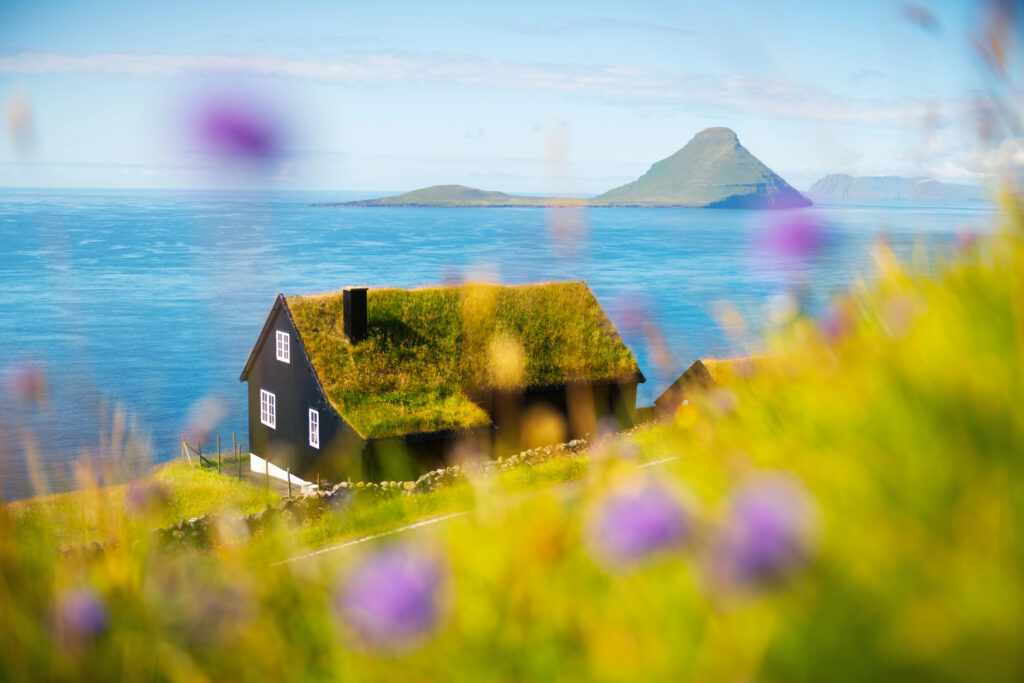
Earthen roofs, too, are having a moment. In Iceland and parts of Scandinavia, turf roofs have always been more than rustic decor. They’re insulative and storm-resistant. With a properly designed structure, they can even support wildflowers, pollinators, and soil regeneration—all while keeping a home warm through winter and cool through blazing summers.
Green Roofs Without the Gimmicks
The term “green roof” has been buzzed into near-meaninglessness. But at their core, living roofs are one of the most functional expressions of ecological design.
Forget the token rooftop lawn. Instead, think integrated systems: mosses, sedum, and micro-habitat layers that regulate temperature and capture rainwater. These roofs are not cosmetic—they’re structural partners in reducing stormwater runoff, providing thermal mass, and promoting biodiversity in dense urban zones.
In Berlin, green roofs are being integrated into low-income housing with measurable success. In Tokyo, hospitals use them to stabilise indoor temperatures and reduce cooling costs. And in Toronto, they’re now mandatory on certain new builds.
Natural Materials, Modern Strategy
What’s powerful about this eco-roof renaissance is that it doesn’t seek to imitate the past—it retools it. It’s not about nostalgia. It’s about resilience.
Natural materials aren’t just aesthetic or eco-conscious—they’re smart, scalable strategies for a built environment facing climate unpredictability. Unlike synthetic roofing that will one day be torn off and dumped in a landfill, natural roofs age with grace, often returning to the earth they came from.
And with advances in moisture management, load-bearing design, and fire safety, natural doesn’t mean naive. It means evolved.
The next time you see a thatched cottage, a timber-shingled home, or a moss-covered city terrace, don’t think “rustic.” Think “blueprint.” Because the future of roofing? It just might be found in the past—with smarter tools in hand.


