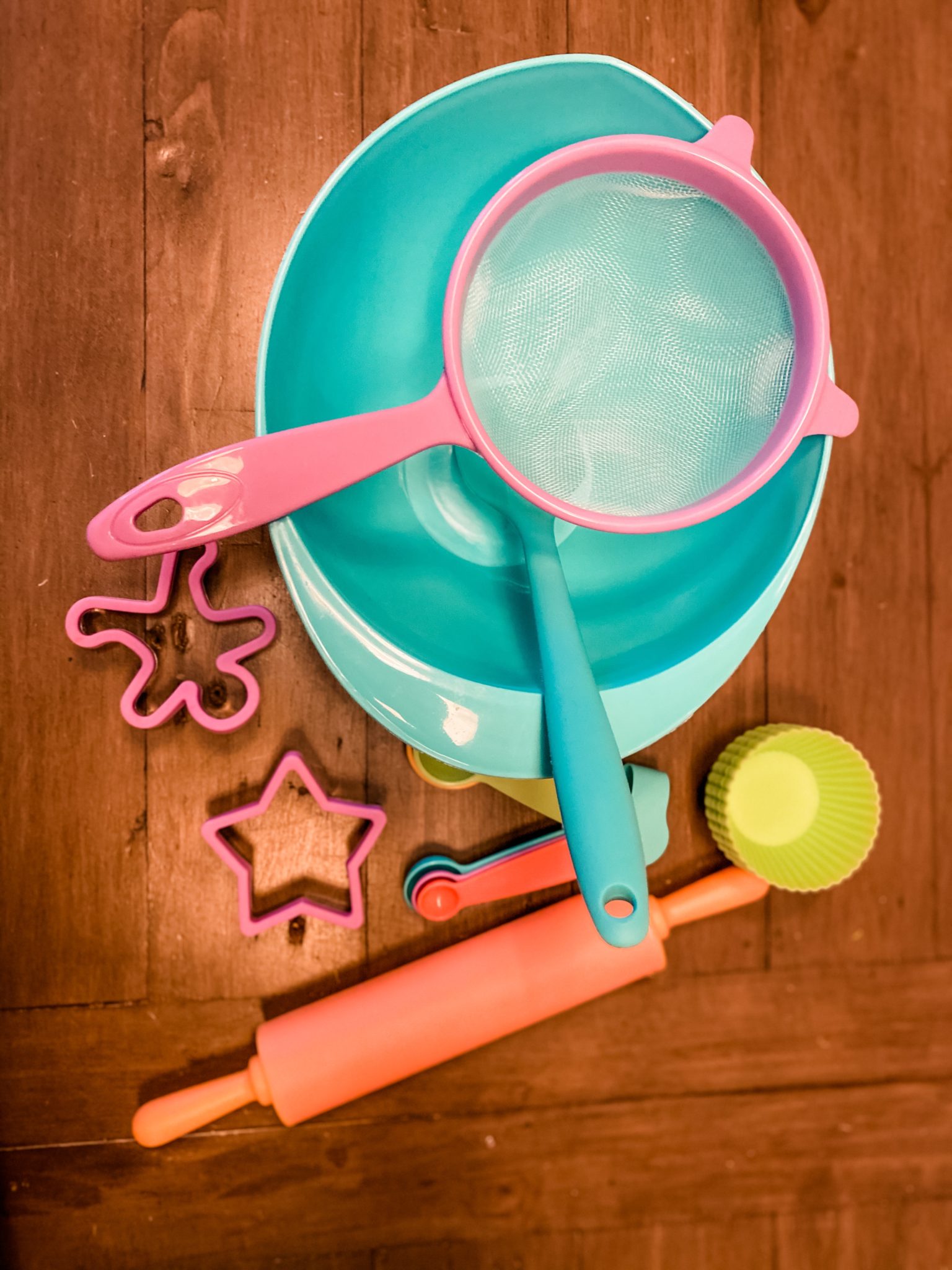


Baking with your kids gives you a chance to slow down and share something practical and enjoyable. You work side by side and create food you can all be proud of eating. Children often feel more relaxed in the kitchen than at a table, which makes baking a good way to connect without pressure. You do not need to aim for perfect results. When you focus on the experience rather than appearances, baking becomes a regular activity instead of a special event that feels hard to repeat, so let’s look at the best ways to introduce your children to baking.
Choose the Right First Recipes
Biscuits and basic sponge cakes are a great place to start because they are simple and have clear results. A biscuit recipe, for example, lets your child roll dough, cut shapes, and watch them change in the oven. You can also talk about why some biscuits turn crunchy while others stay soft. Choosing popular and reliable recipes builds confidence as you recreate some of the best biscuits in the UK. Not only does this make kids more willing to try again, but it also provides a result they will really enjoy.
Preparing the Kitchen and Keeping It Safe
Before you start, clear the worktop and measure ingredients into bowls so your child can focus on the task rather than waiting. Be sure to cover safety rules like where hot trays go and explain why ovens need space, because understanding risk helps children act carefully. Keep wipes or cloths nearby so spills feel manageable instead of stressful. A prepared kitchen keeps the mood calm and makes baking feel achievable.
Make It Educational and Fun
Baking naturally supports learning when you talk through what you are doing. Measuring ingredients practically introduces numbers, while mixing shows how textures change. Let your child pour and count so learning happens through action rather than instruction. When something goes wrong, such as a mixture splitting, you can explain how to fix it, which teaches problem-solving without judgment.
Decorating, Variations and Making It Your Own
Set out a few toppings and let your child choose how to finish their bake so they feel ownership over the result. You can suggest small variations, such as adding cocoa powder or swapping flavours, and explain how those changes affect taste. This approach helps children see baking as creative and flexible, which keeps them interested as their skills grow.
Small Bakes, Lasting Memories
Over time, the kitchen can become a place where your child feels trusted to try, fail, and try again without pressure. Those moments of shared focus and gentle conversation build familiarity and confidence in ways that feel natural. As kids grow, they often carry these experiences with them, returning to the kitchen on their own terms or using the same patience and curiosity in other areas of life. By keeping baking relaxed and welcoming, you give your children something practical they can return to, along with memories rooted in effort and time spent together.