In an ideal home setup, what is deemed adult-friendly can be equally hazardous to infants and toddlers. Babies grow so fast, and their curiosity is heightened as they learn how to touch, hold, climb, and open things. This creates room for unprecedented dangers and threats, which parents must be proactive to prevent. Here are 6 proven safety tips to help keep your child and newborn safe at home.
1 – Enhance Safe Sleep Patterns
Safe sleep patterns prevent your baby from sudden infant death syndrome (SIDS) and other dangers, such as suffocation. These habits include proper sleep positioning, adequate dressing, and a safe-crib environment.
Place your baby on its back when sleeping, avoid overheated rooms, put sleep positioners away, and use a pacifier where necessary. You should also dress your baby in light sleep clothes, such as baby sleepsuits. Experts recommend baby sleepsuits as they do not require additional layering. Items like this are also great to put in a hamper for someone else, if you have a friend who is expecting a child. If you want to make things easier, you can always pick up a new baby hamper online, so you have a good starting point for a friend or to treat yourself.
A safe child environment must also be smoke-free.
2 – Practice Water Safety
Children cannot resist their natural curiosity about water. However, unattended water supplies pose a risk of drowning. Never leave your baby unsupervised near a bathtub, pool, or standing water. Brief seconds away from a baby in a tub is enough to suffer tragic consequences.
Empty bathtubs and buckets when not in use. Maintain safe water temperatures during showers or baths. Keep your water supplies away from naked electrical appliances.
3 – Babyproof Your Home
Babyproofing your home involves eliminating hazards that can potentially expose your child to injuries and accidents. These risks increase when your baby starts crawling or walking.
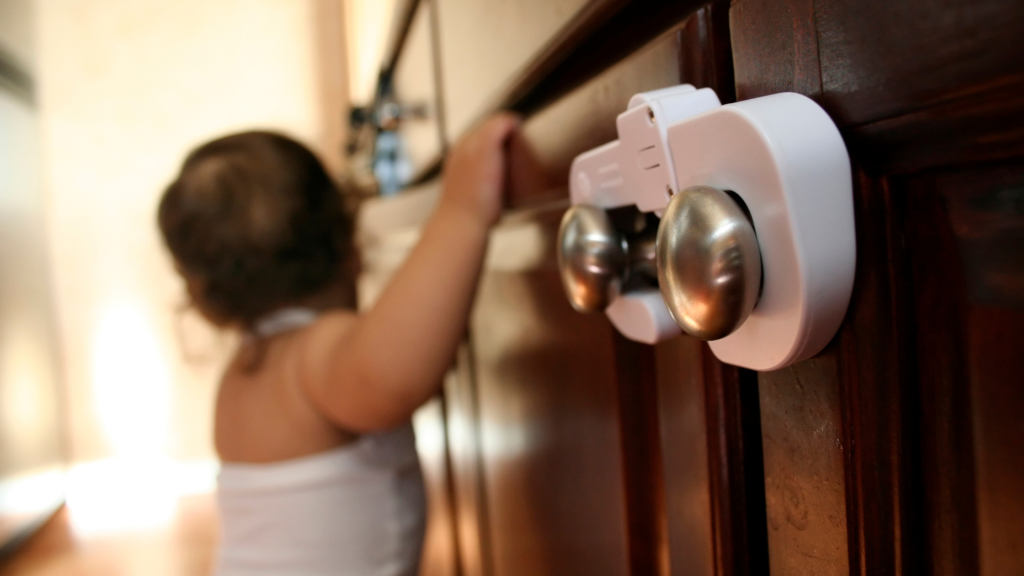
Install safety latches on your drawers, cabinets, and cupboards. This helps in keeping dangerous items and supplies from the child’s reach.
Store hazardous items on higher shelves and cabinets. If you have a pantry, keep the unsafe products on the top deck.
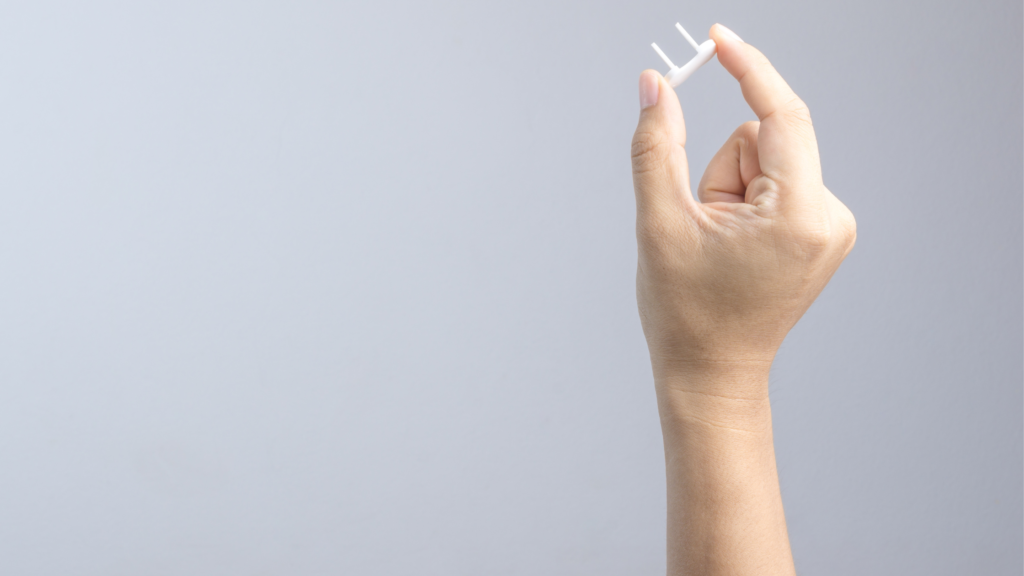
Install safety plugs on all electrical outlets to prevent your baby from inserting items.
4 – Prevent Falls
Falls are the primary cause of injuries in most babies. Parents must remain conscious of their child’s abilities and skills that could facilitate such falls.
Always keep your baby under active supervision when sleeping, sitting, or playing in high places, such as cribs and tabletops. Have your baby secured in the safety straps when in their high chair to ensure they are secure.
Remove sharp and hazardous objects around elevated baby equipment or objects, such as porches, cribs, sofas, and beds.
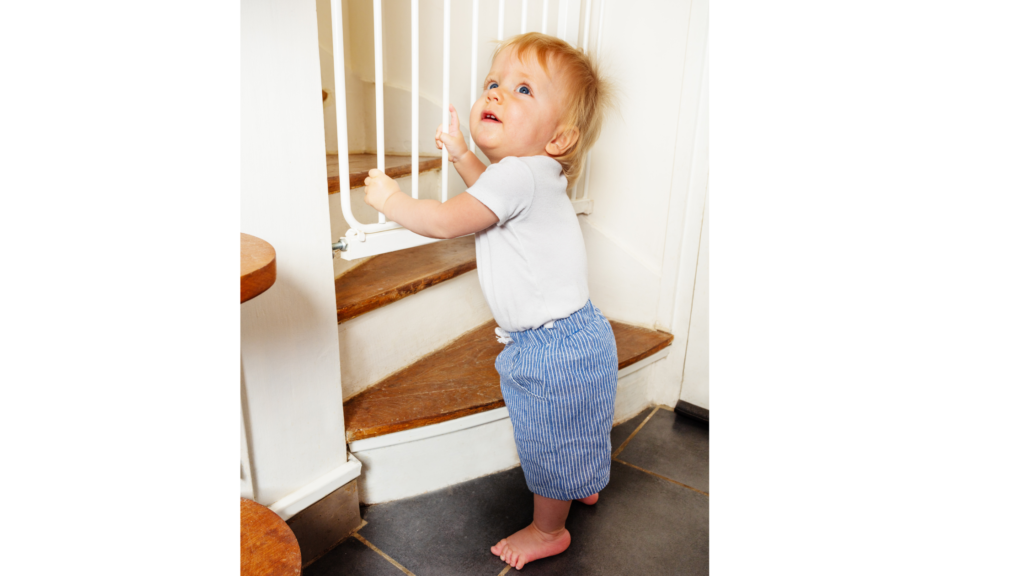
Use a stair gate both at the top and bottom of the stairs to prevent any falls on the stiarways.
5 – Keep Household Medicines, Chemicals, and Detergents Away
Household detergents, medicines, and chemicals are a leading cause of poisoning in babies. Keep your child’s environment safe from poisoning by storing such chemicals and detergents away from their reach. Install a medicine/chemicals cabinet in your house that must always be under lock and key.
Beyond immediate household dangers, it’s also important to be aware of environmental contaminants that may cause long-term health problems. Chemicals such as PFAS—also known as “forever chemicals”—have been connected to serious illnesses due to long-term exposure through water and consumer products. For people dealing with health issues linked to these substances, learning about legal options, including pfas lawsuit settlement amounts, can be a key step toward getting compensation for medical expenses and other losses. Staying informed about both household and environmental risks helps protect not just adults, but also the long-term health and safety of babies and young children.
6 – Babyproof Your Furniture
Unstable furniture and unattended furniture tips can expose your child to injuries. Ensure that all pieces of furniture in your house are sturdy and well-anchored. Strap your television, screens, and sound systems to your entertainment unit.
When your baby is learning to crawl, walk and stand up they will often take tumbles. Keep furniture with sharp edges away from your baby. Where possible, pad the edges with furniture protectors for enhanced safety.
Final thoughts on baby proofing your home
Staying on top of baby proofing your home is key. Contantly being aware of potential hazards, such as pets in your home, handbags left on floors, or shopping on the coffee table. Try and always stay alert to potential hazards. The Baby proofing stage doesn’t last forever but it’s essential to keep your little one safe in their home.
There’s lots of resources out there to help you baby proof your home. This blog post is just a starter for ten so please make sure you do your research thoroughly to ensure a safe environment.
Finally, congratulations on welcoming your baby to your home. I hope this has helped and enjoy your time with your beautiful new baby. If you are feeling tired and overwhelmed, remember you are not alone and there is help available to mums. Contact your midwife or GP surgery for support.
Disclaimer: Partner’s article