A home is a place of comfort and security, but for a curious toddler, it can also be a landscape filled with hidden dangers. From brightly coloured cleaning liquids to small, pill-like supplements, many everyday items can pose a risk to inquisitive little ones. As parents and caregivers, we do everything we can to create a safe environment. One of the most important, yet often overlooked, lines of defence is the packaging our products come in. Child-resistant packaging is a simple but incredibly effective safety solution designed to keep potentially harmful substances out of the wrong hands.
This article will explore why this type of packaging is so crucial for household safety, how it works, and its important role in modern wellbeing product packaging. Understanding its function can empower you to make safer choices for your family.
Why Child-Resistant Packaging Matters
Young children learn about the world by touching, tasting, and exploring. Their natural curiosity means they often don’t recognise the dangers that might be lurking inside an ordinary-looking bottle or container. Common household items, including cleaning products, medicines, vitamins, and even some essential oils, can be harmful if ingested.
Accidental ingestion is a significant cause of emergency hospital visits for young children. While vigilance is key, even the most attentive parent can’t have their eyes everywhere at once. A momentary distraction is all it takes for a child to access something they shouldn’t. This is where child-safe packaging provides a vital layer of protection. It acts as a barrier, delaying a child’s access to the contents long enough for a caregiver to intervene. It’s a fundamental part of household safety, turning a potential hazard into a much lower risk.
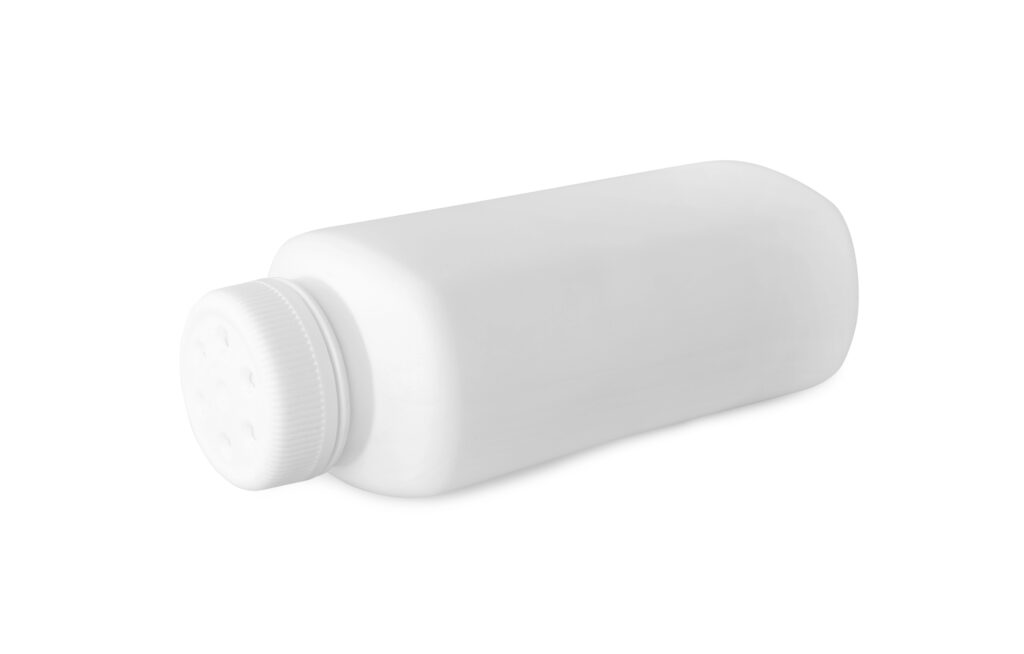
How Does Child-Resistant Packaging Work?
The term “child-resistant” does not mean “child-proof.” A determined child with enough time might eventually figure out how to open a container. The goal is to make it difficult enough for most children under five to open within a reasonable time frame, while still allowing adults to access the contents without too much trouble.
The most common mechanism is the “push-and-turn” cap. This design requires two distinct motions to be performed at the same time: pressing down on the cap while twisting it. This co-ordination is something most young children have not yet developed, making it a highly effective deterrent. Other designs might include squeeze-and-turn caps or latches that require a specific sequence to unlock.
The key is balancing security with accessibility. Packaging safety standards (UK) ensure that while these containers are tough for kids, they remain manageable for adults, including those who may have reduced grip strength or arthritis. It’s a clever piece of engineering that quietly works to protect families every day.
The Role of Packaging in Wellbeing Products
In recent years, the market for wellbeing products like vitamins, supplements, and herbal remedies has grown enormously. As we bring more of these items into our homes, the need for responsible packaging has become even more critical. When you purchase a wellbeing product, you are placing your trust in that brand not only for its health benefits but also for its commitment to safety.
Wellbeing product packaging must do more than just look appealing on a shelf; it has to be a guardian of the product inside. Consumers rightly expect that products designed to improve their health will not pose an accidental risk to the most vulnerable members of their household. Using child-resistant packaging demonstrates a brand’s responsibility and builds a deep sense of trust. It shows that the company has considered the entire lifecycle of the product, from its creation to its use in a family home.
Why HDPE Bottles Are Commonly Used
If you look at the packaging for many supplements or pharmaceutical products, you will likely see a small recycling symbol with the number ‘2’ inside. This indicates the material is High-Density Polyethylene, or HDPE. There are several reasons why HDPE bottles are a popular choice for child-resistant and wellbeing product packaging.
First, HDPE is incredibly durable and impact-resistant. It won’t easily shatter if dropped, which is an important feature in a busy household. It is also lightweight, making it efficient to transport and easy to handle. Furthermore, HDPE is compatible with a wide range of child-resistant closures, allowing manufacturers to seamlessly integrate push-and-turn caps and other safety features into their designs. Its non-reactive nature also makes it suitable for storing a variety of wellbeing products without affecting their quality or potency.
Meeting UK Safety Standards
In the UK and Europe, there are strict regulations governing the packaging of potentially hazardous products. Packaging must undergo rigorous testing to be certified as child-resistant. These tests involve panels of young children who are given the packages to try and open. If a significant majority of the children cannot open the package within a set time, it passes the test.
Compliance with these packaging safety standards (UK) is not optional; it is a legal requirement for many product categories. This ensures a consistent and reliable level of protection across the market. When you see child-resistant packaging on a product, you can be confident that it has been tested to meet high safety benchmarks.
Making Safer Choices for Your Home
Child-resistant packaging is more than just a lid; it’s a vital safety feature that helps protect our curious children from harm. It reduces the risk of accidental ingestion and provides parents and caregivers with invaluable peace of mind. From the intelligent design of a push-and-turn cap to the durable structure of HDPE bottles, every element works together to create a safer home environment.
The next time you are shopping for household or wellbeing products, take a moment to look at the packaging. By choosing items that feature child-resistant designs, you are making a simple but powerful decision to protect your family. It is one of the many small steps we can take to ensure our homes remain safe havens for everyone inside.