Widely-regarded as icons of the 20th century, flappers have gone from demonised to deified over the last 100 years. Although certain elements of the flapper uniform are no longer in style (looking at you, dropped waistline), there are a lot of ways you can become a flapper today.
Let’s dive right in.
Disclaimer: This is a sponsored post
Flapper dresses
Dresses were a staple of the 20th century woman’s wardrobe. Young flappers in particular, however, were stepping out of the ordinary to show their individuality. Two-part ‘suits’ became very popular, with a matching jacket and skirt. The skirts of flappers were regarded as scandalously short, sitting right at the knee. Don’t forget that this is in a time where, only 10 years prior, it was standard for women to wear corsets and bustles; think of Kate Winslet in Titanic.
Of course, you can’t talk about flappers and dresses without talking about the popular 21st century image of what a flapper wore. The straight-up-and-down dresses covered in sequins and fringe are considered typical of the flapper wardrobe. And to an extent, they are. Beaded designs are certainly an essential for a flapper dress. An easy way to incorporate this into your style is to try out a beaded, architectural dress or skirt.

Flapper hair and makeup
Flappers were considered rather unsavoury (by the older generations – surprise, surprise) in large part because they wore ‘excessive’ makeup. By today’s standards, flapper makeup looks are obviously considered to be more conservative. Some rouge on the cheeks. A colour on the lip, and, boldly, a more liberal use of eyeliner and mascara typified the makeup of the flapper era.
The best way to recreate this now is to add some drama into your eyebrows and a bold colour on your lip. The popular brow styles of the time are a stark contrast to the thicker brows that are currently preferred. Thinner eyebrows are on the rise once more, however, and you can get ahead of the game by incorporating the flapper styles in your makeup routine now.
As far as hair goes, the boyish, short, cropped styles were all the rage. A direct rebellion from the long hair that had been the accepted standard for all women in the western world for centuries. There’s something therapeutic about making a drastic cut to your hair. If you want to radiate flapper energy, it’s time to embrace that therapy.
Accessories
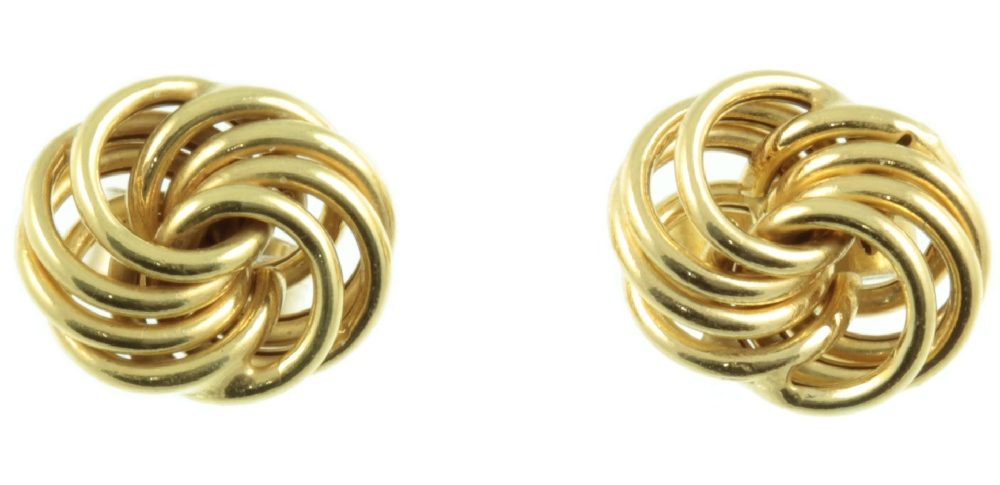
Jewellery was a big part of a flapper’s aesthetic. Sautoir necklaces, usually pearl and diamond pendants that hung below the bellybutton, were one of the many pieces that were staples of the time period. Another is Art Deco brooches. These are truly stunning pieces of jewellery that stand the test of time.
The Art Deco period, spanning much of the first half of the 20th century, resulted in jewellery that was architectural and completely unique. Brooches in particular exemplify the Art Deco styles. Shapes like squares and circles are used to build up a complex design that’s very pleasing to the eye. Flappers embraced Art Deco styles into their aesthetics. The Art Deco movement being a celebration of advancement and progression in and of itself.
Another essential accessory for any decent flapper is a hat. The hats favoured by young women of the time were called cloche hats. Similar to the bucket hats of today, these hats sit close to the face with a bold brim extending over the forehead. More headwear can be found through the turbans that flappers loved to sport also.
Lifestyle
The last essential that must be covered is the lifestyle of a flapper. Flappers were largely financially independent, with young women entering the workforce just as men had done before them. They were faced with the accusations of being unintelligent, unladylike, and amoral. Flappers – with their revolutionary independence – represented a threat to conventional society, where women were the objects of their fathers and husbands, always being controlled by the men around them.
It’s important to embrace the revolutionary side of flappers, endeavouring to do what you can to further progress in your own society. Carrying the name of flapper means more than pushing the envelope for what is acceptable female behaviour; it means holding your society accountable and encouraging it forwards into a more inclusive, diverse world.
Flappers of the future: we salute you!