Getting enough sleep is essential for teenagers, but how much is enough? How long does a teenager really need to sleep? The teenage sleep marathon has parents and researchers alike wondering just how many hours teenagers really need to sleep.
With the demands of school, extracurricular activities, and social lives, it can be challenging for teenagers to get the recommended amount of sleep each night. Research suggests that teenagers should aim for around 8-10 hours of sleep per night to promote optimal health and well-being. However, many teenagers fall short of this target, often due to early school start times, the pressures of homework and studying, and the allure of electronic devices.
Lack of sleep can have significant consequences for teenagers, including decreased academic performance, impaired mood and behaviour, and increased risk of obesity and mental health issues. Understanding the importance of sleep and its impact on teenage development is crucial for parents, educators, and healthcare professionals. In this article, we will dive deeper into the science behind teenage sleep needs, explore the factors that can affect sleep duration, and provide practical tips on how teenagers can prioritise sleep in their busy lives. Join us as we unravel the mysteries of the teenage sleep marathon and discover how to support healthy sleep habits for our teenagers.

Recommended Sleep Duration for Teenagers
While the exact amount of sleep that a teenager needs can vary depending on individual factors, experts generally agree that teenagers should be getting between 8 to 10 hours of sleep per night.
The sleep technology firm Simba has teamed up with The Sleep Charity’s Lisa Artis, to help parents navigate the nocturnal nuances of teens and sleep. They suggest that teenagers need to aim to get between eight and ten hours of sleep each night. What’s more, the optimal time for your teenager to hit the sack falls between 8pm and midnight. This timing allows for ample non-REM sleep, which is crucial for our peak functioning. Delaying bedtime beyond this window could result in a lighter sleep, affecting the overall quality of rest.
However, despite these recommendations, many teenagers are not getting the sleep they need. This lack of sleep can have significant implications for a teenager’s mood, behaviour, and academic performance.
Getting the right amount of sleep is particularly important during the teenage years because it allows for sufficient REM (Rapid Eye Movement) sleep. REM sleep is a stage of sleep where dreaming occurs, and it plays a crucial role in memory consolidation and learning. Without enough REM sleep, teenagers may struggle to remember what they have learned during the day and find it harder to concentrate and perform well in school.
So, while the exact amount of sleep a teenager needs can vary, the consensus among experts is that most teenagers need between 8 to 10 hours of sleep per night. Ensuring that teenagers get this amount of sleep can help support their cognitive development, academic performance, and overall well-being.
Factors Affecting Teenage Sleep Patterns
Teenage sleep patterns can be influenced by several factors. For instance, the natural shift in the circadian rhythm during adolescence often turns teenagers into “night owls,” making it difficult for them to fall asleep early.
Extracurricular activities and having a part-time job can also interfere with sleep schedules in the teen years, as can the use of electronic devices. The blue light emitted by mobile phones and other screens can disrupt the body clock and delay sleep onset. Furthermore, social media and video games can keep teenagers engaged and awake late into the night.
Common Sleep Disorders in Teenagers
Sleep disorders are conditions that prevent a person from getting restful sleep and, as a result, can cause daytime sleepiness and dysfunction. They are surprisingly common in teenagers, with several types frequently reported.
Insomnia
Insomnia, the inability to fall asleep or stay asleep, is one of the most common sleep disorders in teenagers. It can be caused by a variety of factors, including stress, anxiety, depression, or maintaining an irregular sleep schedule.

Obstructive Sleep Apnea
Sleep apnea is another sleep disorder that can affect teenagers. Particularly, Obstructive Sleep Apnea (OSA) is a serious and even life-threatening condition. It involves intermittent blockage of the airway during sleep, causing breathing to stop and start repeatedly, leading to frequent awakenings. If left untreated, it can lead to heart problems, poor school performance, and mood disorders.
Restless Legs Syndrome
Restless Legs Syndrome (RLS) and Periodic Limb Movement Disorder (PLMD) are also prevalent among teenagers. RLS is characterised by an irresistible urge to move the legs, particularly when lying down. PLMD involves involuntary leg twitching or jerking movements during sleep, which can cause significant sleep disruption.
Narcolepsy
Narcolepsy, although less common, can also affect teenagers. It is a neurological disorder that affects the control of sleep and wakefulness. Teens with narcolepsy are often very sleepy during the day and may experience sudden sleep “attacks” that cause them to fall asleep, lose muscle control, or see vivid dreams at sleep onset, known as hypnagogic hallucinations.
Parasomnias
Parasomnias, such as sleepwalking, sleep talking, night terrors, and nightmares, are also common in teenagers. These disorders involve unwanted events or experiences that occur while falling asleep, sleeping, or waking up.
Sleep disorders are quite common during the teenage years and can have a significant impact on a teenager’s overall health and daily functioning. These disorders must be recognised and treated appropriately to ensure that teenagers can achieve optimal sleep for their growth and development.
Consequences of Sleep Deprivation in Teenagers
Sleep deprivation is a serious issue among teenagers and can have substantial effects on various aspects of their lives. Chronic lack of sleep or poor-quality sleep can lead to numerous physical, mental, and emotional consequences.
Sleep deprivation can significantly impact a teenager’s mental wellbeing. Furthermore, insufficient sleep can lead to mood swings, behavioural problems, and increased emotional reactivity. Teens who do not get enough sleep may experience a decline in mood, and sleep loss can even lead to symptoms of depression.
Addressing Sleep Challenges in Teenagers
Teenagers who struggle with sleep issues might benefit from consulting a sleep specialist. Cognitive-behavioural therapy (CBT) has been found effective in treating insomnia and other sleep disorders. In some cases, changes in school schedules, such as later start times, may also help teenagers get enough sleep.
Tips for Improving Teenage Sleep Quality
Helping teenagers get quality sleep can be a challenge. However, with simple tweaks in their lifestyle and habits, it’s possible to improve sleep quality, thereby improving their overall health and academic performance. Here are some great tips from Simba and The Sleep Charity to help your teen (and the whole house) get a better night’s sleep:
Maintain a Regular Sleep Schedule
One of the most effective ways to improve sleep quality is by maintaining a regular sleep schedule. Going to bed and waking up at the same time every day, not just on school nights, helps regulate the body’s internal clock and can improve sleep quality. If their bedtime has been getting later and later, try and bring bedtime forward gradually by 15 minutes every three nights.
Limit Screen Time Before Bed
The blue light emitted by phones, tablets, computers, and TVs can interfere with the production of melatonin, the hormone that regulates sleep. Experts recommend turning off screens at least an hour before bedtime to help teens wind down and prepare for sleep. Remove electronics from their bedroom to avoid temptation!

Create a Sleep-Friendly Environment
Creating a comfortable, dark, and quiet sleep environment can significantly improve sleep quality. This includes having a comfortable mattress like the Simba Hybrid®, Organic or Simbatex® Foam, reducing bright lights, and minimising noise.
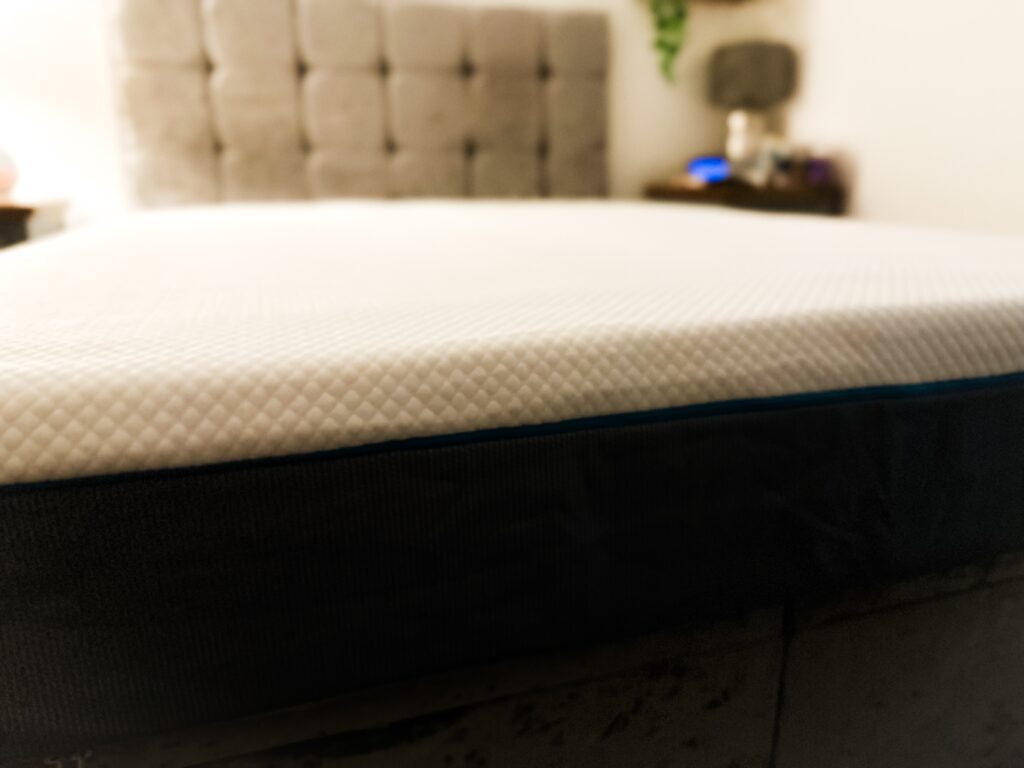
Consider investing in Simba’s award-winning Hybrid® mattress range, designed to accommodate various budgets and offer enhanced luxury and high-end features. The revolutionary Simba Hybrid® mattress, is known for its groundbreaking comfort and state-of-the-art solutions for heat dissipation. This mattress boasts unique titanium Aerocoil® springs and cooling Simbatex® foam. Plus, it features a washable, hypoallergenic sleep surface – an ideal choice for teenagers.
As your child grows, you might want to consider upgrading from a single to a double bed, if space permits. This upgrade can give them room to stretch out during the night. When selecting a double mattress, don’t forget to consider the bed frame and the support it offers. Simba bed bases are built with Simba Flex – a responsive suspension system with triple cushioning, featuring narrow and wide slats to provide optimum support for the shoulders and lower back.
Keep their Room Dark at Night
Understanding our body’s natural sleep cycle is key to helping your teenager get a better night’s rest. The circadian rhythm, our internal body clock, is heavily influenced by light and darkness. As the night falls, our bodies start producing melatonin, a hormone that promotes sleep. Conversely, daylight suppresses melatonin production, signalling our bodies it’s time to wake up.
To capitalise on this natural process, ensure your teen’s bedroom is as dark as possible at night, fostering an environment conducive to sleep. In contrast, encourage them to open the curtains or blinds fully in the mornings to invite the daylight in, suppressing melatonin and aiding wakefulness.
Consider investing in a SAD alarm clock or a timed wake-up light that imitates sunrise. These devices can help your teenager wake up more naturally, in harmony with their body’s circadian rhythm. Likewise, dimming the lights in the evening can cue the production of melatonin, making your teen feel sleepy when bedtime rolls around. With these simple changes, you can support your teenager’s sleep health and overall well-being. Some teenagers may find using earplugs or eye masks helpful if there is unavoidable noise or light in their sleeping environment.
Crack Open the Bedroom Window
A stale, poorly ventilated room can lead to elevated CO2 levels, subpar sleep, and grogginess upon waking. Introducing fresh air enhances sleep quality and fosters an optimal environment for study by improving focus. If it’s too cold to keep a window ajar, consider using a standalone HEPA filter. It purifies the air by eliminating pollen, pollutants, and viruses, thereby aiding those with seasonal allergies or asthma.
Keep Them Cool in the Summer Months
Achieving quality sleep during the summer can be a hurdle when temperatures soar. High heat can compromise our sleepy teen’s body’s natural cooling process, leading to restlessness, difficulty falling asleep, and frequent awakenings throughout the night.
To help your teenager combat the heat and ensure restful sleep during balmy summer nights, lower the bedroom temperature and opt for breathable cotton linens along with a cooling mattress. Simba’s innovative Aerocoil® springs are designed to enhance airflow and ventilation within their Hybrid mattresses. The mattress comes in all sizes, including the Simba kingsize mattress.
Consider the Simba Summer Hybrid® Duvet as well. This lightweight, 4.5 Tog Simba hybrid duvet delivers just the right amount of down-like comfort to envelop them in sleep without feeling too heavy during the warmer months.
The Simba temperature regulating duvet incorporates clever Stratos® cool-touch technology on one side, which makes the fabric feel instantly cool upon contact. It also reacts to body temperature by dissipating excess heat, keeping your teenager cool and dry (even with a duvet cover on). This ensures they always stay at the perfect temperature.
Furthermore, the new Simba Stratos Pillow provides a premium sleep experience without breaking the bank. Similar to the Summer Hybrid® duvet, the pillow features a cool, sleep side treated with advanced Stratos® technology that feels refreshingly cool to the touch during humid summer nights. It also offers a wonderfully soft, cushioned support for the head and neck.
Avoid Stimulants
Teenagers should avoid caffeine and energy drinks, particularly in the late afternoon and evening, as these can interfere with falling asleep. Nicotine and alcohol will also interfere with sleep and should of course be avoided.
Encourage Physical Activity
Regular physical activity can help teenagers fall asleep more quickly and enjoy deeper sleep. A mere 20 minutes of exercise three times a week can create a world of health benefits. Instead of allowing them to spend hours gaming, encourage them to take breaks for some movement. The key here is to find something they genuinely enjoy.
Team sports can be a fantastic choice, fostering not just physical fitness but also teamwork and social skills. However, I realise that not every teen is drawn to sports and athletics. If your child prefers solitude or less competitive activities, there’s no need to worry. There are myriad activities they might find engaging.
Even gentle exercises like walking a dog, cycling, scooting, skateboarding, or stand-up paddleboarding can do wonders. These activities not only get them moving but also offer the chance to breathe in some fresh air. Ultimately, the goal is to make exercise enjoyable so it becomes a habit rather than a chore for your teenager.
Establish a Bedtime Routine
A relaxing routine before bedtime can help signal the body that it’s time to sleep. This could include reading, listening to quiet music, taking a warm bath, or practising meditation or mindfulness.
In conclusion, improving teenage sleep quality requires a combination of maintaining consistent sleep schedules, creating an ideal sleep environment, mindful habits, and lifestyle changes. These strategies can help teenagers get the recommended amount of sleep, leading to better health and improved academic performance.
Conclusion: Prioritising Teenage Sleep for Overall Well-being
Prioritising sleep during the teenage years is essential for overall well-being. Not only does it support cognitive function and emotional health, but it also plays a crucial role in physical development. By understanding the importance of sleep, recognising the signs of sleep disorders, and implementing strategies to improve sleep quality, teenagers can set the stage for good health and success in their adult lives.