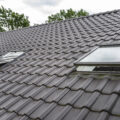
Every roof is subject to different weather challenges depending upon its location, yet far too many building practices aggregate roofing into a one-size-fits-all solution. For example, a roof system designed in Arizona where it’s dry and hot fails catastrophically in Minnesota where there is freezing and thawing; equally, a coastal installation must contend with salt and hurricane-force winds that an inland building will never face.
Assessing the climatic conditions of an area requires more than just added shingles of different colors or a hose to spray on roofs to get melting ice off by spring. It requires definitive changes in how roof systems are created, specified, detailed, and constructed. The better systems recognize that each climatic zone poses unique demands that inform materials, structure and implementation.

Snow Load Challenges and Thermal Implications
Northern climates represent some of the toughest challenges for roof systems, requiring stronger structural systems for heavy snow loads. However, beyond thermal loads and ice formation are some of the biggest challenges. Poor thermal performance – where warm air from inside the building meets cold on top of roofs – can result in ice dams, condensation issues, and significant energy loss.
Therefore, critical insulation levels must not only be R-rated with respect to performance. Thermal performance relies heavily upon proper installation and detailing for roof penetrations as to whether a system works or fails. The biggest area of concern is thermal bridging – any point at which there is direct access from interior to exterior uninsulated becomes a cold point that turns into condensation, then ice.
Thus, in northern climates, when skylights or other penetrations are installed in roofs, using a skylight insulated curb prevents the heat loss that would otherwise occur through the mounting system. Thermal bridging – a point where there is no insulation between an area – occurs through the thermal barrier; creating a continuous thermal barrier through insulated approaches prevents the bridging from occurring that creates condensation and subsequent icing problems. This preserves roof temperature consistency.
Similarly, when applying vapor barriers and air sealing in cold climates, the approach differs from others. Vapor control from the interior must occur without letting moisture condense within the roof assembly – which means that vapor permeable and impermeable considerations must be seamlessly coordinated for a successful application.
Hot Climate Challenges and Energy-Efficient Considerations
Deserts and hot climates, on the other hand, face the opposite challenge – the need to prevent heat gain, maintain stabilization of materials through extreme temperature changes and regulate material degradation via UV exposure. Roof membranes can climb upwards of 160°F daily via direct sunlight.
Reflective materials become critical; however, thermal expansion causes stresses which eventually decay structures over time unless proper attention is applied to flexible connections. Ultimately, materials that maintain flexibility at high temperatures initially cost more but pay off down the line as cracks don’t form which allow separation in cheap alternatives to destroy roofs over time.
Climate also helps determine ventilation strategies. Often, in cold climate roofs sealed attics exist; however, in hot climates there may be an active need to ventilate heat to avoid suffocating conditions – however, allowing dust in must be avoided to prevent breaches in air conditioning efforts.
The means by which UV protection impacts exposed components – roofing materials and flashing – become critical components in hot climates as well. Many materials that perform adequately in moderate climates fail due to brittle compositions through expansive UV exposure.
Coastal and High Wind Areas
Coastal areas offer the worst of several challenges – areas exposed to salt air degradation and significant wind as well as driving rain – and high humidity factors present without much opportunity for drying out some cheap options fail compared to proper solutions.
For example, wind uplift determines whether roofs can stay on; this means stronger attaching methods are required as well as better edge details and penetrations than would otherwise be needed. A skylight installed perfectly in place on an inland building may require extensive work in coastal areas just to ensure that the siding does not rip off over time.
Salt air creates corrosion of metal components faster than other areas – either alloys are required or protected coatings which are extremely costly. Fasteners used elsewhere for decades fail within months in marine environments.
Moisture management becomes a reality based upon differing correlations. Vapor barrier approaches come from normal climates where moisture needs control but in high humidity they assume moisture can’t get out when it should. Different plans must exist when dealing with air.
Continental Humid Climates
Regions that contain hot months and cold winters create significant distinction for roof systems because they must endure extremes on both ends. The most consistent thermal stress occurs here where the material must contract significantly when it’s cold but fully expand when it’s hot and that takes days, sometimes weeks longer than expected.
Humidity control becomes essential during both summer and winter conditions relative to roofs. For example, summer humidity pushes things into roofs whereas in winter things become trapped; subsequent damage occurs from poor ventilation without adequate vapor management.
Effective prevention of thermal bridging remains critical but for different reasons than colder climates without humidity. For example, excessive heat gain due to thermal bridging creates massive cooling costs; excessive heat loss due to compromised areas creates ice dams/condensation issues.
Installation Differences Over Climate
Climatic responsive roofing systems extend beyond material selection to installation methods and detail designs which compensate based upon local conditions. Fastening patterns, sealant types, approaches to flashing differ widely.
In cooler climates it’s all about ice dam prevention; in warmer climates it’s thermal expansion; in coastal areas it’s UV connection while other areas don’ t need any consideration for separation.
Even basic details transform into good/bad options based on climate needs. A roof penetration flashing done in moderate climates would require extra sealant for driving rain; thermal expansion joints for desert climates; upgraded materials for salt air.
Long-Term Performance Differences
Different climates create different systems with different maintenance requirements with performance expectations. Arizona climates might require minor maintenance after decades but efforts might be within ten years for northern climates harsh on those shingles/roofs.
Performance difference advantages help determine effective system selection initially for long-term financial considerations down the line. Climate responsible systems cost more upfront but effective value warrants such considerations because the performance requires most successful value for good.
Ultimately, climate-responsive roofing systems benefit from an honest assessment of the challenges each climate brings and subsequently fine-tune systems manufactured/taken into consideration which would otherwise not add up without realistic selection strategies responsible for successful value for good.
Climate-responsive roofing systems reflect a more sophisticated sense of building performance responsive to regional necessities which vary vastly from one climate to another.