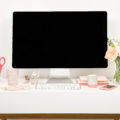
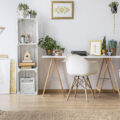
In today’s dynamic work landscape, the home office is no longer a temporary fix but a permanent fixture for millions. Your desk isn’t just a surface; it’s the foundation of your productivity, comfort, and, ultimately, your professional success. Choosing the right one is crucial, yet it’s often an overlooked decision. This 800-word guide will walk you through the key considerations, from space and ergonomics to style and storage, ensuring you select the perfect piece to anchor your working environment.
Assessing Your Home Office Space and Needs
Before you fall for a beautiful design, you need to take a sober look at the practicalities of your space and your specific workflow. A desk that dominates a small room or offers too little room for your equipment is a recipe for frustration.
Measuring Up for the Perfect Fit
The first step is measuring the area where the desk will sit. Consider not just the width and depth of the available space, but also the circulation area around it. Will you need room for office chairs to move freely? Will you be facing a wall or a window? Jot down maximum allowable dimensions for width, depth, and height.
Beyond dimensions, think about the shape. Rectangular desks are the most common and offer straightforward placement. L-shaped desks are fantastic for utilising a corner and offering a generous work surface for those who need multiple monitors or to spread out documents. They naturally create a defined workflow area.
Defining Your Workflow and Equipment
What exactly do you need to do at your desk? A minimalist setup involving only a laptop will require far less surface area than a creative station with multiple monitors, a graphics tablet, and dedicated audio equipment.
- Minimalist: Focus on compact designs that maximise vertical space, perhaps with shelving.
- Multi-Monitor/Creative: Prioritise depth and width to comfortably accommodate screens and peripherals, ensuring you can maintain an ergonomic viewing distance.
- Paper-Heavy: Look for built-in drawers and filing cabinets or ample space underneath the desktop for separate storage units.
Ergonomics: Investing in Your Well-being
A key feature of a professional home office is the focus on posture and health. A well-chosen desk works with your body, not against it.
Standing Desks vs. Traditional Desks
The debate between sitting and standing is a major consideration. Standing desks, particularly electric sit-stand models, offer the ultimate flexibility, allowing you to easily switch between sitting and standing throughout the day. This movement can significantly reduce back pain and improve focus. While they are a greater upfront investment, the long-term health benefits often justify the cost.
If a dedicated standing desk isn’t in your budget or aesthetic, a quality traditional desk with an ergonomic chair is still an excellent choice. Ensure the desk height allows your elbows to rest at a $90^\circ$ angle with your feet flat on the floor or a footrest. Standard desk height is typically around 73-75 cm, but check your chair and personal height before committing.
Style and Material: Form Meets Function
Your desk should complement the overall aesthetic of your home, especially if it sits in a multi-purpose room. The material choice impacts not only the look but also the durability and cost.
Popular Desk Materials
- Wood: Timeless and sturdy. Solid wood is a premium choice known for its longevity, while wood veneer offers a similar look at a lower price point.
- Metal: Excellent for modern, industrial, or minimalist spaces. Metal frames are incredibly durable and often feature in height-adjustable desks.
- Glass: Offers a sleek, contemporary look and makes a small room feel more open. However, it’s less durable, can be prone to fingerprints, and provides less tactile warmth than wood.
For those favouring a blend of rustic charm and modern clean lines, a piece with a solid wood top and sleek metal legs, like a hairpin desk, offers a stylish and space-efficient solution that works well in contemporary or Scandi-inspired homes.
Storage Solutions and Cable Management
Clutter is the enemy of concentration. The right desk will help you keep your workspace tidy, both above and below the surface.
Drawers, Shelves, and Compartments
Decide how much storage you truly need at your fingertips. Integrated drawers are handy for immediate access to pens, notebooks, and small electronics. Built-in filing drawers are a bonus for keeping physical documents organised. If you only need minimal storage, a simple desk with an open shelf or two might suffice, maintaining an airy feel.
The Hidden Necessity: Cable Management
In the age of multiple devices, managing cables is critical for both aesthetics and safety. Look for desks with built-in cable trays, grommets (holes with plastic covers for wires), or channels underneath the desktop. These features keep power cords and charging wires contained, preventing a tangled mess that can detract from your professional environment.
Conclusion: Making Your Final Choice
Choosing the right home office desk is a balance between utility, comfort, and style. Begin by accurately measuring your space and defining your day-to-day workflow. Prioritise ergonomics, especially if you spend long hours working, by considering a sit-stand model or ensuring the height of a traditional desk is correct for your seated posture. Finally, select a material and style that suits your home and offers the right balance of integrated storage and cable management. A little forethought now will result in a comfortable, productive, and aesthetically pleasing workspace that supports your work for years to come.