
Do you love spending time outdoors, but can’t decide between backpacking and camping? If so, you’re not alone! While both offer a great way to explore nature and spend quality time with friends or family, there are some key differences between these two activities that you should consider before deciding which is right for you. Let’s dive in and explore the pros and cons of each approach. Here’s our take on backpacking vs camping:
Disclaimer: As an Amazon Associate I earn from any qualifying purchases.
Backpacking vs Camping: What are the main differences and what is right for you?
Backpacking and camping are two popular activities that allow people to explore and enjoy the great outdoors. Although they share some similarities, there are important differences between them when it comes to cost, gear requirements, weather conditions, and more. In this blog post, we’ll take a closer look at both backpacking and camping so you can decide which one is right for you.
Backpacking
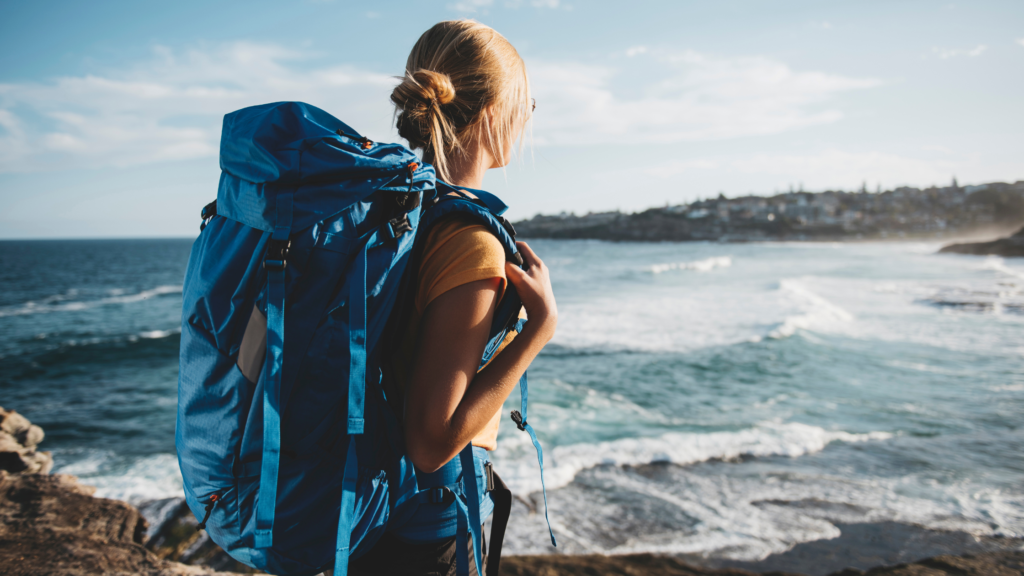
Backpacking is an incredibly rewarding experience that allows adventurers to explore remote places that may otherwise be inaccessible. And for those seeking a break from the hustle and bustle of city life, there is no better option than backpacking. A backpacking trip can take you to amazing places. It will allow you to experience nature in its purest form, and give you time to relax and reflect.
By carrying your supplies and equipment with you on your back, you don’t need to worry about setting up camp at a specific campsite. Although this does mean more physical exertion than regular camping, it also means having more freedom to find the best views and discover hidden gems along the way. One of the biggest advantages of backpacking is that it allows for greater flexibility. If conditions change unexpectedly (such as bad weather or a difficult trail) then you can easily adjust your route without worrying too much about having to go back to your campsite.
Why go Backpacking?
Backpacking trips provide more than just an escape from everyday life. They also offer a unique opportunity to explore natural landscapes, meet new people, challenge yourself physically and mentally, learn new skills such as navigation or wilderness survival, and gain a greater appreciation for nature’s beauty. It’s also a great way to reduce stress levels while getting some much-needed exercise. A long hike is also a fantastic mental challenge for anyone who loves outdoor activities. It can make a significant difference to your wellbeing and is the perfect choice for active outdoor lovers.
What are the disadvantages of backpacking?
One potential downside is that everything needs to be carried on your back. There isn’t much room for luxury items such as comfy furniture or large cooking apparatus. Also before you go packing your bags and heading out into the wilderness, it’s important to understand the rules and regulations around wild camping that you need to be aware of for backpacking in the UK.
Wild Camping Regulations in the UK
Backpacking allows you amazing freedom to explore long distances but it’s important to consider that you are abiding by the laws in the UK and are allowed to set up camp. So when it comes to backpacking if you are considering wild camping in the UK, understanding the regulations is key. In general, wild camping is allowed on private land provided that permission is obtained from the landowner. On public lands such as national parks or common-land areas, however, wild camping without permission is not permitted. Scotland is an exception.
When it comes to campfires, always check with local authorities for any fire restrictions in place due to weather conditions or other reasons. Furthermore, when using public land for wild camping ensure that all rubbish is packed away with you.
Backpacking can be both exhilarating and rewarding but with these experiences come responsibilities. Understanding the local rules regarding wild camping in the UK will help ensure that your backpacking adventure is both enjoyable and responsible.
Tips for beginner backpackers
Embarking on your first backpacking adventure is undoubtedly an exciting and empowering experience. But your first time backpacking can also be a little daunting when you’re just starting out. To set yourself up for success, it’s essential to equip yourself with some beginner-friendly tips. First and foremost, invest in a lightweight, high-quality backpack, as it will serve as the foundation for your journey. Once you have the right pack, focus on learning how to pack it efficiently – this will enable you to comfortably carry all your belongings without any unnecessary weight or bulk. When selecting your travel essentials, prioritise versatile items that can serve multiple purposes, and practise the art of layering to:
- Stay comfortable no matter the weather
Backpacking can be an incredible adventure, but unpredictable weather can quickly dampen your spirits. Luckily, there are things you can do to stay comfortable in any condition including cold weather. Layering your clothing is key to regulating your body temperature and staying dry. A good rain jacket and waterproof boots are a must for staying dry in wet weather. Be sure to pack lightweight and breathable clothing that dries quickly, especially if you’re backpacking in a humid or wet climate. Finally, don’t forget a warm hat or beanie and gloves to keep your extremities warm in chilly conditions. With the right gear and the right mindset, you can stay comfortable on even the toughest backpacking trips.
- Pack only essential items
Remember to pack light but smart, prioritising necessary items such as a first aid kit, water bottle, lightweight food and dehydrated meals, and water purification tools. Bring a map and a compass and get acquainted with them to be well-oriented in your surrounding environment.
- Pace yourself
It’s also a good idea to pace yourself and allocate enough time to rest and explore the places you visit, which will ultimately lead to a more enjoyable backpacking experience.
Gradually ease yourself into the world of backpacking by choosing an easy and well-populated trail while ensuring you have the proper gear and clothing to stay safe and comfortable despite unpredictable weather.
- Do your research
Of course, planning is essential, so we recommend doing extensive research about your chosen destination. This includes the terrain, safety precautions, and potential challenges. Know where your water sources are and remember to allocate enough time to rest and explore the places you visit. This will ultimately lead to a more enjoyable backpacking experience.
- Let someone know your travel plans
Most importantly, always inform someone about your travel plans and estimated return dates.
- Embrace the adventure
And finally, embrace the adventure with an open mind, allowing yourself to learn, grow, and create lifelong memories!
Backpacking Tent
For backpacking, having a quality tent is paramount to ensure a comfortable and safe camping experience. Purchasing the best tent for backpacking can make all the difference during your outdoor excursions. It should be waterproof, fire-resistant and bug-proof. The setup should also be easy to do alone and come with plenty of ventilation options as well as privacy pockets. Luckily, there are many backpacking tents available on the market today that suit any backpacking budget or style. Before selecting the right backpacking tent for your needs, it’s important to consider the weight of the tent and the type of environment that you hope to use it in.
Lightweight backpacking tents are suitable for light trekking but may not be as suited to dense forest campsites or in windy climates. Heavier backpacking tents generally provide more stability and protection against environmental elements but come with bulkier weights.
It’s always a good idea to select lightweight tents that are versatile enough for multiple situations and can stand up to its advertised performance standards. Look for backpacking tents that include additional features such as rainflys and seam sealing for maximum cosiness needed on the trails. With the proper backpacking tent, backpacking trips can be enjoyable and comfortable no matter where your adventure takes you!
Lightweight backpacking tent: The GEERTOP 4-season 2-person 20D Lightweight Backpacking Alpine Tent


This waterproof tent is perfect for backpacking weighing just 2.8 kg. It’s small, compact and lightweight enough to be carried in your backpack. The Geertop 2-person 4-season tent is made of 20D PU8000 mm waterproof coated nylon for the outer tent and 210T PU 5000 mm waterproof coating polyester for the tent floor. It is, able to withstand strong wind or snow at high altitudes. The 4 season tent comes with an integrated snow guard, perfect for heavy snow, and breathable nylon mesh that makes it ideal for cold, snowy or warm weather. The double stitching and taped seams ensure a waterproof seal in cold weather; with strong and sturdy aluminium poles. The double-layer tent comes with an inner tent plus an outer tent and can be set up by one person in minutes.
Backpacking Sleeping Bag
One essential item for any backpacking trip is a high-quality sleeping bag. Not just any sleeping bag will do, however. You need one that is specifically designed for backpacking. These sleeping bags are lightweight, packable, and provide sufficient warmth for your outdoor adventures. Whether you’re planning a multi-day trek, a day hike through the mountains, or a weekend camping trip in the woods, a backpacking sleeping bag is a must-have item for any serious adventurer. So, invest in a quality bag and rest easy, knowing that you’ll be comfortable no matter where the journey takes you.
COVACURE Ultra Warm & Lightweight Sleeping Bag


The covacure sleeping bag shells are made of 210T durable polyester. The main thing why we love this sleeping bag is that it has as a water-resistant finish to prevent dampness. The inner material adopts a double-filled hollow fibre for ultimate warmth and comfort when you’re sleeping.It’s suitable for summer, autumn and early winter backpacking trips as it provides optimum comfort at 5°C and maximum temperature rating of 15ºC. Another important aspect is the snug-fitting hood which helps bring the bag closer to your head and body to keep you warmer. The double zipper slider makes it easy to expose your feet for extra ventilation, to keep you warm instead of hot, even in the hot weather.
Finally, the clips and straps keep it ultra-compact and it is very easy to roll into the Oxford Compression Sack, allowing for super convenience to store and carry.
Camping
Camping is a great way to experience nature without having to carry all of your gear with you. You can choose from a wide variety of sites depending on what kind of experience you’re looking for. From beachfront spots with amenities like showers and fire pits all the way up to small rural campsites where there are no services at all.
Why go Camping?
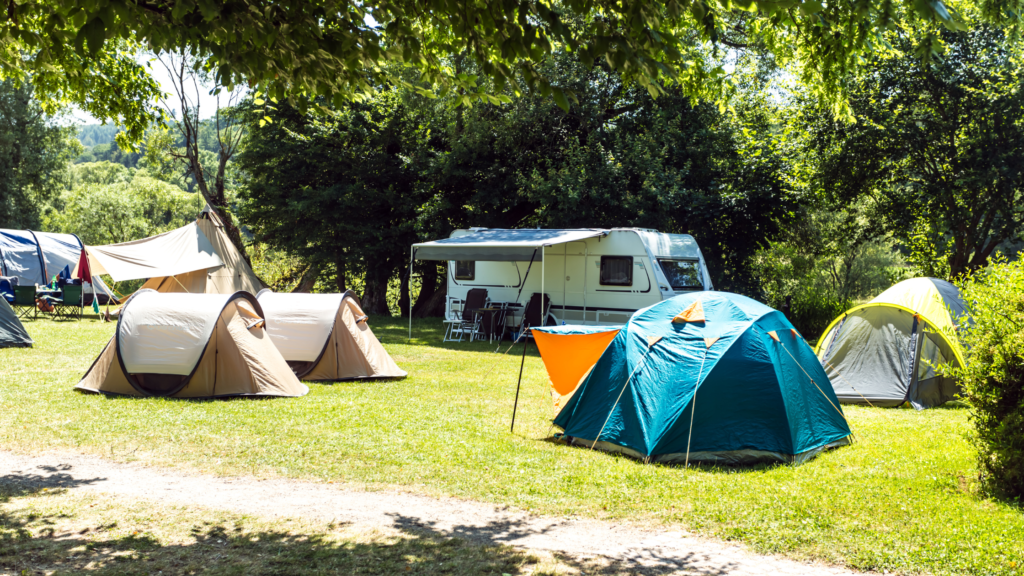
One of the biggest benefits of camping is that it allows you to enjoy all the beauty of nature without sacrificing any modern comforts. When you go camping, you don’t have to worry about carrying heavy gear or trekking across miles of terrain. Instead, you can simply set up a tent and relax by a campfire for the night. Plus, with access to running water, electricity (depending on where you camp), and other amenities, camping has all the creature comforts of home without requiring much effort or equipment.
Another benefit of camping is that it can be done virtually anywhere. From your own back garden to one of the UK’s beautiful national parks, there are plenty of options for every type of camper. Plus, if you want to get away from it all but don’t want to hike for hours on end, camping is an ideal way to experience nature in its purest form while still having access to necessities like food and shelter when needed.
Camping also allows for greater flexibility in terms of food preparation. Depending on where you go, it’s possible to cook meals over an open fire or even bring along camp stoves and BBQs for more gourmet meals.
One thing that sets camping apart from backpacking is safety. When you go backpacking, you often have no choice but to venture out into unfamiliar territory and navigate your own way through wild terrain. This can be daunting for many people who may not have much experience in such environments. This is why camping can be more appealing, especially if you have young children, as it eliminates this risk factor entirely. With established campsites available throughout the country (and abroad!), there’s no need to worry about getting lost. In addition, most campsites offer facilities and amenities like hot showers, toilets, washing up areas and picnic tables that make setting up camp convenient, and quick and easy so you can start enjoying your adventure right away!
What are the disadvantages of camping?
While camping and backpacking both offer the chance to immerse oneself in nature and escape the hustle and bustle of everyday life, there are some downsides to choosing camping over backpacking. One of the key differences is that camping often involves setting up a base camp in one location, meaning you may miss out on the opportunity to explore different parts of the wilderness. Additionally, camping usually requires more equipment and preparation, which can be a disadvantage for those who prefer to travel light without too much stuff. Finally, while camping provides some amenities like bathrooms and running water, it lacks the true sense of adventure and independence that backpacking offers.
Another drawback here is that if something unexpected happens (such as bad weather), then it might not be as easy or possible to just pack up and leave due to commitments like campsite reservations or group size considerations.
Despite these drawbacks, camping can still be a great way to connect with nature and spend quality time with friends or family in the great outdoors.
Camping Tent
When it comes to choosing a tent for your camping experience, you need to consider various factors based on your needs. If you are looking for a bigger tent that you can set up and stay in for an extended period, you should invest in a tent built for camping, rather than backpacking. A large tent usually offers more room for you to move around, and you can pack in all the gear you need without worrying about the tent’s weight. So, whether you’re going solo or with friends or family, a camping tent is the perfect home-away-from-home you want for a memorable camping experience.
Coleman Meadowood Air Tent


The Meadowood 4 Air is a family tent with a tunnel structure that is easy to pitch and provides a comfortable home for the whole family.The 4-person tent is 100% waterproof and equipped with 2 large sleeping cabins and a spacious, bright living area which is big enough for a camping table and four chairs.
This spacious family tent can be effortlessly set-up by 1 person in under 10 minutes, thanks to the Fast Pitch Air Technology.
The fully integrated PE floor in the living and sleeping areas ensures a clean, dry and bug-free camping experience. The tent materials used provide a high sun protection factor of 50+
The BlackOut Bedroom Technology offers an extra dark and cooler sleeping cabin. The special coating of the outer tent prevents up to 99% of daylight from entering the sleeping area. So you can sleep longer and better. In addition, the sunlight is blocked by the outer material and the dark sleeping area does not heat up as much on hot days. This ensures a cooler temperature inside the tent.
Camping Sleeping Bag
When it comes to camping, the right sleeping bag can make all the difference in getting a good night’s sleep. If you are planning a camping trip that does not involve any backpacking, then a sleeping bag designed specifically for camping is the way to go. The primary difference between these types of sleeping bags are that they are typically bulkier and heavier than those made for backpacking, but they also offer more comfort and warmth. They often come with additional features like pockets and hoods too. Investing in a quality camping sleeping bag will ensure you stay cosy and comfortable throughout the night so it’s a better choice for camping trips.
Winter 0 Degree Double Sleeping Bag


This double sleeping bag is cosy and warm with a super soft 100% cotton flannel inner lining which is skin-friendly and comfortable. It has a high-quality 550G/SQM hollow cotton filling and outer 300T water-resistant polyester shell. The sleeping bag will keep you comfy for the duration of your trip with its excellent warmth retention, tear-resistance and water resistance.
The Mcota winter 0-degree double sleeping bag is wider than a queen-size sleeping bag. With the size of 155x230cm, there are more space for a couple or family camping holiday.
Best of both worlds: Car Campers
For outdoor enthusiasts, the debate between camping and backpacking can be a tough one. Backpacking offers a rugged experience and a more immersive feeling of being in nature. On the other hand, camping provides an easier and more comfortable camping experience without having to sacrifice certain luxuries. However, there is a third option that combines the best of both worlds: car camping.


Comfort and Convenience
Car camping offers the luxury of convenience and comfort. You can bring as many supplies as you want since you have plenty of space in your car. You can have a comfy sleeping pad and a cosy sleeping bag. Moreover, you won’t have to carry your heavy gear or food in a backpack, which means you won’t have to worry about walking several miles with a 50-pound pack on your back. Car camping also means that you can have a cooler or stove to cook with, which will allow you to enjoy a delicious meal or a hot coffee.
Enjoy the Beauty of Wilderness
Car camping allows you to access the wilderness’s beauty without the hassle of carrying excessive gear. You can set up a campsite near a river or a lake, and you don’t have to worry about finding an appropriate campsite. You can simply pull up to any campsite or park, and voila – you are ready to spend a night under the stars. Car camping allows you to take the scenic route and visit hidden gems that aren’t easily accessible on foot.
More Time to Explore the Area
By car camping, you can save more time to explore the area since you have more time to do so. When backpacking, you spend most of your time walking and setting up and taking down your tent. However, car camping allows you to spend your time enjoying your surroundings since you have less work to do. You can even take a day trip to a nearby town or attraction without having to worry too much about the time.
Family and Pet Friendly
Car camping is a great activity for families, especially those with younger children. Children can participate in camping activities like roasting marshmallows, hiking or swimming while the parents can keep an eye on them from the comfort of their car. Pets are also welcome to join in on the outdoor fun. Car camping encourages people to spend more time with their furry friends, and it’s more convenient since you don’t have to worry about walking with a pet carrier or leashes.
In conclusion, car camping combines the best of both worlds since it provides convenience and comfort, access to the beauty of wilderness, more time to explore the area, and it’s family and pet-friendly. Car camping is a great way to bond with friends and family and enjoy nature’s beauty without sacrificing some of the luxuries of modern-day life. Therefore, if you’re looking for a hassle-free camping experience, you should try car camping.
Conclusion Backpacking vs Camping
Whether it’s backpacking or camping, getting outside is always an adventure! The key is finding out which activity works best for you based on your preferences and lifestyle. Both options provide an incredible opportunity for exploration while allowing individuals (and families) to disconnect from everyday life and reconnect with nature in a meaningful way. So get out there, take a breath of fresh air…and enjoy!





Pingback: Energising and cost-efficient alternatives to a beach holiday - My Balancing Act