A cold home and a lack of hot water are often the first signs that something is wrong with your central heating. If you check your boiler and notice the needle on the pressure gauge is sitting near zero, you’re dealing with a loss of pressure. This is a common issue for many households across the UK, but it doesn’t always mean you need a brand-new system.
Maintaining the correct pressure is vital for the efficiency of your heating. When the pressure falls too low, your boiler might shut down entirely to prevent damage to its internal components. Understanding what causes these drops and how to address them can save you time and help you decide when it’s time to call in a professional.
How to Identify a Water Leak in the Boiler System
One of the most frequent reasons for a drop in pressure is a leak somewhere in your central heating circuit. Even a tiny, persistent drip from a radiator valve or a pipe joint can lead to a significant loss of pressure over time. It’s a good idea to inspect your home for any damp patches on the floor or walls, particularly around your radiators and the boiler itself.
If you find a leak, don’t try to fix the pipework yourself unless you have the right tools and experience. Water leaks can lead to corrosion and damage your flooring or electrical systems if they aren’t handled quickly. A local Gas Safe engineer can identify the source and ensure the seal is permanent and safe.
Sometimes the leak isn’t visible because it’s happening inside the boiler itself. Components like the pressure relief valve or the automatic air vent can fail, allowing water to escape through the discharge pipe. If you can’t see any external drips but the pressure continues to fall, it’s likely an internal issue that requires an expert to investigate.
If the issue is persistent and your current unit is beyond repair, there are many, highly-efficient boiler replacement options on the market today. Take some time to browse through them and you are bound to find the perfect replacement for your home.
Bleeding Your Radiators
If you’ve recently bled your radiators to remove trapped air, you’ll probably notice the pressure gauge has dropped. This is perfectly normal because you’ve removed gas from the system, which reduces the overall pressure. Many homeowners forget that they need to top up the water level immediately after bleeding the radiators.
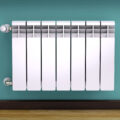
Air can also enter the system through the pump or through small pinhole leaks in the radiators. When this air gathers at the top of a radiator, it prevents the hot water from circulating correctly, leaving the radiator cold at the top. While bleeding the air out is a simple DIY task, it’s important to monitor the gauge while you do it.
Dealing With a Faulty Expansion Vessel
The expansion vessel is a small tank inside or near your boiler that manages the changes in water volume as it heats up and cools down. It contains a rubber diaphragm with air on one side and water on the other. If this diaphragm fails or loses its air charge, the boiler won’t be able to handle the increased volume of hot water.
When the expansion vessel isn’t working, the pressure will rise rapidly when the heating is on, often causing the pressure relief valve to trigger and dump water outside. This results in the pressure being too low once the system cools down again. You can often check if this is the case by looking at the small copper pipe on the outside of your house to see if it’s dripping.
Correcting an expansion vessel issue usually involves re-pressurising it with a pump or replacing the vessel entirely if the diaphragm is split. Because this involves opening the boiler casing, it’s a job that must be performed by a qualified engineer to maintain safety and your warranty.
Final Message
Low boiler pressure is often a minor inconvenience that’s easily fixed with a quick top-up or by tightening a valve. However, if you find that you’re adding water every week, it’s a clear sign of an underlying fault. Ignoring the problem won’t make it go away and could lead to more expensive repairs or a total system failure during the winter months.
Regular servicing is the best way to prevent these issues from occurring. An annual check-up by a Gas Safe engineer ensures that all components, including the expansion vessel and safety valves, are functioning as they should.