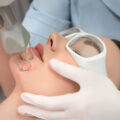
You may already know that sunscreen is important for skin health—but if you’re treating acne scars, sun protection is more than just a daily habit. Without it, scars can darken, healing can slow down, and treatment results may be compromised. Understanding the relationship between sun exposure and acne scar treatment can help you prevent additional pigmentation and support smoother recovery. It’s best to consult a healthcare provider to find a scar treatment plan that works with your skin’s sun sensitivity.
How UV Exposure Affects Healing Acne Scars
Ultraviolet (UV) rays from the sun trigger melanin production in the skin. For healing acne scars—especially post-inflammatory hyperpigmentation (PIH)—this can mean darkened spots that persist far longer than they would with proper sun protection.
UV exposure can not only worsen hyperpigmentation but also interfere with collagen remodelling in healing tissue, leading to uneven or prolonged scarring.
| UV Impact | Effect on Acne Scars |
| Stimulates melanin | Darkens pigmented scars (PIH) |
| Breaks down collagen | Slows tissue repair and smoothening |
| Increases inflammation | Delays scar recovery |
Why SPF is Essential in Every Skincare Routine
Even on cloudy days, up to 80% of UV rays still reach your skin. That’s why daily SPF application is non-negotiable for anyone treating acne scars.
The Skin Cancer Foundation recommends using broad-spectrum sunscreen with SPF 30 or higher. This helps shield skin from both UVA and UVB rays, which can aggravate healing tissue and worsen discolouration.
What to Look for in SPF:
- Broad-spectrum protection (UVA + UVB)
- SPF 30 or higher
- Non-comedogenic (won’t clog pores)
- Fragrance-free, especially for sensitive skin
Best Types of Sunscreen for Acne-Prone Skin
Choosing the right sunscreen ensures that your skin is protected without causing more breakouts. Acne-prone skin benefits from lightweight, non-comedogenic formulas that don’t feel greasy or heavy.
| Type of Sunscreen | Key Ingredients | Benefits for Acne-Prone Skin |
| Mineral (Physical) | Zinc oxide, titanium dioxide | Gentle, anti-inflammatory |
| Chemical | Avobenzone, octinoxate | Lightweight, blends easily |
| Hybrid | Combo of both | Balance of protection and texture |
Some mineral sunscreens also provide a slight tint, helping to mask discolouration while protecting against UV damage.
Tips to Minimise Sun-Induced Pigmentation
In addition to using sunscreen, adopting a few key habits can prevent pigment changes and promote even skin tone:
- Apply SPF even indoors if near windows or screens emitting blue light
- Reapply every 2 hours when outdoors or sweating
- Wear wide-brimmed hats and sunglasses for added protection
- Avoid peak sun hours (10am–4pm) when UV radiation is strongest
- Use protective clothing or seek shade whenever possible
Conclusion: Sun Protection Is Non-Negotiable for Scar Recovery
If you’re actively treating acne scars—whether through topical products or professional treatments—sun protection is a crucial part of your routine. UV rays can slow down your progress and even reverse results by deepening pigment or weakening skin structure.
To maintain even skin tone and improve outcomes, follow a consistent SPF regimen and make sun protection part of your overall skin recovery plan. For personalised advice on treating acne scars safely while considering sun exposure, always consult a qualified healthcare provider who can tailor the approach to your skin type and treatment goals.