

If you’d told me a year ago that I’d be standing on a paddle board in the middle of a Canadian lake with my son, I’d have laughed. But after trying paddle boarding for the first time this summer , we were completely hooked. So when we planned our once-in-a-lifetime family road trip around Ontario, time on the water was top of the list.
The big question was: what do you actually need to take paddle boarding? Especially with a ten-year-old, a long-haul flight and a road trip involved, where every bag counts.
After paddle boarding on Georgian Bay at Blue Mountain, canoeing on Bobs Lake and a few beach days at Sandbanks on Lake Ontario, here’s our tried-and-tested family packing list. It covers what to take paddle boarding, what to bring for the shore and what to wear, whether you’re heading to a UK lake or on a paddle boarding holiday abroad.
This post contains gifted items from Red Equipment. As always, all opinions are my own and I only share kit we’ve genuinely used and loved.
Quick paddle boarding packing list
Short on time? Here’s everything we take paddle boarding as a family:
On the water
- Paddle board, paddle, pump and fin (or hire them)
- Leash for every board
- Buoyancy aid or life jacket for each person, correctly sized for your child
- Waterproof dry bag for phones, keys, snacks and spare layers
- Waterproof phone pouch or lanyard case
- Water bottles
- Sun cream, sunglasses with a strap and sun hats
- Whistle
On the shore
- Changing robe or towels
- Warm layers and a dry change of clothes
- Sit mat or picnic blanket
- Large waterproof tote for wet kit
- Snacks, water and a flask of something warm
- Small first aid kit
What to take paddle boarding on the water
The golden rule on the board is: keep it light, keep it waterproof and keep it attached. Here’s what made the cut for us.

A waterproof dry bag
If there’s one piece of paddle board accessories kit I’d tell every beginner to buy, it’s a proper dry bag. We took the Red Waterproof Roll Top Dry Bag Backpack 30L in Bitter Orange, and it came with us every single day of the trip.
The roll-top closure keeps water out, so phones, car keys, snacks and a spare jumper for our son all stayed dry. Because it’s a backpack, it doubled up as our day bag for the walk down to the water, which made life so much easier on a road trip.
It came everywhere with us at Blue Mountain. We packed it with towels, snacks and suncream and hopped on the free transfer bus from the resort down to the beach. On the water, it sat strapped to the front of my board with my phone safely inside. Out it came every time I wanted a photo of the mountain views, then straight back in. Knowing everything would stay dry if I wobbled off meant I could just relax and enjoy it. The bright orange is a bonus too: it’s easy to spot on the board and on a busy beach.
What size dry bag for paddle boarding? For a solo paddler, 10–20L is plenty for a phone, keys and a snack. For a family day out, a 30L dry bag like ours fits everyone’s bits plus a spare layer or two.
Buoyancy aids and a leash
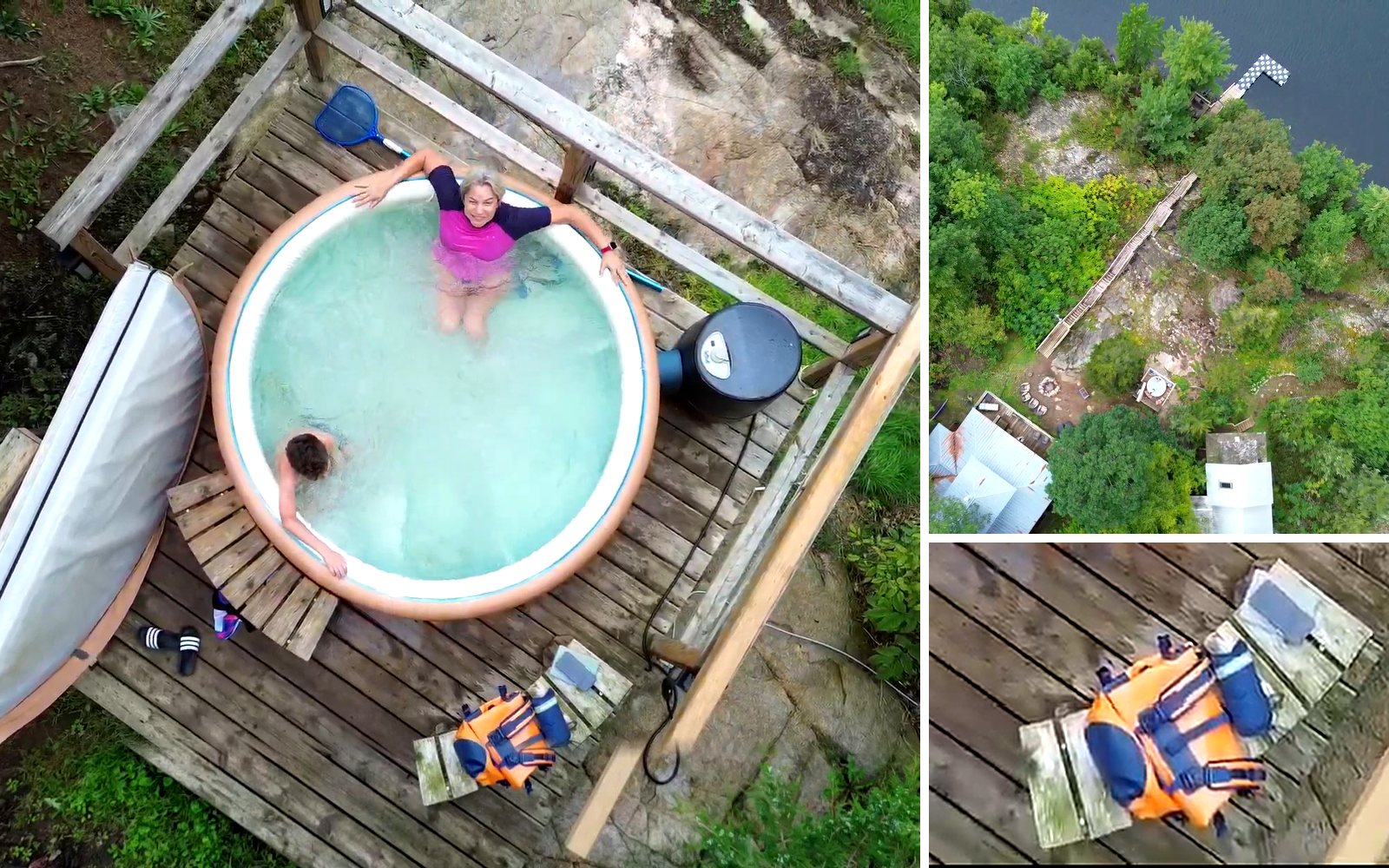
This is the non-negotiable bit, especially with a child on board. We brought our son’s own life jacket from home so we knew it fitted him properly and he was comfortable in it, rather than relying on whatever sizes the hire places had left. It also meant he could jump straight in wherever we stopped. Every board should have a leash too. If you’re paddling in Canada, check with your rental company what safety kit is included, as there are rules about carrying a life jacket for each person on board.
Water, sun cream and snacks
It’s surprisingly thirsty work, and the sun reflecting off the water catches you out quickly. We packed water bottles, high-factor sun cream and an emergency stash of snacks in the dry bag. Snacks are a must if you want a happy kids on a paddle board!
What to bring for the shore
The kit you leave on the shore matters just as much, particularly when you’re taking turns on the board.
A sit mat for picnics and breaks
The Red Quilted Lightweight Water-Resistant Adventure Sit Mat in Blue was one of those things I didn’t know I needed until we had it. It’s light enough to clip on and forget about, and it came out at almost every stop on our Ontario road trip. We sat on it on the beach at Blue Mountain between paddles, on the wooden dock at Bobs Lake with a coffee before heading out in the canoe, and on the sand at Sandbanks. Whether it was damp sand, a dewy dock or a pebbly shore, we always had somewhere dry to sit.

A bag for wet kit
At the end of a paddle there’s always a pile of wet buoyancy aids, swimwear and towels. Pack a separate waterproof bag for it – a large waterproof tote is ideal, but even a heavy-duty bin bag will do – so nothing soaks through onto the car seats on the drive home.
What to wear paddle boarding (in the UK and abroad)
What to wear paddle boarding depends on the weather and the water temperature, not just the air. Even on a warm day, lakes can be chilly. In the UK, it’s worth layering up for most of the year. Here’s what worked for us:
- Warm days: swimwear with a rash vest or quick-dry top, plus shorts. The rash vest also protects shoulders from the sun.
- Cooler days: a wetsuit, or quick-dry leggings with a thermal top and a lightweight waterproof.
- Feet: water shoes or neoprene socks for rocky launch spots.
- Your child: dress them a layer warmer than you think. They get cold faster, especially after falling in!
A changing robe is a game changer
The item I was most excited about was the Red Women’s Quick Dry Microfibre Poncho Changing Robe. Getting changed on a public shore is never glamorous. A changing robe means you can wriggle out of wet swimwear without an audience, and the quick-dry microfibre means it’s ready to go again the next morning.
Honestly, it was a game changer. Most of our changes happened either on the beach or squeezed in next to the car in a car park, and the robe made both so much easier. It also kept me cosy after getting out of the water, especially on cooler mornings. It’s become a staple for UK beach days since we got home, too.
The changing robe was also very handy keeping me dry and warm on the the pontoon boat across to the island on Bobs Lake, with the wind in my hair and the spray from the lake hitting us. If you get the chance to explore a lake by boat as well as by board or canoe, take it – you see so much more of it.

Tips for paddle boarding with kids
If you’re new to paddle boarding, or taking your child out on the water for the first time, these are the things we learned with our son:
- Start with a lesson or a guided session. Learning the basics (standing up, turning and how to fall off safely) makes everyone more confident.
- Pick calm, sheltered water. Lakes are ideal for beginners. Avoid offshore winds, which can push you away from land.
- Let them start sitting or kneeling. Younger children can ride on the front of an adult’s board before trying their own.
- Keep sessions short and fun. Aim to finish while they still want more.
- Make falling in part of the game. Once they’ve fallen in once (in a buoyancy aid!), the fear disappears.
- Pack more snacks than seems reasonable. Trust me.
Our son is ten and had only been paddle boarding once before the trip. By the end, he was standing up confidently and asking for ‘just five more minutes’ every single time we called him in. Having his own life jacket and plenty of snacks made all the difference!
Paddle boarding in Ontario: where we went
Ontario has a huge number of lakes, which makes it a dream for a family paddle boarding holiday. These are the places we visited on our road trip.
Blue Mountain, Georgian Bay
Our first paddle of the trip was at Blue Mountain, near Collingwood. We stayed at the Blue Mountain resort, so the boards were free of charge for guests, and a free transfer bus took us from the resort to Blue Mountain Beach on the shores of Georgian Bay (part of Lake Huron). It was the perfect place to start. The water was calm, with barely a ripple, and it stays shallow for ages. Being out on our boards with the mountains behind us was just magical.

It’s so shallow, in fact, that it gave us our funniest moment of the trip. My other half was watching from the beach and started to panic as I drifted further and further out, convinced I’d gone way too far. Then he watched me casually step off the board and stand up… in knee-deep water! We still laugh about it now.
Bobs Lake
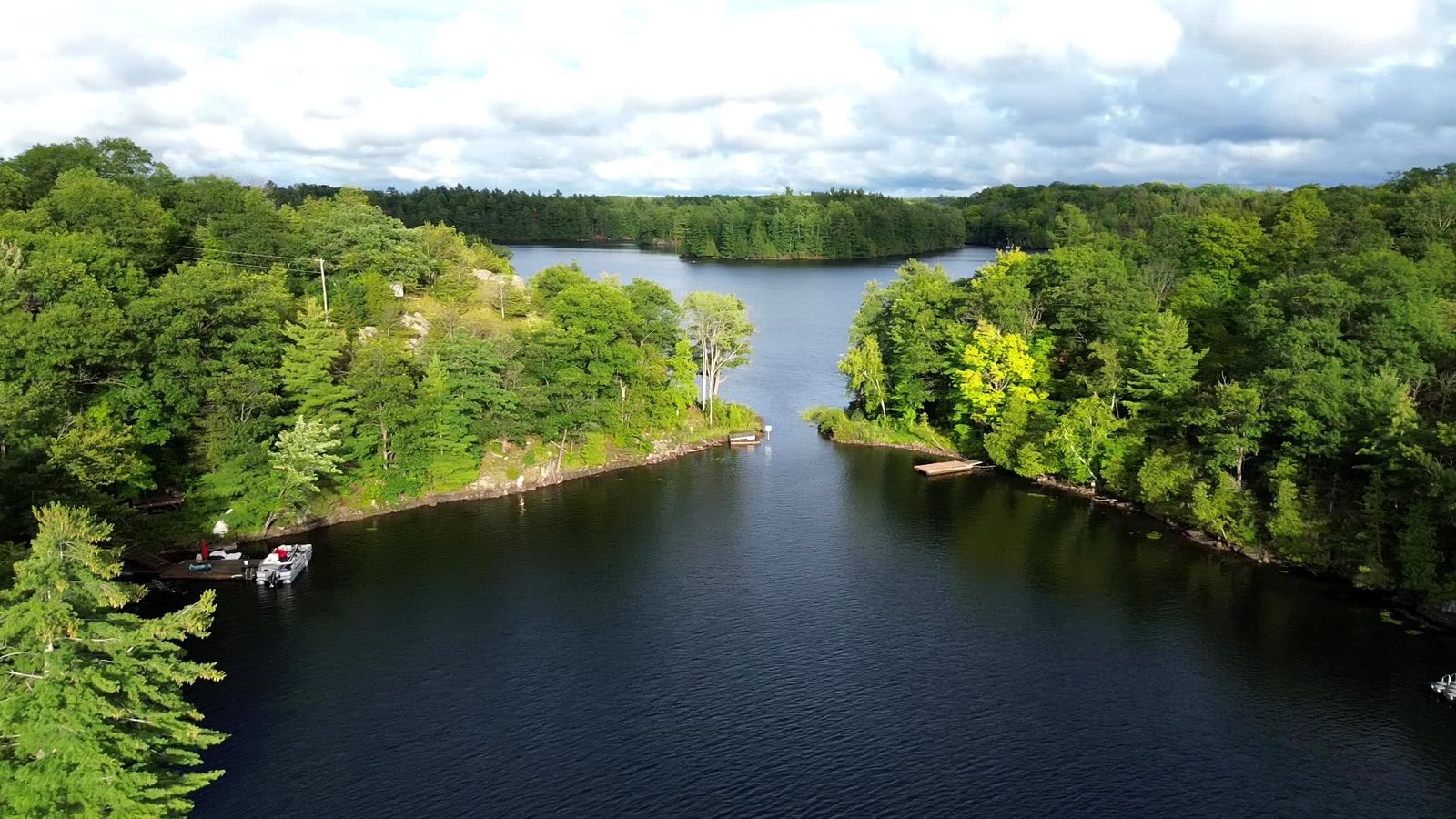
We also stayed on Bobs Lake in eastern Ontario, and it was the complete opposite: quiet, calm and surrounded by trees. Here we swapped the paddle boards for a canoe, heading out straight from the dock in the early morning with the mist still on the water. It was one of my favourite moments of the whole trip, and it’s the kind of sheltered lake that’s ideal for families, whether you’re canoeing or paddle boarding.

Sandbanks and Lake Ontario
We didn’t paddle board on Lake Ontario, but we couldn’t skip it. We spent a day at Sandbanks Provincial Park in Prince Edward County, which has huge sandy beaches and dunes on the shore of Lake Ontario. It was a perfect beach day, and our Red dry bag and sit mat came with us. If you’re planning a similar road trip, it’s well worth adding in.
Is it worth taking your own kit on a paddle boarding holiday?
You can hire boards and buoyancy aids in most popular paddling spots, both in the UK and abroad, so you don’t need to fly your boards to Canada. What I’m really glad we packed are the accessories: the dry bag, sit mat and changing robe. They’re light, they fold down into a suitcase, and having our own meant we were ready to jump in whenever we found a beautiful spot, rather than relying on what a hire place had available.
Paddle boarding FAQs
What should I take paddle boarding?
The essentials are a board, paddle, leash and a buoyancy aid for each person, plus a dry bag for your phone and keys, water, sun cream and a warm change of clothes for afterwards. See our full paddle boarding packing list above.
What size dry bag do I need for paddle boarding?
A 10–20L dry bag is enough for one person’s essentials. For families or longer days, a 30L dry bag gives room for snacks, spare layers and everyone’s phones.
What do you wear paddle boarding in the UK?
In summer, swimwear with a rash vest or quick-dry top works well. In spring and autumn, or on colder lakes, a wetsuit or thermal layers are best. A changing robe makes getting changed afterwards much easier.
Do you wear shoes when paddle boarding?
Many people paddle barefoot, but water shoes or neoprene socks are useful for rocky or pebbly launch spots and in colder weather.
Is paddleboarding safe for kids?
Paddleboarding can be a safe, fun family activity when children wear a correctly fitted buoyancy aid, use a leash, and paddle on calm water with close adult supervision. A beginner lesson is a great place to start.
Our paddle boarding packing list, in a nutshell
Paddle boarding turned out to be one of the highlights of our whole Canada trip. Having the right kit made it so much easier. Everything stayed dry, our son stayed (mostly!) warm, and we could make the most of every lake we found.
If you’re planning a paddle boarding holiday next summer, pin this packing list for later. And if you have any paddle boarding tips of your own, I’d love to hear them in the comments!
Shop the kit: Red Waterproof Roll Top Dry Bag Backpack 30L · Quilted Lightweight Water-Resistant Adventure Sit Mat · Women’s Quick Dry Microfibre Poncho Changing Robe