When it comes to decorating with floor-to-ceiling windows, the proper lining for curtains makes a significant difference in style and functionality. Choosing the right curtain lining will not only enhance elegance but also improve energy efficiency and light control. From blackout linings to flame retardant options, the selection is wide and varied.
For those looking to add a touch of luxury to their living room curtains or seeking to create a cozy atmosphere in the bedroom, understanding the best options for curtain linings is essential. The right choice can effectively block out harsh sunlight, provide privacy, and complement the overall decor. High-quality linings, such as those offered in the selection of curtain linings from Direct Fabrics, can make your curtains look and feel more luxurious while providing practical benefits.
Whether you are installing them yourself or hiring a professional, the installation and maintenance of curtain linings play a key role in their longevity and performance. By following expert tips and guidelines, you can ensure your curtain linings remain in top condition, maximizing their benefits for years to come.
Key Takeaways
- Proper curtain linings enhance elegance and energy efficiency.
- Curtain linings provide privacy and light control.
- Installation and maintenance are crucial for longevity.
Understanding Curtains and Linings
Selecting the right curtain linings is essential for enhancing both the aesthetic and functional qualities of your drapes. It’s important to understand the various roles linings play and how they interact with different curtain fabrics, colors, and patterns.
The Role of Linings in Curtain Selection
Linings serve multiple purposes in curtain selection. They provide additional insulation, reduce outside noise, and protect the main fabric from UV rays. For those looking to darken a room, blackout linings are essential. These blackout curtains block out light, making them perfect for bedrooms.
Another key role of linings is to add weight and structure. This helps curtains drape beautifully and look more luxurious. Whether you’re going for a minimalist style or more opulent drapery, lining quality can transform the overall look and feel.
Different Types of Curtain Fabrics and Their Properties
Curtains come in a wide variety of fabrics, each with distinct properties. Silk and velvet are ideal for a luxurious and dramatic look. These heavy fabrics provide excellent insulation and block light well.
On the other hand, linen and sheer fabrics are great for a lighter, airy feel. Sheer curtains allow natural light to filter through, adding elegance to any space. Linen offers a textured, casual style that works well in minimalist and industrial chic interiors.
When choosing fabric, consider the room’s purpose. For instance, blackout fabrics are suitable for bedrooms, while lighter materials may be better for living areas.
Choosing the Right Colour and Pattern for Your Space
Selecting the right colour and pattern for your curtains can significantly impact the room’s ambiance. Neutral colors like ivory, cream, and gray can create a calming effect and complement various decor styles. For a bold statement, opt for brighter hues or patterned curtains.
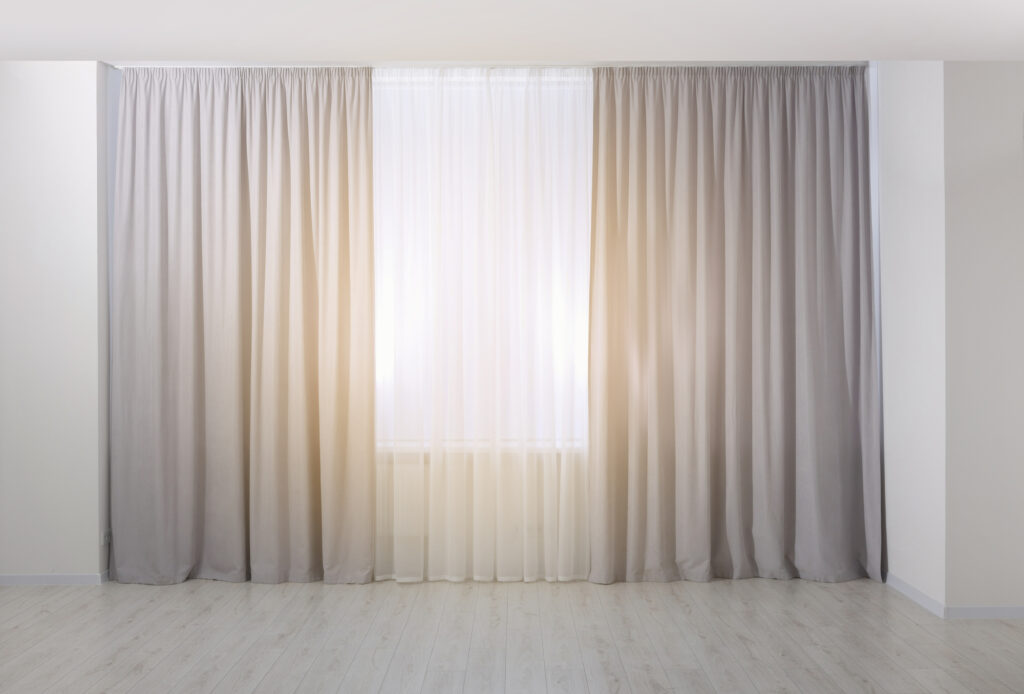
Consider the existing elements of your space when choosing colors. Patterns can add depth and interest to a room. Stripes, florals, and geometric designs are popular options for adding visual intrigue. Remember, darker colors and intricate patterns can make a space feel cozier, while lighter shades and simple designs can open up a room.
Considering Curtain Length and Width for Floor-to-Ceiling Windows
Floor-to-ceiling windows require careful consideration regarding curtain length and width. Curtains that reach the floor create a dramatic effect and make the ceiling appear higher. Ensure that the curtains are wide enough to cover the entire window when drawn.
Measure the width of the window and add extra inches on each side. This ensures the curtains can stack back fully without blocking the window. The length should just touch the floor or create a slight puddle for a more traditional look.
Choose curtain styles that match your décor, whether you prefer the luxurious feel of velvet or the modern look of patterned curtains. Proper measurements and fabric choices can significantly enhance the visual and functional qualities of your floor-to-ceiling windows.
Installation and Maintenance Tips
Proper installation and maintenance of curtain linings are crucial for ensuring longevity and performance. In this section, you’ll learn about effective techniques for installing curtain linings, how to maintain and clean them, and how to create a sophisticated layered look with multiple window treatments.
Proper Installation Techniques for Curtain Linings
When installing floor-to-ceiling curtains, a sturdy rod or curtain track is essential. Use a measuring tape to get accurate measurements and ensure the rod is level. For wider windows, multiple brackets may be needed to support the weight of the curtains.
It’s best to use a ladder to safely reach high spots. Attach the brackets securely to the wall or ceiling, ensuring they can bear the weight of the curtain. Place the curtain rings or clips evenly along the curtain rod for uniform hanging.
Curtain tracks can be a good alternative to rods, especially for heavier curtains or more streamlined looks. These tracks allow curtains to glide smoothly, preventing strain on the fabric.
Maintaining and Cleaning Your Linings and Curtains
Regular maintenance is key to extending the life of your floor-to-ceiling curtains. Vacuum the curtains using a brush attachment to remove dust and debris. This is especially important for high traffic areas like the living room. For deeper cleaning, refer to the care label on your curtains and linings.
Machine washable linings should be washed in cold water using a gentle cycle. However, a high-quality ivory cotton lining or thermal lining may require professional cleaning to prevent damage. Avoid harsh detergents that can weaken the fabric.
For energy efficiency, consider blackout curtains. These linings not only block light but also help insulate the room, reducing energy costs significantly.
Creating a Layered Look with Multiple Window Treatments
Layering curtains can add depth and style to any room. Start with a base layer like sheer curtains to allow light to filter in while maintaining privacy. Over this, add thicker drapes or blackout curtains for added insulation and light control.
Use double curtain rods or dual tracks to hang multiple layers easily. Shutters, in combination with floor-to-ceiling curtains, offer additional light control and a more sophisticated look.
For an automated and modern twist, consider using a smart automation system. This allows you to open and close layers through remote control or a mobile app, enhancing convenience and comfort.
Conclusion
Selecting the right curtain linings for floor-to-ceiling windows involves balancing aesthetics, functionality, and durability. Paying attention to materials such as cotton sateen and polycotton can enhance both the appearance and lifespan of your curtains.
Opting for blackout or thermal linings can improve energy efficiency and darken rooms. Finally, always ensure professional measurements for a perfect fit.