Almost every home has one. A drawer, a box, a shelf in the cupboard under the stairs, quietly filling up with old phones, tangled chargers and a tablet nobody’s touched since 2019. It feels harmless enough. But that little collection of forgotten tech is actually a bigger deal than most people realise, both for the planet and for the wallet.
It’s Not Just Clutter, It’s a Missed Opportunity
Tech doesn’t lose its value the moment a newer model comes out. A phone that’s been sitting unused for a year or two can still be worth a surprising amount of money, especially if it’s in decent condition. Yet millions of devices sit idle in drawers across the UK simply because people assume they’re not worth bothering with, or they’re not sure where to start.
That’s the first thing worth rethinking. Before tossing an old handset in a bin or letting it gather dust indefinitely, it’s worth checking what it could actually fetch. Anyone looking to sell my mobile for the first time is often surprised by how straightforward the process has become, and how much better it is for the environment than binning it.
Selling Beats Recycling Where Possible
Recycling is always better than binning, but reselling is better still. When a phone is repaired, refurbished and sold on rather than broken down for parts, its full lifespan gets used before any recycling needs to happen at all. This extends the life of the materials inside it and delays the need for new resources to be extracted.
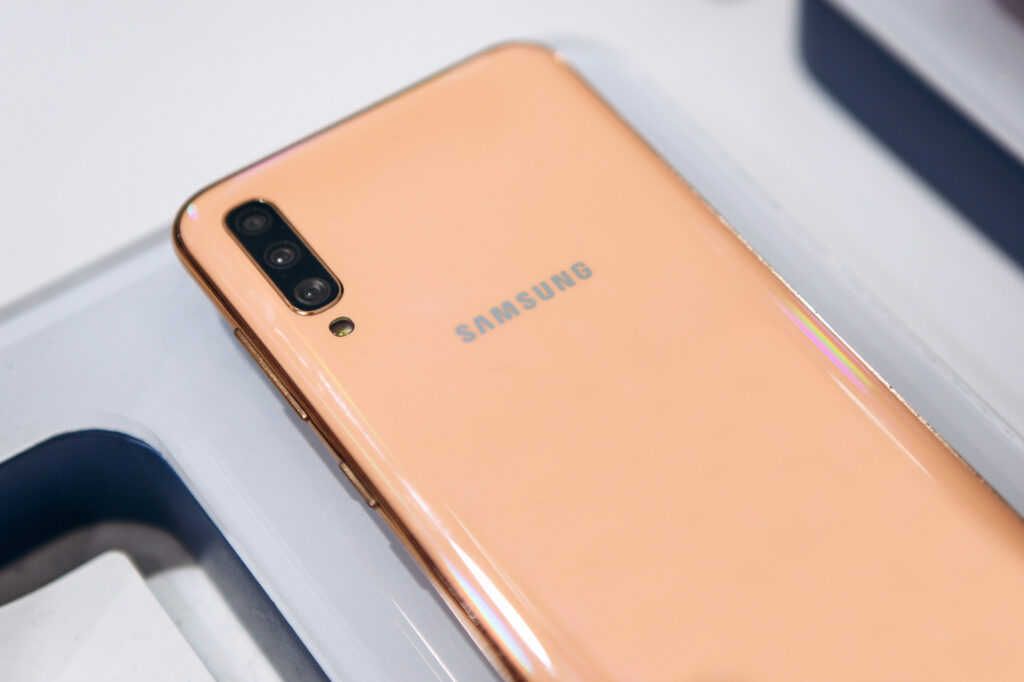
This is particularly true for popular models that hold their value well. Anyone wondering whether it’s worth the effort to sell my Samsung phone rather than let it sit unused will usually find the answer is yes. Samsung devices tend to have strong resale demand thanks to their popularity and the availability of spare parts, which makes them easier to refurbish and resell rather than scrap.
What Happens to a Phone After It’s Sold On
For anyone unfamiliar with the process, it can help to know what actually happens once an old device is handed over. Reputable resale and recycling services typically follow a similar path:
- Assessment: The device is checked for functionality, screen condition, battery health and cosmetic wear.
- Data wipe: All personal data is securely erased to industry standards, protecting privacy before the phone moves on.
- Refurbishment or recycling: Devices in good condition are cleaned, repaired if needed and prepared for resale. Devices beyond repair are broken down responsibly, with materials recovered and recycled.
- Resale or component recovery: Working phones are sold on, often at a lower price point, giving someone else access to affordable tech. Non-working ones become a source of raw materials for future manufacturing.
This whole process reduces the need for new materials and keeps devices circulating for as long as possible, which is exactly the kind of shift the tech industry needs more of.
A Few Things Worth Checking Before Selling
A little preparation goes a long way when it comes to getting the best value and doing it safely:
- Back up everything first. Photos, contacts and app data should be saved somewhere safe before wiping the device.
- Factory reset the phone. This removes personal information and accounts, which is essential before it changes hands.
- Remove SIM and memory cards. These are easy to forget and can hold personal data.
- Check the condition honestly. Cracked screens, battery health and cosmetic damage all affect value, so it helps to be upfront.
- Compare a few options. Prices can vary between services, so it’s worth checking more than one before committing.
Small Habit, Bigger Impact
None of this requires a huge lifestyle overhaul. It’s simply a shift in habit: instead of letting old tech pile up unused, checking whether it can be sold on or recycled properly first. Multiplied across millions of households, that small habit adds up to a genuinely significant reduction in waste, emissions and unnecessary manufacturing.
The next time an old handset turns up at the back of a drawer, it’s worth pausing before writing it off as junk. That phone still has value, both to someone else and to the planet, and giving it a second life is one of the easiest, most practical ways to make everyday tech habits a little greener.