Designing a child’s bedroom is about more than just aesthetics—it’s about creating a space that encourages growth, imagination, and a sense of comfort. From clever storage solutions to choosing just the right lighting, every detail can influence how a child sleeps, studies, and plays. By taking a holistic approach, you can ensure the room not only looks good but also adapts to your child’s evolving needs.
Start with a Flexible Floor Plan
Before you introduce furniture or décor, think about how the room will be used. Children’s interests and routines change over time, so consider a layout that can be easily updated. Leave open areas for play, ensure a clear path to storage units, and make sure there’s enough space for future additions, whether it’s a new reading corner or a desk for homework.
A simple rearrangement can transform the room’s atmosphere, so look for pieces that are lightweight or easy to move, allowing the space to evolve as your child grows.
Emphasise Storage and Organisation
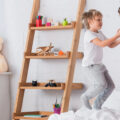
Clutter can quickly take over a child’s bedroom, making it harder for them to focus and relax. Incorporate storage solutions that keep toys, clothes, and books neat and accessible. Built-in shelves, under-bed compartments, and labelled bins are all practical ways to maintain order without sacrificing style. By encouraging children to participate in the organising process, you help them develop responsibility and independence.
Use Colour and Décor Thoughtfully
Colour can influence mood and productivity. Soft, neutral tones create a calming environment, ideal for winding down at bedtime, while pops of brighter hues in rugs, cushions, or wall art can inject personality and stimulate creativity. Opt for removable decals or artwork that can be swapped out as your child’s tastes change. Instead of following fleeting trends, choose timeless pieces that can grow with your child and complement various décor updates over the years.
Lighting for Every Activity
A well-lit room supports every aspect of your child’s day, from playtime to reading before sleep. Natural light during the day helps maintain energy levels and improves mood. A desk lamp or adjustable reading light supports homework sessions, while soft, warm lights in the evening promote relaxation. Consider layering different types of lighting—overhead fixtures, task lamps, and even subtle nightlights—to cover all activities and comfort levels.
Incorporate Comfort for Better Sleep

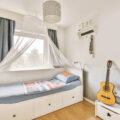
Good sleep habits start with the right environment. Consider ergonomic furniture and quality mattresses that support healthy growth. While you’re outfitting the room, you may even introduce a new piece of furniture, like a kids single bed, that’s comfortable yet adaptable to future décor changes. The goal is to make the bedroom a peaceful retreat where your child feels secure.
Encouraging Personal Expression
A child’s bedroom is often their first opportunity to express their identity through personal touches. Encourage them to choose a few items—perhaps a favourite poster, a cherished collection, or a handmade craft—to display prominently. This sense of ownership can boost their confidence and connection to their personal space. As they get older, let them take more control over these choices, ensuring the room remains both functional and meaningful.
Create A Room That Adapts As They Grow
A child’s bedroom should suit who they are now, and the kinds of things that make them happy. It’s a good idea to leave room for change as their interests and routine develop, however. Involve them in decisions about key pieces of furniture and the overall layout. They’ll feel a sense of ownership with this kind of idea. Selecting the best transition toddler bed, for instance, when they are ready to move beyond their cot, can make the room feel suited to their growth and independence. Flexibility like this will allow you to create a room that evolves alongside them rather than simply redesigning the entire place every few years.
Sustainability and Long-Lasting Choices
Investing in durable, responsibly sourced furniture not only benefits the environment but also ensures that the room can adapt over time. Look for high-quality pieces that can withstand everyday wear and tear. Sustainability-minded decisions, like choosing furniture made from FSC-certified wood or using eco-friendly paints, teach children the value of caring for the planet. These choices also save money in the long run, as well-built items won’t need frequent replacing.
Keep the Future in Mind
While designing a child’s room, it’s essential to think ahead. What suits a five-year-old’s needs may not work for a ten-year-old. Choosing pieces that can be repurposed or rearranged, sticking to versatile colour palettes, and focusing on storage and comfort ensures that the room can grow and change along with your child. By planning for the future, you’ll reduce the need for constant overhauls and help create a space that remains both functional and inspiring for years to come.