For professional photographers and photography enthusiasts, finding the right camera is a crucial part of their career or hobby. This piece of technology is their main tool for capturing special moments and stunning scenery, after all. However, with so many types of cameras available, it can be difficult to choose the right one.
Two of the most popular cameras used by photographers are the mirrorless camera and DSLR camera. Both have been around for quite some time and until now, many photographers still couldn’t decide which one of the two cameras is better. Although mirrorless and DSLR cameras each have positive points, they also have their fair share of downsides depending on the situation. Let’s have a closer look at these cameras, as well as their pros and cons so that you know what camera to purchase for yourself or rent from a camera hire London-based photographers trust.
What Is a Mirrorless Camera?

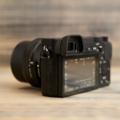
Unlike a DSLR (digital single-lens reflex) camera, a mirrorless camera is a type of digital camera that doesn’t have a swinging mirror and optical pentaprism. Instead, it uses digital displays or electronic viewfinders to preview and capture images. Mirrorless cameras have gained popularity for their versatility, portability, and advanced features. Thus, they’re a go-to choice for photographers and videographers alike.
Mirrorless Camera Pros
Compact and Lightweight. Mirrorless cameras are known for their compact and lightweight design, making them highly portable and thus ideal for travel and on-the-go photography. Their reduced size allows for easy handling and less strain during long shooting sessions.
Fast Autofocus. Mirrorless cameras feature advanced autofocus systems, including phase detection and contrast detection, which deliver rapid and accurate focusing. This is particularly valuable for capturing moving subjects or ensuring sharp images in various shooting conditions.
Video Capabilities. Many mirrorless cameras excel in video recording, offering high-quality video capabilities like 4K and sometimes even 8K resolution. Therefore, they’ve become a preferred choice for videographers who require both still and video shooting in a single device.
Designed with an Electronic Viewfinder (EVF). A significant advantage of mirrorless cameras is the availability of EVFs in many models. The EVF provides a real-time, high-resolution scene preview and displays essential settings information, improving the accuracy of your compositions and settings adjustments.
Mirrorless Camera Cons
Shorter Battery Life. Due to their continuous use of electronic components, mirrorless cameras often have shorter battery life compared to DSLRs. This can require carrying spare batteries for extended shooting sessions, especially when using power-intensive features like video recording.
Limited Lens Selection. While mirrorless camera systems are expanding rapidly, they may still have a more limited selection of native lenses compared to well-established DSLR kits.
Generates Heat Faster. The compact nature of mirrorless cameras and their use of electronic
components can lead to quicker heat build-up. This may result in overheating and shorter recording times during intensive video shoots.
More Expensive. Since mirrorless cameras have more advanced features, and due to them having the latest in camera technology, they’re often more expensive than their DSLR counterparts. As a result, they can be less accessible to photographers who are on a tight budget.
What Is a DSLR Camera?

A digital single-lens reflex or DSLR camera is a type of digital camera that’s been a staple in photography for many years. It uses a swinging mirror and an optical pentaprism or pentamirror system to direct light from the camera’s lens to the optical viewfinder. This design allows photographers to see precisely what the camera’s lens sees in real time.
DSLR Pros
Longer Battery Life. Compared to mirrorless cameras, DSLR cameras boast a longer battery life. This is because the optical viewfinder doesn’t require constant power. Therefore, DSLRs are more suitable for extended shooting sessions.
Comes with an Optical Viewfinder. One of the key strengths of DSLRs is the optical viewfinder, which enables DSLRs to provide a real-time, clear view of the scene through the lens. This feature makes DSLRs particularly valuable for photographers who require precise composition and focusing, especially in bright outdoor conditions.
Larger Size. DSLRs are typically larger than mirrorless cameras, offering better ergonomics and comfort for photographers (especially those with larger hands) during extended shooting.
More Budget-Friendly. DSLRs are available in a wide range of price points, making them a budget-friendly option for photographers.
DSLR Cons
Larger and Heavier. As mentioned in the previous section, DSLR cameras are generally larger than mirrorless cameras. While their size can sometimes be a boon, it also comes with a heavier weight. These factors can be a turn-off to some photographers, as DSLR cameras may be less convenient for travel and everyday use.
Limited Video Features. Newer DSLRs have video recording capabilities, although they may not have as many advanced features as mirrorless cameras. This can be a drawback for videographers who require extensive video capabilities.
Noisier. The mechanical mirror and shutter mechanism in DSLRs can create noise when capturing images. This can be a disadvantage when you need to be discreet in quiet environments or when photographing subjects that are sensitive to sound.
Old Tech. As camera technology advances, some DSLRs may be considered “older technology”. Moreover, many manufacturers are shifting their focus toward mirrorless cameras. As such, your selection of new DSLR models might be reduced.
Conclusion
Mirrorless and DSLR cameras are both great tools in photography. Depending on what you need and your budget, however, one might suit you better than the other. Now that you know the differences between the two, as well as their respective pros and cons, you can make a more informed decision when purchasing or renting a camera.