
Winter is the perfect time to snuggle up with your furry friend or get outside for a winter walk together. However, there are also some important considerations for animal owners at this time of year. Here are some tips on how to keep your animals safe during the colder months.
Adjust Their Feeding Schedule
Just like humans, animals rely on calories from their food to keep their energy levels up. How much energy they require may change in cooler weather, as they burn more calories to stay warm. This is particularly true for animals who live outdoors or spend a lot of time outside.
If you have animals who live outside all year round, you’ll need to adjust the amount you feed them during the cold winter months to ensure they’re still getting enough calories. Be sure to keep the feeding hay for your rabbits and small animals topped up and amend feeding schedules to take into account your animal’s extra energy requirements at this time of year.
Bring Them Inside
If you keep small animals outdoors such as rabbits or guinea pigs then bringing them inside is the best option in winter. A shed, porch or conservatory can make an ideal winter home for small furries that usually live outside.
If this isn’t possible, then you should keep their hutch topped up with plenty of fresh bedding and consider adding blankets inside for extra warmth. You can also buy weatherproof covers for rabbit and guinea pig hutches, to keep your small animals warm and dry during wet winter days.
After Walk Cleaning
Whilst rock salt is great at preventing us humans from falling over during icy conditions, it’s not so good for our four-legged companions. Rock salt or ‘grit’ can cause dryness and irritation on cat and dog paws and even painful burns. Dogs and cats may also be tempted to lick the toxic rock salt off their paws, which can lead to rock salt poisoning. That’s why it’s vitally important that you clean your dog’s paws after winter walks. Rinsing with warm water can also prevent snow and ice balls from clumping on your dog’s fur.
Animal Proof Indoors
Most of our furry friends spend more time indoors during the winter, making it more important than ever to ensure that your home is animal-friendly.
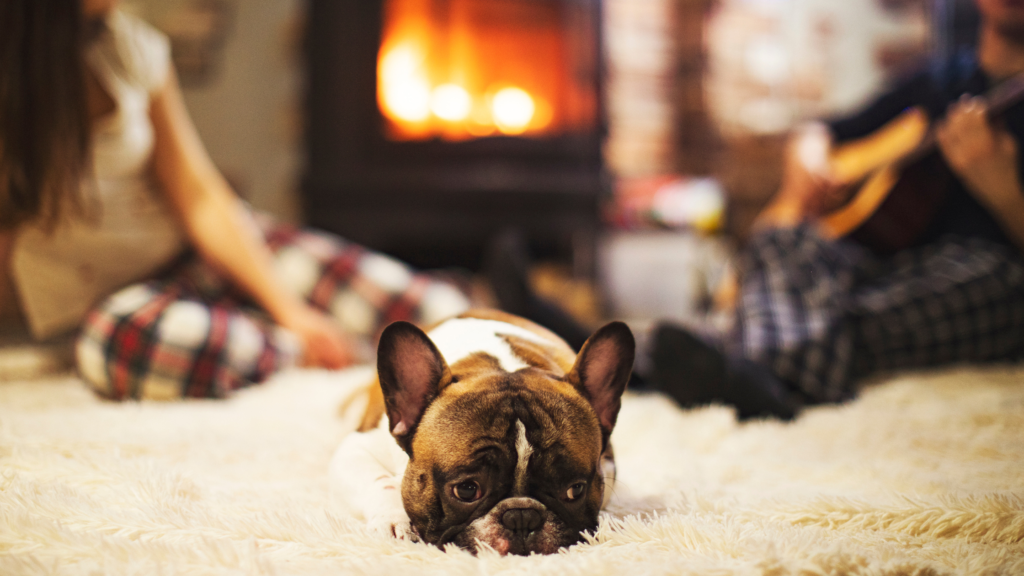
Identify potential animal hazards in your home, and take steps to eliminate them. For example, use fire guards in front of open fires or log burners, and use cable tidies to keep electrical wires neat and reduce the risk of chewing! Remember that many common houseplants are toxic to cats and dogs, so remove these wherever possible or put them well out of reach.
Don’t forget the festive hazards that winter brings to our homes – and animals, such as candles, Christmas decorations and all that deliciously tempting food left around, such as chocolate, mince pies and cooked turkey bones, all of which can be potentially fatal to our four-legged companions.


Thank you for the tips, would hate anything bad to happen to my fur baby