
We are in the middle of a garden renovation. Our untidy, neglected garden will be transformed with a new patio and deck. I have more blog posts to follow on this but in the meantime, I’ve been planning.
Although our garden is just a small space we want it to be full of colour and wildlife. We want to make the garden a voyage of discovery through the flowers that we grow. However, I don’t want to be forking out each year on lots of new plants and flowers. I want a low-maintenance and budget-friendly garden. That’s where naturalising bulbs will come into play.
Naturalising bulbs
In the past, flower bulbs, were only used indoors. But nowadays, people use them outdoors as well. Bulbs naturalising is a trend that is becoming more popular than ever before.
The trend of bulbs naturalising started in the Netherlands in the 1930s, when Dutch growers started planting flowers in their fields. This was done to stop soil erosion and increase farmland yields. Nowadays, this trend has been adapted by homeowners who want a natural garden look without too much work.
In your garden the bulbs will emerge year after year. Think of them as your garden’s little gifts! Also once planted, they will produce more and more flowers every year as they spread. They produce their own new bulblets, which means many of these varieties will spread by seed.
Daffodils and Tulips are always wonderful to have in your garden. Here are just a few other examples of the many kinds of special bulbs and how best to plant them. Just imagine how delightful it will be to see these appearing in the garden next spring!
Crocus
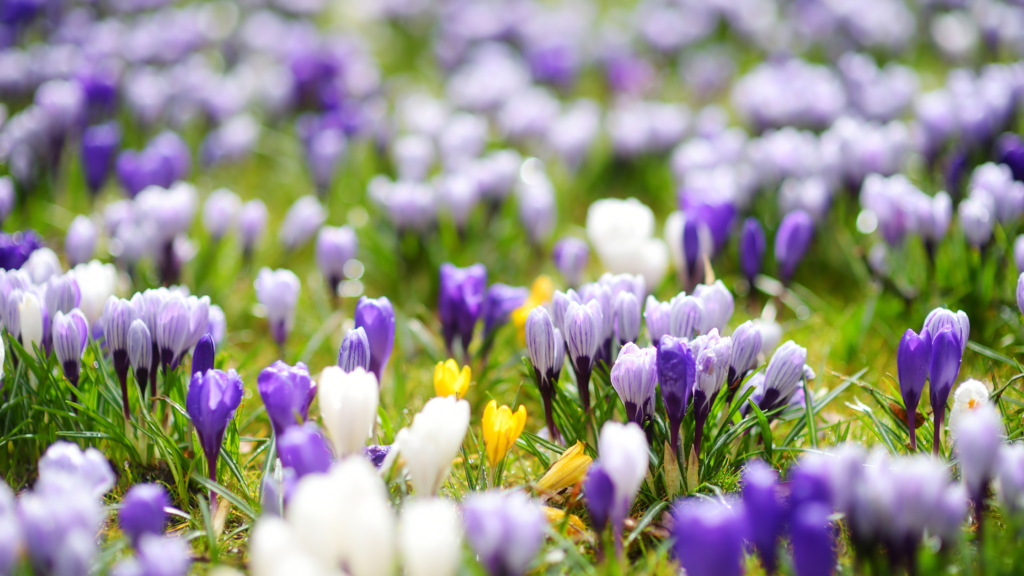
Crocuses are very pretty when planted in large numbers. Plant 100 to 150 corms to achieve a grand effect. Their chalice-shaped flowers open when the sun shines or whenever there is plenty of light. They close up during cloudy weather and at night. Crocuses are beautiful in the grass, especially in combination with perennials in the borders.
Planting: A depth of 12½ cm
Blooming: In February/March.
Nodding star-of-Bethlehem (Ornithogalum nutans)
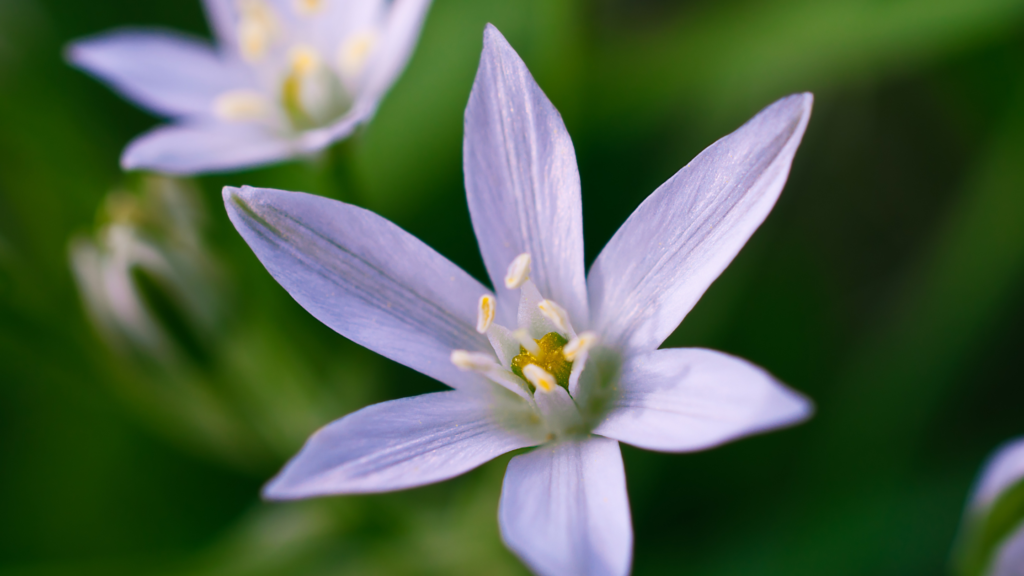
Since ornis means ‘bird’ and gala means ‘milk’, a translation of the name for this bulb could be ‘bird’s milk’. The source of the name is likely to come from the white colour of the flowers and the elegant way they dangle in a cluster from the stem.
Planting: A depth of 10 cm.
Blooming: March/April.
Striped squill (Puschkinia)
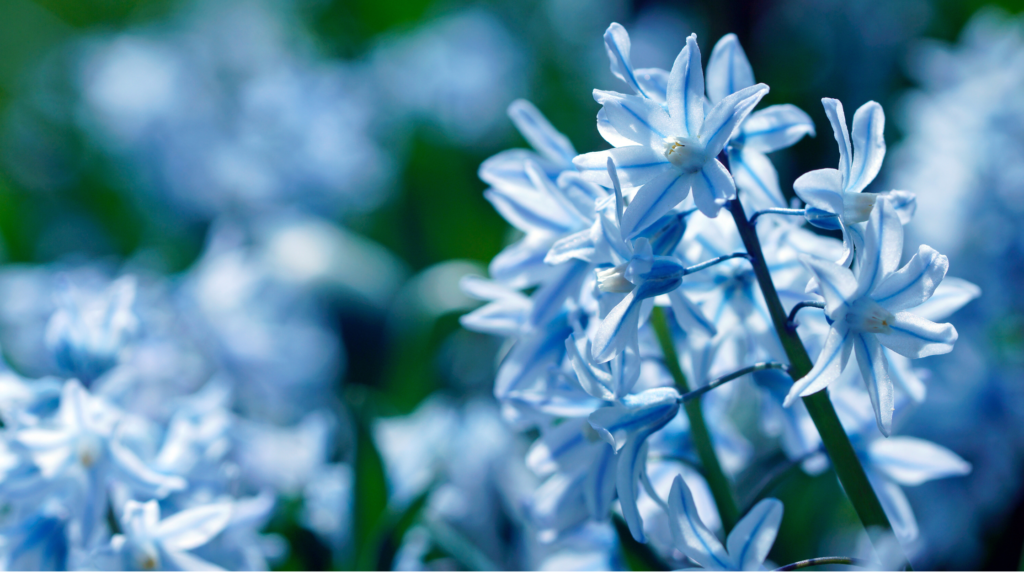
To create an impressive effect, plant these bulbs in large quantities beneath trees and shrubs. They can be used for naturalising since they are completely hardy.
Planting: A depth of 10 cm.
Flowering period: February/April.
Snowdrop (Galanthus)

One of my favourite flowers, did you know the flowers of snowdrops can actually break through a covering of snow to announce that spring has arrived! They can remain undisturbed for years and will easily increase in number. Snowdrops can create beautiful clusters of plants but will also be lovely in a lawn.
Planting: A depth of 10 cm. Snowdrops can also be planted in a pot or container. Plant them in fresh potting compost and put a layer of gravel or expanded clay granules in the bottom of the pot.
Blooming: February/March.
Glory-of-the-snow (Chionodoxa)
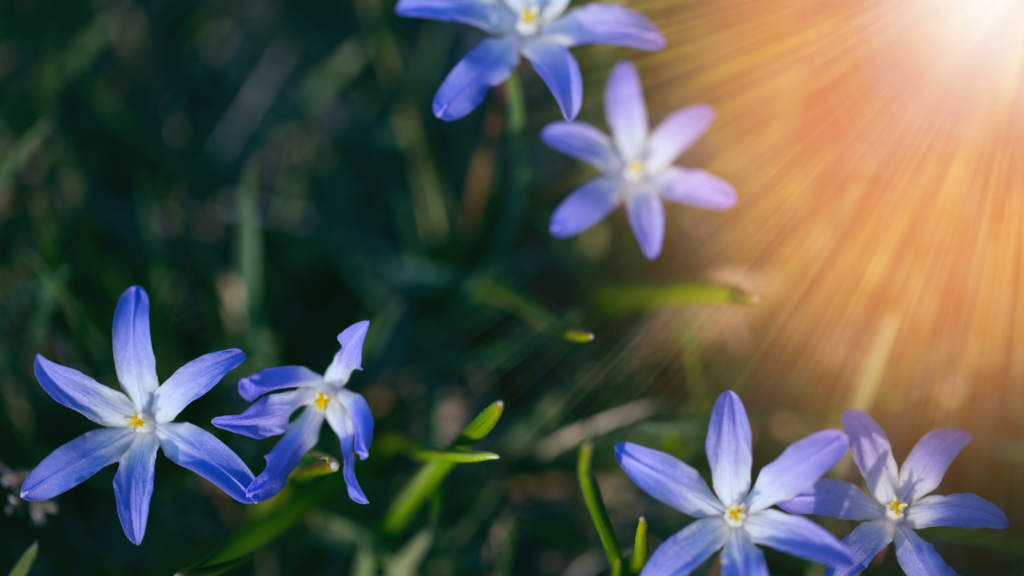
Glory-of-the snow is a plant that ushers in the first days of spring. Glory-of-the-snow requires no special care, can easily increase in number, and will also grow in grass.
Planting: A depth of 10 cm.
Blooming: February/March.
Siberian squill (Scilla siberica)
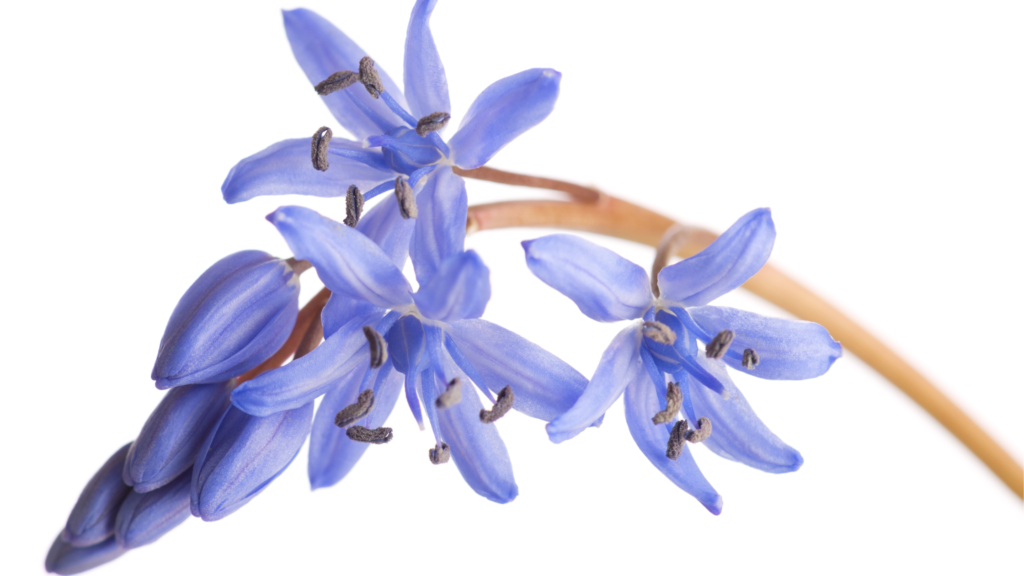
Siberian squills are the most popular flower bulbs for naturalising. Plant Siberian squills in clusters of at least 15 bulbs, or distribute around 25 to 50 – or even more – of these flower bulbs evenly over a border or a flower bed. The Siberian squill will also thrive in a pot or a balcony container.
Planting: A depth of 10 cm
Blooming: March/April.
Dwarf Iris (Iris reticulata)
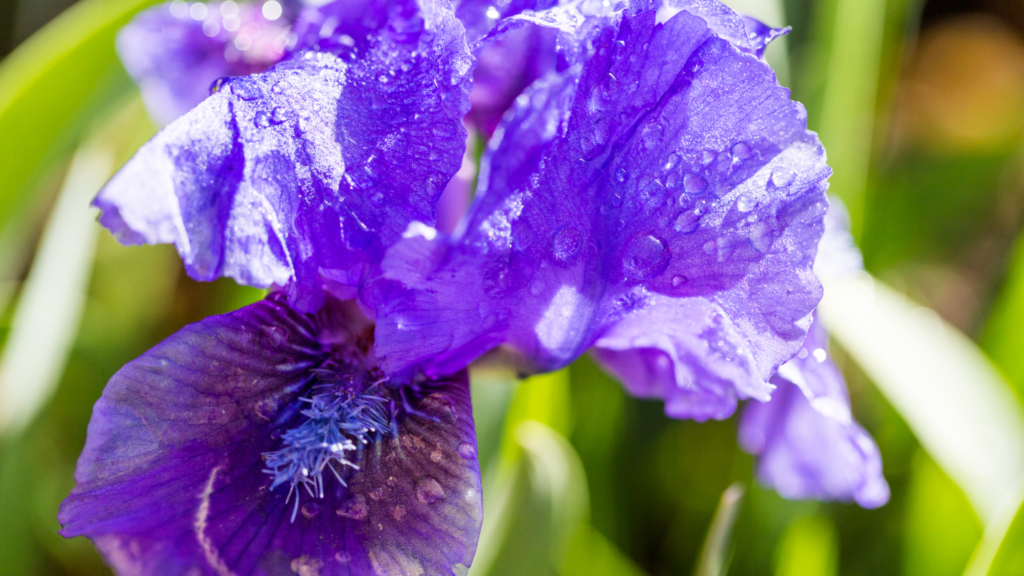
Dwarf irises are perfect for use in rock gardens and will flower very early in the season. When these little bulbs are well established in their location, they will reappear for several years.
Planting: A depth of 10 cm
Blooming: February/March.
Chequered fritillary (Fritillaria meleagris)
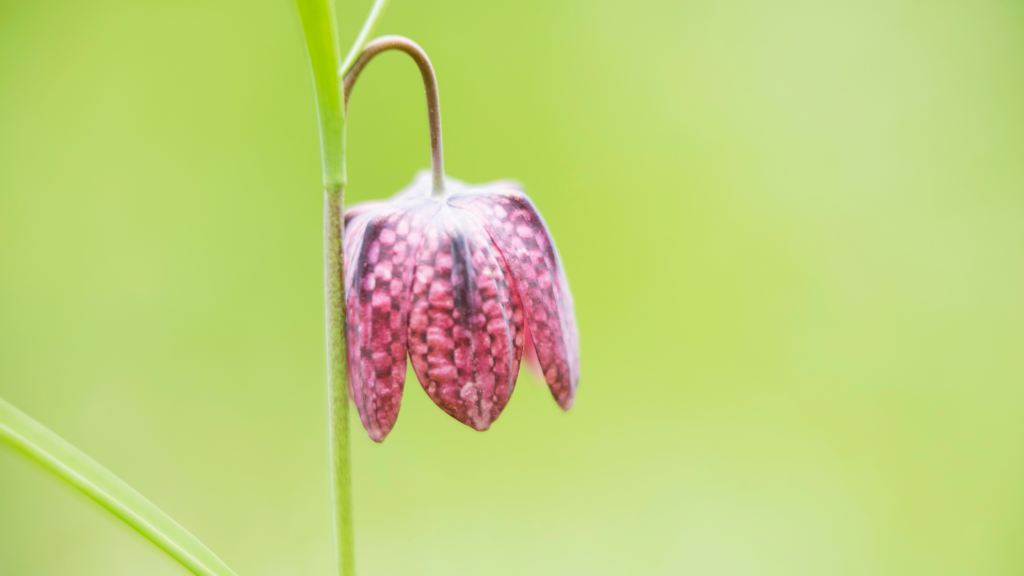
The bell-shaped flowers of the Chequered fritillary have a unique pattern on their petals that make them really stand out. After flowering, the Chequered fritillary produces decorative seedpods.
Planting: A depth of 10 cm.
Flowering: April/May.
I hope this guide has been helpful. Let me know your favourite Spring flower in the comments below.


