

Flowers have been part of human life for as long as we can remember. We bring them to hospitals, leave them at doorsteps, hand them across dinner tables. We reach for them when we don’t quite know what else to do. And yet, most of us choose them based on what looks nice rather than what they actually mean – which is a shame, because the language of flowers is a genuinely lovely thing to know.
Here’s a look at some of the most popular blooms and what they’ve come to represent over the years.
Roses: The Classic for a Reason
Roses are everywhere, and there’s a good reason for that. They’re almost universally understood as a symbol of love – but stop there and you’re missing quite a lot of the picture. The colour of a rose changes its meaning considerably.
Red roses are the obvious one: love, passion, desire. Pink roses are warmer and softer, expressing gratitude and admiration rather than intensity. They’re a wonderful choice for a Mother’s Day gift because of that – affectionate without being over the top. White roses speak to purity and innocence, whilst yellow ones are all about friendship and cheerfulness. Orange sits somewhere between enthusiasm and energy, perfect when you want to say “I think you’re brilliant” without it becoming a grand romantic declaration.
It sounds like a lot to keep track of, but it’s actually quite intuitive once you start thinking about it.
Tulips: Quietly Meaningful
Tulips tend to get overlooked in favour of roses, which is unfair. There’s an elegance to them – simple, clean lines and a natural beauty that doesn’t try too hard. They represent perfect love and comfort, and in the old Victorian language of flowers, they were used to express deep affection between people who perhaps didn’t have the words for it themselves.
Red tulips lean romantic, pink ones suggest caring and tenderness, and yellow tulips are genuinely one of the cheeriest things you can give someone. If a friend is going through a rough patch, a bunch of yellow tulips says “I’m thinking of you” in a way that feels warm rather than heavy.
Lilies: Understated and Powerful
There’s a quiet grandeur to lilies. White lilies in particular carry associations with purity, motherhood, and virtue – which is why they appear so often around Mother’s Day. They’re not showy, but they have a presence that’s hard to ignore.
Pink lilies suggest admiration and abundance. Orange lilies are a bit more dramatic – passionate, vivid, full of energy. Whatever variety you choose, lilies tend to elevate any bouquet. They’re the kind of flower that makes an arrangement feel considered rather than just assembled.
Carnations: Underrated and Overlooked
Carnations have a bit of an image problem. For some reason they’re seen as the budget option, the filler flower – which is genuinely unfair given how much meaning they carry. Pink carnations are deeply associated with a mother’s love, which makes them one of the most fitting flowers you can give on Mother’s Day. They symbolise gratitude, affection, and devotion, all wrapped up in those lovely ruffled petals.
White carnations represent pure love and remembrance, making them a meaningful choice for honouring someone who’s no longer with us. Red carnations express admiration and respect. They’re also wonderfully long-lasting, which feels apt – some of the feelings they represent are rather enduring too.
Daisies: Simple and Sincere
There’s something disarming about daisies. They don’t pretend to be anything other than what they are – bright, cheerful, and uncomplicated. They represent innocence, loyalty, and new beginnings, and there’s a sincerity to them that more elaborate flowers sometimes lack.
Daisies work brilliantly for celebrating fresh starts, welcoming new arrivals, or simply telling someone that they bring a bit of sunshine into your life. They’re associated with true love and companionship too, so don’t underestimate them in a romantic context. Sometimes the simplest gesture is the most genuine one.
Sunflowers: Hard to Get Wrong
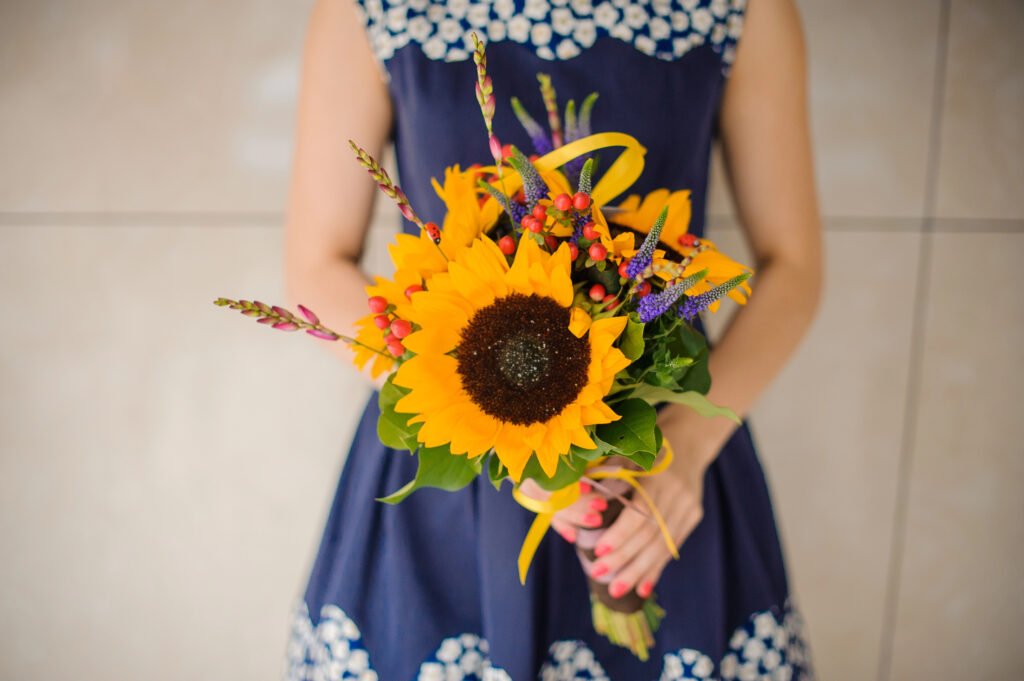
Sunflowers are joyful in a way that’s almost impossible to argue with. Tall, bold, and unapologetically yellow, they represent strength, adoration, and positivity. If someone in your life has been a steady, encouraging presence – the sort of person who shows up when it matters – sunflowers say that rather well.
They’re a natural fit for celebrating achievements and milestones. That upright, sturdy quality isn’t just visual; it’s part of what makes them feel like a fitting tribute to resilience and loyalty. Honestly, it’s hard to give sunflowers and have it go wrong.
Putting It All Together
Choosing a bouquet doesn’t have to be complicated, but thinking about meaning does make it more personal. Roses are the safe choice, and there’s nothing wrong with that – but tulips, lilies, carnations, and all the rest offer something a little different if you want to be more specific about what you’re trying to say.
For Mother’s Day gifts, pink roses, carnations, and lilies are all genuinely good options. Each one reflects something real about care, gratitude, and the kind of love that doesn’t need to announce itself. A mixed bouquet works beautifully too – combining different flowers lets you capture more than one feeling at once, which is often closer to the truth of how we actually feel about people.
If you’re still not sure, let colour guide you. Soft pastels feel gentle and warm. Brighter yellows and oranges feel energetic and celebratory. There’s no wrong answer, really – it’s more about being thoughtful than being correct.
A Final Word
Flowers have this remarkable ability to say things we struggle to put into words ourselves. They’ve been doing it for centuries, and they’re still at it. Once you know a little about what each one means, choosing a bouquet stops feeling like guesswork and starts feeling like a genuine act of communication.
That’s rather a nice thing, when you think about it.