London’s historic landmarks offer families a perfect blend of education and entertainment. The Tower of London stands as one of the city’s most fascinating attractions, with nearly a thousand years of history within its ancient stone walls. From royal prisoners to crown jewels, this fortress on the Thames has stories that captivate visitors of all ages.
Exploring such a major historical site can be overwhelming, especially with children accompanying you. The Tower spans a large area with numerous buildings, exhibitions and centuries of rich history to take in. Many families find that guided tours provide structure and context that helps bring the past to life in ways that self-guided visits might miss.
Making the Most of London’s Royal Heritage with Children
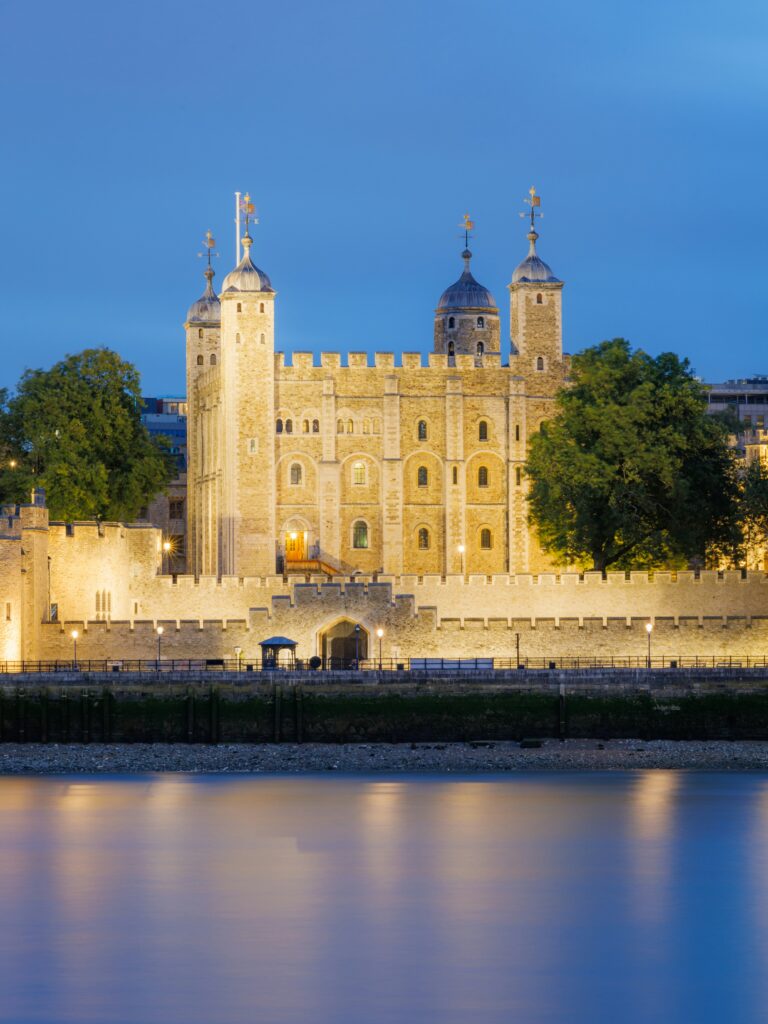
London’s royal history provides many learning opportunities for children. Historic sites make textbooks more engaging, allowing children to walk where kings and queens once stood. Children who struggle with history in the classroom often become interested when standing in places where important events happened.
Families can gain from structured experiences at historic sites. With an experienced guide, children hear stories behind the artefacts explained in ways that encourage curiosity. Guides use visual cues and interactive storytelling so younger visitors connect with the site’s dramatic tales.
Finding the right mix of learning and fun is key to a successful family outing. London’s historic landmarks excel at this balance, with interactive displays and hands-on activities designed for younger visitors. Children can try on replica armour or follow activity trails.
Central London features several family-friendly historic sites located close to each other. Besides the Tower, families can visit the Science Museum, Natural History Museum, and Buckingham Palace. Families can explore the Tower of London on a private guided tour during holiday periods, with activities designed for every age group.
The Tower of London: A Family Adventure Through History
Children are naturally drawn to the Tower’s famous ravens. Legend says if these birds ever leave, the kingdom will fall. The gleaming Crown Jewels also capture young visitors’ attention with their sparkle and grandeur. Children are often surprised these treasures are still used in royal ceremonies today.
The Tower creates exhibits that genuinely engage children. In the White Tower, displays include not just adult armour but also smaller pieces crafted for children. This helps young visitors imagine themselves as part of history, seeing how people their age once lived.
Interactive screens throughout the site allow children to discover stories through games and animations. During school holidays, costumed interpreters act out famous events from Tower history, making complicated events easy to understand.
Younger children can explore the Tower more easily during quieter periods, such as weekday mornings or term-time. Arriving early can minimise queues and make navigating the grounds simpler for families. Staff can recommend routes that work best for families with children of different ages.
Child-Friendly Activities at the Tower
The Yeoman Warder tours are considered among the Tower’s most popular attractions for families. These Beefeaters share dramatic tales of imprisonment and escape with humour that appeals to both adults and children. Tours typically last around forty minutes and provide an excellent overview of the Tower’s history.
The White Tower houses displays that particularly appeal to children. The Royal Armouries collection includes pieces made for royal children. Children love seeing armour their own size and learning that even princes had to practise fighting skills.
Different age groups connect with different aspects of the Tower. Preschoolers enjoy spotting the ravens and watching the colourful guards. Primary school children become absorbed in the stories of famous prisoners and the Crown Jewels.
Beyond the Tower: Creating a Historic London Itinerary
After visiting the Tower, families can easily walk to nearby attractions. Tower Bridge stands just steps away, offering views from its glass floor walkway. The HMS Belfast, a World War II warship moored on the Thames, provides another hands-on history experience with its narrow passageways.
For families with younger children, a half-day plan might include the Tower followed by lunch at St Katharine Docks. This marina area offers restaurants with outdoor seating and space for children to move around.
Several walking routes connect London’s historic sites while avoiding the busiest roads. The Thames Path provides a traffic-free route from the Tower to Westminster, passing Shakespeare’s Globe Theatre and the Tate Modern.
London’s historic areas include surprising amounts of green space where children can burn off energy. Tower Hill has small gardens perfect for short breaks. A short walk west leads to St Dunstan in the East, a bombed church transformed into a secret garden.
Practical Considerations for Families
Cafes inside the Tower of London offer convenient places to rest, though prices tend to be higher. Bringing a packed lunch is practical for those hoping to save money. Trinity Square Gardens, just outside the Tower, provides space and benches suitable for family picnics in fair weather.
Toilet and baby-changing facilities are available throughout the Tower complex. Most major museums and attractions in London now offer excellent family facilities, including dedicated baby-changing rooms.
Accessibility has improved at many historic sites, though some limitations remain due to the age of the buildings. The Tower provides step-free access to many areas, though the White Tower itself requires climbing stairs.
London’s public transport system connects historic sites efficiently. The Tower Hill Underground station serves the Tower of London directly. River boats offer a scenic alternative for travelling between riverside attractions.
Making History Engaging for Different Age Groups
Adults can help children relate to history by matching explanations to their age and interests. For younger children, focusing on concrete details works best. They might not grasp detailed political history, but will remember that ravens eat raw meat or that queens wore heavy crowns.
Preparation before visiting helps children gain more from the experience. Age-appropriate books about the Tower of London or British royalty can fuel their interest. The Tower features in many children’s books, from “Katie in London” for younger children to “Horrible Histories” for older ones.
Simple games keep younger children interested during visits. Spotting games work well in historic settings, identifying colours, shapes, or objects. A scavenger hunt with items to find turns their trip into an adventure.
School-aged children often study the Tudors, Victorians, or World Wars in their curriculum. Visits to historic sites can support this learning, making classroom concepts clear.
Planning Your Visit: Practical Tips for Families
Spring and autumn are often considered to offer a good balance of comfortable weather and manageable crowd levels for family visits. Summer brings the longest opening hours but also the biggest crowds. Winter visits mean shorter queues but reduced daylight hours.
Several money-saving options exist for family tickets. The London Pass includes entry to the Tower and many other attractions for a fixed price. Historic Royal Palaces membership provides unlimited entry to the Tower and other royal sites for a year.
Certain spots at historic landmarks make especially memorable family photos. At the Tower, the iconic White Tower provides a dramatic backdrop. The Traitors’ Gate with its water entrance creates atmospheric images.
Careful preparation leads to a smoother and more enjoyable day. Considering the needs of everyone in the group and preparing for changes in weather can help families make the most of their time together. A well-planned visit turns a historic outing into an enjoyable family memory.