Staying warm indoors shouldn’t be hard—especially when the heating is already on. But in lots of houses, especially older ones, heat escapes way faster than it should. That makes rooms feel colder, bills go higher, and it’s just not comfortable.
Good news is, there are some simple fixes that actually work. They don’t take forever to install, and they don’t mean tearing the house apart. They just stop heat from sneaking out through gaps, thin walls, or old parts of the house that don’t hold warmth well anymore.
Here’s how small changes in the right spots can make a big difference.
Sealing Up the Usual Problem Areas
A lot of heat loss comes from spots most people don’t think about much. Around windows, under doors, and near vents are some of the worst. Even small gaps in these areas can pull out warm air and let in cold drafts.
Weather stripping can help with that. It’s soft foam or rubber that presses into gaps and stops air from slipping through. It’s easy to install and doesn’t cost a lot. Just clean the surface and stick it where the leak is.
For doors, door sweeps or draft stoppers work well. These go right at the bottom and block cold air from creeping in underneath. And for windows that rattle or don’t seal tightly, double glazing or thermal film can be added for extra insulation.
The Spot Most People Miss: The Loft Hatch
One spot that’s often forgotten is right above your head. Loft hatches are basically little doors to the attic, and they’re often made with thin panels that don’t seal properly. That’s bad news for heating because warm air rises—so a badly sealed loft hatch is like having a hole in the ceiling.
Modern insulated loft access hatches solve this problem. They help hold the heat in the rooms below while still giving access when needed. It’s a smart fix that doesn’t just help with comfort—it also keeps the insulation above from getting pushed around or damaged during use.
This kind of hatch usually comes ready to fit and doesn’t need much work to install. Just swap it out, and the difference is pretty noticeable. The space feels warmer, and there’s no weird draft near the ceiling anymore.
Walls That Work Better
Older houses often have solid walls without any insulation inside. That means heat moves through them fast. Even newer homes with cavity walls can lose warmth if there’s no insulation between the layers.
Adding insulation inside walls sounds like a huge job, but there are easier options for some cases. For example, insulated plasterboard can be added on the inside of a room. It takes up a little space, but it traps heat much better than a plain wall.
Another easy option is to use thick curtains or thermal blinds. These don’t actually change the wall, but they create a warmer barrier over windows and large glass surfaces, which are some of the fastest places for heat to escape.
The Floor Matters Too
Heat doesn’t only rise. If floors are cold, that coldness spreads up into the room. In homes with wooden floors or gaps between floorboards, a lot of heat can get pulled down and lost into the space underneath.
Simple rugs or floor mats can help with that. But in bigger areas, underfloor insulation might be worth it. That means putting insulation material between the floor and the space below (like a crawl space or cellar). It’s a one-time job that makes the floor warmer and helps the whole room hold heat longer.
Some people also use insulation boards under new flooring. These work well in rooms where tile or laminate is going in.
Heating That Doesn’t Work Too Hard
Once a house holds heat better, the heating system doesn’t have to run as long or as hot. That’s good for energy use and makes the system last longer, too.
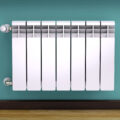
But heating systems can still have weak spots. Radiators that sit under windows or in drafty corners won’t heat a room very well. Moving them, or adding reflector panels behind them, can help push heat back into the room instead of losing it through the wall.
Thermostatic radiator valves are another smart upgrade. They let you set different temperatures in each room, so you’re not wasting heat in areas that don’t need it.
Small Upgrades That Add Up
None of these changes are huge on their own. But together, they make a house way better at holding heat. And that means the heating system gets a break, the bills come down, and the house feels more comfortable—especially during colder months.
It’s not about spending a lot of money. It’s about picking the parts of the house where heat slips out and giving them a quick upgrade that actually sticks. And a lot of these changes can be done in a day or two with basic tools.
Getting Warm Without Getting Complicated
A warm house doesn’t always need a full remodel. Sometimes it just needs smarter parts that do their job better. Fixing leaks around doors and windows, improving the loft hatch, and adding insulation where it matters most can turn a cold space into a cosy one fast.
Even small fixes that take under an hour can help. And when they’re all working together, the house just stays warmer with less effort.
If everything feels like it’s working harder than it should, it might just mean some key areas are letting heat out. Fixing those first gives the best results—and makes every other upgrade work better too.